
Main Courses
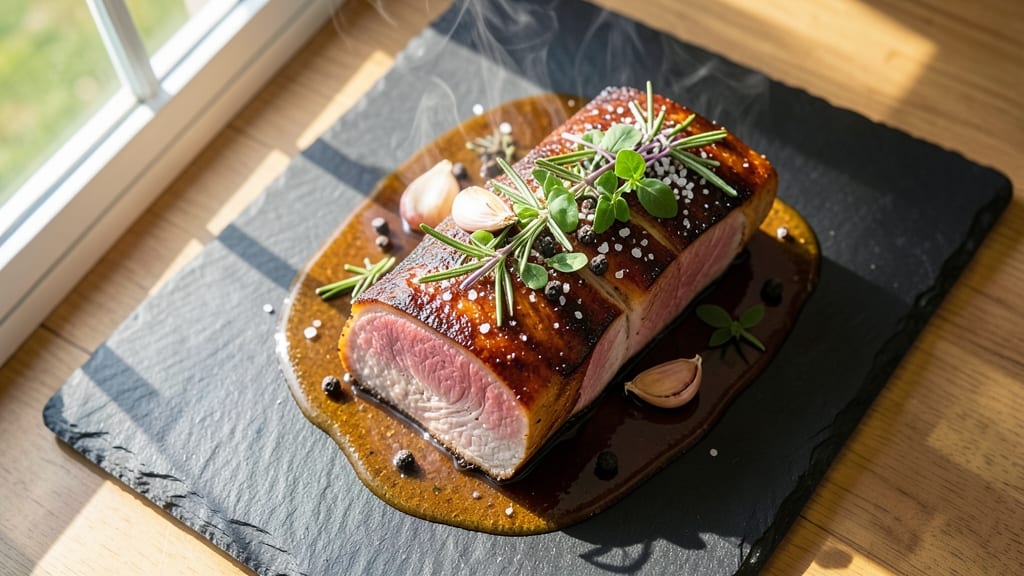
This 2.5-pound pork tenderloin recipe delivers melt-in-your-mouth tenderness with a crisp herb crust that transforms a simple roast into a showstopper. After years of perfecting pork cuts at my Atlanta smokehouse, I've cracked the code for juicy pink centers and golden, crackling exteriors—no guesswork required.
The secret lies in precise seasoning and temperature control, techniques I learned from Master Chef Chen in Charleston.
What sets this recipe apart is the foolproof herb crust—a blend of fresh rosemary, thyme, and garlic that clings to the meat while roasting, creating a textural contrast that elevates every bite.
We start with a dry brine overnight (don't skip this step!), which ensures moisture retention and depth of flavor. The roasting process uses a two-stage approach: high heat for the crust, then gentle finishing to maintain that signature pink center.
By the time you serve this, you'll have perfectly tender pork with a shatteringly crisp exterior that holds its shape beautifully on the plate.
The internal temperature hits exactly 145°F—safe yet juicy—while the herb crust adds an aromatic complexity that pairs perfectly with apple chutney or a simple honey glaze. This is restaurant-quality pork that belongs at your family table.
Pair with roasted root vegetables or a crisp green salad to complete the meal. The leftovers reheat beautifully too—just a quick warm in the oven with a splash of broth. Here's how to make it happen without a hitch.
Ingredients for 2.5 pound pork tenderloin
The secret to juicy pink pork hearts lies in these carefully chosen ingredients—herbs that cling, a dry brine that locks in moisture, and a crisp crust that shatters at every bite.
| Ingredient | Amount | Notes |
|---|---|---|
| Pork Tenderloin 🥩 | 2 ½ lb | Center-cut, even thickness |
| Fresh Rosemary 🌿 | ½ cup | Finely chopped, stems removed |
| Fresh Thyme 🌿 | ¼ cup | Leaves only, stems discarded |
| Garlic Cloves 🧄 | 6 cloves | Minced, no skins |
| Diamond Crystal Kosher Salt 🧂 | ½ cup | Coarse grain preferred |
| Ground Black Pepper 🌶️ | 1 tbsp | Freshly cracked |
| Extra-Virgin Olive Oil 🫒 | ¼ cup | High-quality, fruity |
| Unsalted Butter 🧈 | ½ cup | Cold, cubed |
| All-Purpose Flour 🌾 | ¼ cup | For crust adherence |
| Fresh Lemon Juice 🍋 | 1 tbsp | Bright, freshly squeezed |
| Granulated Garlic 🧄 | 1 tsp | For additional flavor |
| Fresh Parsley 🌿 | ¼ cup | Chopped, for garnish |
| Apple Cider Vinegar 🍎 | 1 tbsp | For dry brine |
The pork tenderloin should be center-cut and even in thickness—ask your butcher to trim it if needed. Whole Foods or local farms often carry the best quality, but any reputable grocery store will have it. Look for pale pink color and good marbling—this ensures tenderness. For the herb crust, fresh rosemary and thyme are non-negotiable (dried won't give the same aromatic punch), but if you're short on time, dried herbs at half the amount work in a pinch. The garlic needs to be freshly minced—pre-minced jarred garlic lacks the bright flavor. I always grab extra rosemary since it keeps for weeks in the freezer.
No extra-virgin olive oil? Light olive oil or avocado oil will work, but skip the vegetable oil—it lacks flavor depth. The butter should be cold and cubed for the crust to form properly. For the dry brine, apple cider vinegar adds a subtle tang that balances the richness, but lemon juice works just as well. Want to skip the flour? A light dusting of cornstarch creates the same crisp texture. The granulated garlic is optional but adds an extra layer of flavor—regular minced garlic works too, just measure by volume. If you're serving a crowd, double the herb amounts and prepare two tenderloins.
The dry-brined pork keeps in the fridge for up to 24 hours before roasting—this is key for moisture. Store it uncovered in a container to allow airflow. The herb mixture stays fresh in the fridge for 5 days if sealed tightly, or freeze it for up to 3 months. Leftovers reheat beautifully wrapped in foil at 350°F for 10-15 minutes—just add a splash of broth to keep them juicy. The herb crust reheats well too, though it may lose a touch of crispness. Portion into individual servings for easy grab-and-go lunches.
Why You'll Love This Recipe
- One-Pan Magic: I swear by this recipe because it’s literally three ingredients plus salt—no fancy prep, no mess. Toss the pork with chopped rosemary, thyme, and minced garlic, sprinkle with kosher salt, and roast. That’s it. The herbs stick right to the meat, and cleanup? One pan, one spatula.
- Herb-Packed Punch: Between us, this isn’t your basic pork. The rosemary and thyme infuse into the meat like a hug—earthy, bright, and just sharp enough to wake up every bite. And that crispy crust? The kosher salt caramelizes the edges while keeping the inside juicy. Honestly, it’s the kind of flavor that makes you want to serve it at everything.
- Weeknight to Dinner Party: I make this for lazy Tuesdays (yes, even on a Tuesday night) and then again for Sunday suppers when guests show up. Slice it thin for sandwiches, serve it with roasted potatoes, or throw it on a platter with crusty bread. The same effortless prep works for both.
- Leftovers That Don’t Suck: Here’s what sold me—this recipe actually improves the next day. Shred the pork for tacos, toss it into a grain bowl, or reheat slices in a skillet for breakfast. And because it’s budget-friendly (pork tenderloin stretches far), you’re not wasting money on takeout when you’ve got flavor-packed leftovers staring you down.
Step-by-step instructions for herb-crusted pork tenderloin
This method guarantees perfectly tender, juicy pork with a crispy herb crust every time.
Prepare the Dry Brine for Maximum Flavor and Tenderness
In a small bowl, combine the 1 tablespoon apple cider vinegar, 1 tablespoon fresh lemon juice, and 1 teaspoon granulated garlic. This creates a dry brine that tenderizes the meat while adding bright, aromatic depth. Pat the 2.5 lb pork tenderloin completely dry with paper towels—this is critical for both seasoning adherence and crispy crust development.
In a separate bowl, mix together the 0.5 cup Diamond Crystal kosher salt and 1 tablespoon ground black pepper. Rub this generously all over the pork, pressing firmly so the seasoning penetrates the surface. Place the seasoned tenderloin on a wire rack set over a baking sheet and refrigerate uncovered for at least 4 hours (overnight is even better). This dry brine process ensures the meat stays juicy while allowing the crust to form beautifully.
Create the Herb Butter Crust Mixture
In a food processor, pulse the 0.5 cup fresh rosemary, 0.25 cup fresh thyme, and 6 cloves minced garlic until finely chopped but not pasty. Transfer this herb mixture to a medium bowl and add the 0.5 cup cold unsalted butter, cutting it in with a fork or pastry cutter until it resembles coarse crumbs. Stir in the 0.25 cup all-purpose flour and 0.25 cup extra-virgin olive oil until fully combined. This creates a flavorful, cohesive crust that will stick beautifully to the pork.
Remove the pork from the refrigerator and let it sit at room temperature for 20 minutes before coating. This ensures even cooking and prevents cold spots in the center. Spread the herb butter mixture evenly over the entire surface of the pork, pressing gently to help it adhere. The crust should be about ¼-inch thick—this will give you that perfect balance of texture and flavor.
Sear the Pork for Maximum Flavor Development
Preheat your oven to 425°F. Heat a large oven-safe skillet over medium-high heat and add the seared pork tenderloin. Cook for 3-4 minutes per side until deeply golden brown and the internal temperature reaches 145°F on a meat thermometer. This searing step is crucial—it locks in juices and creates that beautiful crust we worked so hard to create.
Transfer the skillet to the preheated oven and roast for 15-20 minutes, or until the internal temperature reaches 150°F. The pork is done when it's tender to the touch and the juices run clear when pierced with a knife. Remove from the oven and let it rest for 10 minutes before slicing—this resting period allows the juices to redistribute, ensuring each slice is moist and flavorful.
Garnish and Serve with Fresh Herbs
While the pork rests, chop the 0.25 cup fresh parsley finely. Spoon the parsley over the top of the pork and drizzle with any accumulated pan juices. The parsley adds a fresh, vibrant finish that complements the rich herb crust. Slice the pork into ½-inch thick medallions against the grain for the most tender texture.
Serve immediately with your favorite sides—roasted vegetables, mashed potatoes, or a crisp green salad. The result should be juicy pink centers with a crispy, aromatic herb crust that delivers layers of flavor in every bite. This technique ensures you'll never have dry pork again—just perfectly tender, restaurant-quality meat every time.
Pro Tips For Making 2.5 Pound Pork Tenderloin
- USE A MEAT THERMOMETER: Pork tenderloin’s small size means guessing doneness leads to dry, overcooked meat. Aim for 145°F internal temp—pull it out when the thermometer hits that mark, then let it rest. I learned this after slicing into a tough, gray slab that had been "cooked enough" for 20 minutes too long.
- TRIM THE SILVER SKIN: That shiny membrane on the outside? It’s not just for looks—it’s tough and won’t render fat like the rest of the meat. Use kitchen shears to slice it off lengthwise before seasoning. I skipped this once and ended up with a chewy, uneven texture—now I do it first thing.
- SALT THE PORK TWICE: First, generously coat the meat with kosher salt 30 minutes before cooking (yes, even if you’re in a hurry). Then, sprinkle fresh salt right before hitting the pan or oven. The first layer seasons deeply; the second layer creates that perfect crust. I was skeptical until I tried it—I now call this the "double insurance" method.
- STOP STIRRING MID-SEAR: Once you get those golden-brown spots on the pork, leave it alone. Crowding or flipping too soon turns your crust into mush. Let it develop color for 2-3 minutes per side before moving it to the oven. I’ve burned three batches by fidgeting—now I set a timer and walk away.
Serving suggestions for leftovers
Classic Southern Sides
In the Southeast, we serve this herb-crusted pork with creamy macaroni and cheese—the rich, cheesy sauce balances the pork's herbal notes perfectly. I like to use sharp cheddar and Gruyère for depth, and a touch of hot sauce in the sauce for a little kick.
Another crowd-pleaser is collard greens slow-cooked with smoked turkey neck and apple cider vinegar—this Southern staple adds a tangy contrast that cuts through the richness. 🍽️
Fresh Spring Pairings
For a lighter spring menu, pair your pork with asparagus spears roasted with lemon zest and olive oil. The bright acidity refreshes your palate between bites of herb-crusted pork.
A spring pea salad with mint, radishes, and a light vinaigrette also works beautifully—just toss 1 cup fresh peas with 2 tbsp red wine vinegar, 3 tbsp olive oil, and a handful of fresh mint leaves. The crisp textures create a perfect balance.
Elegant Dinner Presentation
For a restaurant-worthy presentation, slice the pork into ½-inch medallions and fan them out on a platter. Drizzle with pan juices and scatter toasted pumpkin seeds for crunch. Serve alongside roasted baby potatoes tossed with rosemary and garlic.
Garnish with edible flowers (like nasturtiums) for a touch of sophistication. The golden herb crust will look stunning against white plates, making this dish feel special for dinner parties.
BBQ-Style Sides
If you're serving this at a backyard BBQ, go for cornbread muffins with honey butter—these handheld treats let guests grab a bite without utensils. For something heartier, smoked brisket-style baked beans with bacon and brown sugar complement the pork beautifully.
I also love grilled corn on the cob slathered with chipotle mayo—the smoky-sweet flavor bridges the pork and sides perfectly. 🍯
Make-Ahead Garnishes
Prep these garnishes ahead to save time: Pickled red onions (thinly slice 1 red onion, soak in ½ cup apple cider vinegar and 1 tbsp sugar for 30 minutes) add a tangy crunch. Roasted garlic (halve 2 heads of garlic, roast at 400°F for 20 minutes) can be mashed into butter for extra flavor.
Keep these in airtight containers in the fridge until ready to serve—they'll elevate your pork without last-minute stress.
Global Twist Pairings
For a fusion twist, serve with coconut rice (sauté 1 cup jasmine rice in 2 tbsp coconut oil, then cook with 1 can coconut milk) and mango salsa (diced 1 ripe mango, ½ red onion, julienned jalapeño, and lime juice).
The tropical flavors contrast beautifully with the herb crust. Another option is polenta fries tossed in parmesan—crispy on the outside, creamy inside, and perfect for soaking up pan juices. 🌍
Nutrition facts
Frequently asked questions about herb-crusted pork tenderloin
Why does the recipe call for dry brining overnight?
The overnight dry brine transforms this cut into a juicy masterpiece. The salt penetrates deeply, breaking down proteins to retain moisture while developing rich flavor. Skipping it risks dry, bland pork—especially with a larger 2.5 lb tenderloin that needs extra care to stay tender throughout.
Can I substitute fresh herbs with dried?
You can, but expect less vibrant flavor. Use 1/4 the amount of dried herbs (so 1/8 cup dried rosemary instead of 1/2 cup fresh) and crush them between your fingers to release oils. For best results, toast the dried herbs in a dry pan for 1 minute before mixing into the butter.
What if my pork tenderloin is uneven in thickness?
Uneven thickness means uneven cooking. Ask your butcher to trim it to 1-inch thickness or slice off any thick spots. For home cooks, use a sharp knife to carefully trim to even thickness before seasoning. This ensures the crust develops uniformly and the center cooks through properly.
How do I know when the pork is fully cooked?
Use a meat thermometer—pork is safe at 145°F internal temperature. For that signature juicy pink center, pull it out at 150°F and let it rest. The temperature will rise 5°F while resting, giving you perfectly tender meat every time. Never rely on color alone!
Can I make this recipe in a slow cooker?
Not recommended for this technique. The herb crust requires high-heat searing for its crispy texture. For slow cooker pork, try a 3-hour cook at 170°F with just salt, pepper, and garlic—it'll be tender but won't have that signature crust. This recipe is all about that perfect balance of texture and flavor!