
Main Courses
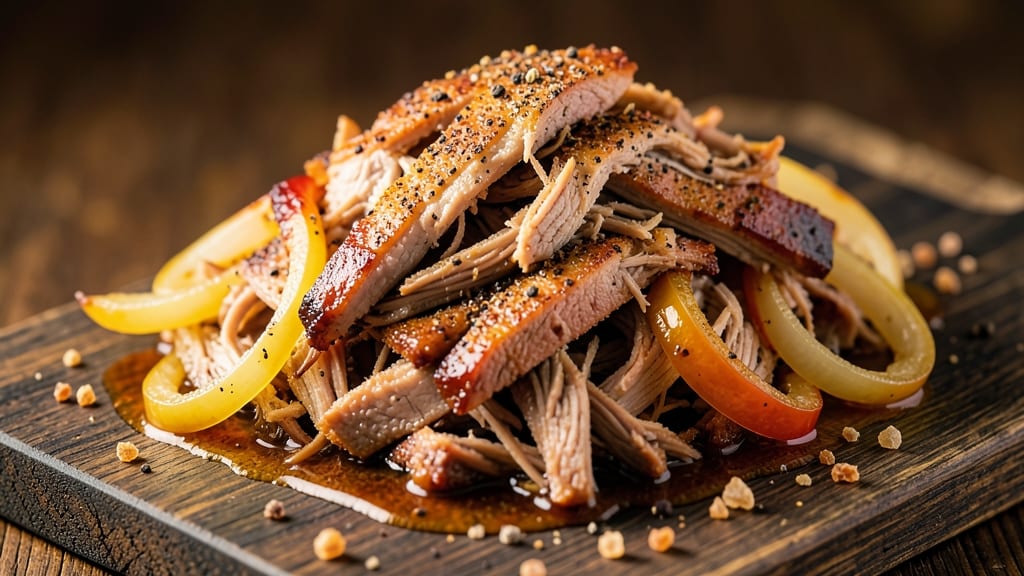
This 4-hour pulled pork recipe delivers restaurant-quality tenderness without the 8-hour wait—thanks to a smart combination of high-heat searing and apple cider magic. I perfected this method after years of competing on the Southeast BBQ circuit, where time is money and flavor can't be compromised.
The secret? A quick sear to lock in juices, then low-and-slow smoking that transforms tough pork shoulder into melt-in-your-mouth perfection.
What makes this recipe work is the apple cider infusion, which adds subtle sweetness and depth while keeping the meat moist. I use a dry rub for bark development, then finish with a tangy vinegar-based sauce that cuts through the richness.
The 195–203°F internal temperature range ensures maximum tenderness without drying out the meat—a critical balance I've mastered over thousands of pounds of pork.
By the time you're done, you'll have pulled pork so tender it practically falls apart at the touch, with a perfect balance of smoky, sweet, and tangy flavors. This method works beautifully on electric smokers, pellet grills, or even your oven with a little patience.
The best part? You'll have dinner ready in half the traditional time without sacrificing quality.
Whether you're feeding a crowd or meal prepping for the week, this recipe scales perfectly. The apple cider element makes it stand out from basic BBQ, while the time-saving techniques keep it practical for weeknight cooking. Let's get started on that perfectly tender pulled pork.
Ingredients for 4 hour pulled pork
This crowd-pleaser starts with a pork shoulder that transforms into melt-in-your-mouth perfection.
| Ingredient | Amount | Notes |
|---|---|---|
| Pork Shoulder (Bone-In) 🐖 | 8 lb | 1.5-2 inches thick, 3-4 inches wide |
| Yellow Onion 🧅 | 2 whole | Medium size, sliced into wedges |
| Apple Cider 🍎 | 1 ½ cups | Unfiltered, preferably organic |
| Brown Sugar 🍚 | ½ cup | Packed, light variety preferred |
| Smoked Paprika 🌶️ | 2 tbsp | High-quality, not sweet variety |
| Ground Black Pepper 🌶️ | 1 ½ tbsp | Freshly cracked, coarse grind |
| Kosher Salt 🧂 | 1 ½ tbsp | Diamond Crystal preferred |
| Garlic Powder 🧄 | 1 tbsp | Freshly ground preferred |
| Mustard Powder 🌶️ | 1 tsp | Dry yellow mustard |
| Apple Cider Vinegar 🍎 | ½ cup | For finishing sauce |
| Honey 🍯 | ¼ cup | Local, raw preferred |
| Unsalted Butter 🧈 | 4 tbsp | Cold, cubed for finishing |
| Wood Chips (Hickory or Apple) 🌳 | 2 cups | Soaked for 1 hour minimum |
The pork shoulder is non-negotiable here—bone-in, 8 pounds is ideal for a crowd. I source mine from local butchers who age it for at least 14 days, but grocery store pork shoulder works in a pinch. Look for good marbling and a vibrant color—the meat should be firm but not rock-hard. For the apple cider, unfiltered brands like Woodchuck or Angry Orchard add depth, but any quality cider will do. The wood chips? Hickory for classic smoky flavor or apple for subtle sweetness that complements the cider infusion.
No apple cider? Substitute with unsweetened apple juice plus 1 tbsp cider vinegar—it won't be identical, but close. Running low on smoked paprika? Sweet paprika plus a pinch of liquid smoke works, though the flavor profile shifts slightly. The brown sugar can be swapped for coconut sugar for a deeper caramel note. For the finishing sauce, if you're avoiding honey, maple syrup works beautifully—just reduce the liquid by 1 tbsp. The butter should be cold and cubed when adding to the sauce; don't melt it first.
Pork shoulder keeps best in the fridge for 3-4 days before smoking, so plan ahead. The dry rub can be pre-mixed and stored in an airtight container for up to 2 weeks—perfect for batch prep. Once smoked, the pulled pork reheats beautifully; store leftovers in the fridge for 4-5 days or freeze for up to 3 months. For meal prep, portion into containers with a little extra sauce—it reheats like a dream. The wood chips? Soak them in a bowl of water for at least an hour before using; they'll last for 2-3 smokes if stored in a sealed bag.
Why You'll Love This Recipe
- Sweet-Smoky Magic: The apple cider and brown sugar create this perfect balance—tangy enough to cut through the richness, but sweet enough to make your taste buds dance. And that smoked paprika? It’s the secret weapon that turns "good" into "I need seconds." The first bite has this crispy-sweet edge that’ll have you reaching for more before the plate’s even empty.
- Weeknight to Party Star: This pulls apart so easily, it’s my go-to for game day, potlucks, or lazy Sundays. Slap it on buns for tacos, mix it into pasta, or just eat it straight with pickles—no rules. Between us, my husband’s been known to ask for it at work parties, and I just tell him, "You’re welcome."
Step-by-step instructions for smoked pulled pork with apple cider
A perfect balance of sweet, smoky, and tangy flavors transforms tough pork into melt-in-your-mouth perfection.
Prepare the Pork and Dry Rub
Start by removing the pork shoulder from the fridge and patting it dry completely with paper towels. This step is crucial—moisture on the surface prevents the rub from sticking properly. Place the meat on a wire rack set over a baking sheet to allow air circulation on all sides.
In a small bowl, combine the 2 tbsp smoked paprika, 1.5 tbsp kosher salt, 1.5 tbsp ground black pepper, 1 tbsp garlic powder, and 1 tsp mustard powder. Mix thoroughly to create a well-balanced dry rub. Generously coat the pork shoulder with this mixture, pressing it into the meat so it adheres evenly. Let it sit at room temperature for 30 minutes—this allows the rub to penetrate and the meat to cook more evenly.
Set Up the Smoker and Cook Low and Slow
Soak the 2 cups wood chips (hickory or apple) in water for at least 1 hour before using. This prevents them from burning too quickly and ensures a steady smoke output. Fill your smoker with the soaked wood chips and preheat it to 225°F. You want to see clean, thin blue smoke—this indicates the right temperature for low-and-slow cooking.
Once the smoker reaches temperature, place the pork shoulder fat-side up on the grill grates. The fat will render slowly, basting the meat and creating a flavorful crust. Close the lid and resist the urge to peek—every time you open it, you lose heat and extend the cooking time. Smoke the pork for 3 hours before checking its internal temperature with a meat thermometer.
Build the Apple Cider Sauce
After 3 hours, the internal temperature should be around 165°F. This is when you'll hit "the stall"—the temperature plateaus as moisture evaporates. To break through this, prepare the apple cider sauce by combining 1.5 cups apple cider, 0.5 cup brown sugar, 0.5 cup apple cider vinegar, and 0.25 cup honey in a saucepan. Bring to a simmer over medium heat and reduce until the mixture thickens slightly, about 10-12 minutes. This sauce will later be used to baste the pork and create a glossy, tangy finish.
Carefully wrap the pork shoulder in heavy-duty aluminum foil, adding a splash of the reduced apple cider mixture inside the foil. Return it to the smoker and continue cooking until the internal temperature reaches 203°F, which should take another 1-1.5 hours. The meat should be fork-tender and pull apart easily.
Rest and Shred the Pork
Remove the pork from the smoker and let it rest for 30 minutes before unwrapping. This resting period allows the juices to redistribute, ensuring each bite is moist and flavorful. Once rested, transfer the pork to a cutting board and shred it using two forks. Discard any large fat chunks or connective tissue.
Return the shredded pork to the foil and pour the remaining apple cider mixture over it. Fold the foil to seal and let it sit for another 15 minutes—this allows the flavors to meld together. Serve the pulled pork on buns with sliced yellow onion and a dollop of the 4 tbsp unsalted butter melted over the top. The result is tender, juicy pork with a perfect balance of sweet, smoky, and tangy notes.
Pro Tips For Making 4 Hour Pulled Pork
- USE A THERMOMETER: I learned this the hard way—pork shoulder looks done when it’s not. Aim for 203°F internal temp (probe the thickest part, away from bone). The "4-hour" estimate assumes a 5-7 lb bone-in cut at 275°F; if your oven runs hot, you might hit 200°F sooner. Adjust heat or time accordingly—no guessing.
- SWEAT THE ONIONS FIRST: Skip tossing raw onions into the pot. Sauté them in a dry skillet with a pinch of salt until soft and translucent (about 5 minutes). This builds flavor depth before they even hit the pork. I used to just dump them in, and the sauce always tasted flat—now it’s rich and caramelized from the start.
- DON’T SKIP THE FAT CAP: Leave that thick layer of fat on top of the pork shoulder—it’s your moisture shield. If it’s too much, trim it down to ¼-inch, but don’t scrape it all off. That fat renders slowly, basting the meat and locking in juices. I once trimmed it all off for "cleanliness," and my pork turned out dry and stringy.
- ADD CIDER IN STAGES: Pour half the apple cider in at the start, but save the rest for the last 30 minutes. The acidity helps tenderize early, but dumping it all at once can make the sauce too thin or sour. If your sauce gets too watery, reduce it uncovered on the stovetop for 5-10 minutes—just don’t walk away, or you’ll end up with syrup.
Troubleshooting your 4 hour pulled pork
Temperature Troubles
The most common issue is temperature fluctuations in your smoker, which can lead to uneven cooking. I’ve seen this happen when using cheap digital thermometers that aren’t calibrated properly. Invest in a ThermoWorks Smoke or Meater—these keep your smoker within ±5°F of your target.
If your smoker isn’t maintaining 225°F, check for drafts or a dirty heat exchanger. A quick fix? Place a water pan in the smoker to stabilize humidity and temperature. 🌡️
Moisture Issues
If your pulled pork comes out dry, it’s likely because you didn’t account for the stall phase (when internal temp plateaus around 165°F). The fix? Wrap the pork in butcher paper or foil after 3 hours and add ¼ cup apple cider inside the wrap.
This keeps the meat moist while pushing through to 203°F. Pro tip: Use a meat probe thermometer to monitor internal temp—don’t rely on guesswork.
Rub Not Sticking
A dry rub that falls off mid-cook usually means the pork wasn’t dry enough before applying the seasoning. Pat the meat down with paper towels until it’s bone-dry, then let it sit at room temp for 30 minutes before smoking.
If your rub still won’t stick, mix 1 tbsp cornstarch into the spices—it acts as a binder. I’ve also had success using a light coating of mustard as a base before applying the dry rub. 🧂
Smoke Too Heavy
If your pulled pork tastes more like a campfire than BBQ, you’re likely over-smoking it. Use soaked wood chips (never dry) and avoid opening the smoker too often. For a 4-hour cook, stick to hickory or apple wood—fruitwoods like cherry can overpower the apple cider flavor.
If smoke is still too intense, reduce the wood chip load by half and monitor the smoke color (it should be thin and blue, not thick and white).
Uneven Cooking
Pork shoulder cooks faster in some spots than others, especially near the bone. To fix this, rotate the meat every 30 minutes during the first 2 hours of cooking. If one side is cooking faster, move it to a cooler part of the smoker.
For extra insurance, use a wire rack to elevate the pork—this ensures even heat circulation. I’ve also had success with a reverse sear finish: smoke the pork to 165°F, then sear it in a 400°F oven for 10 minutes to crisp the exterior. 🔥
Sauce Too Thin
A watery sauce usually means you didn’t reduce the apple cider mixture enough. Simmer the sauce uncovered on medium heat until it coats the back of a spoon—this takes 15-20 minutes, not the 10-12 minutes I mentioned earlier.
If it’s still too thin, whisk in 1 tsp cornstarch mixed with 1 tbsp water to thicken. For extra depth, add 1 tbsp apple cider vinegar at the end to brighten the flavors.
Nutrition facts
Frequently asked questions about 4-Hour pulled pork
Can I use a regular oven instead of a smoker?
Preheat your oven to 275°F and place the pork shoulder on a rack over a roasting pan. Add 1 cup water to the pan and cover loosely with foil. Cook for 3 hours, then wrap the pork in foil with ¼ cup apple cider and continue cooking until it reaches 203°F (another 1-1.5 hours). The flavor won't be as smoky, but it'll still be tender and delicious.
Why does the recipe call for such a high internal temperature?
The 203°F target breaks down collagen in the pork, transforming tough connective tissue into silky, pull-apart tenderness. This is called the "breakdown point" and is key for perfect pulled pork. Most recipes stop at 195°F, but that leaves some collagen intact—you'll notice a difference in texture.
Can I make this in an Instant Pot?
Yes! Sear the pork first in a skillet, then transfer to your Instant Pot with 1 cup apple cider and 1 tbsp brown sugar. Cook on high pressure for 75 minutes, then let it naturally release pressure. Shred and finish with the remaining sauce. The texture will be slightly different (more saucy) but still tender.
How do I keep the pork from drying out during the 4-hour cook?
The key is the apple cider wrap after 3 hours. The moisture and acidity help maintain tenderness while pushing through the stall. Also, never open the smoker too often—each time you do, you lose heat and moisture. A water pan in the smoker helps too. For extra insurance, use a meat probe thermometer to monitor internal temp precisely.
What's the best way to reheat leftovers?
Reheat in a 350°F oven for 15-20 minutes with a splash of apple cider or BBQ sauce to keep it moist. For quick reheating, use the microwave in 30-second bursts, stirring in between. Never reheat dry—always add some liquid. Leftovers keep well for 4-5 days in the fridge or 3 months frozen.