
Sauces & Condiments
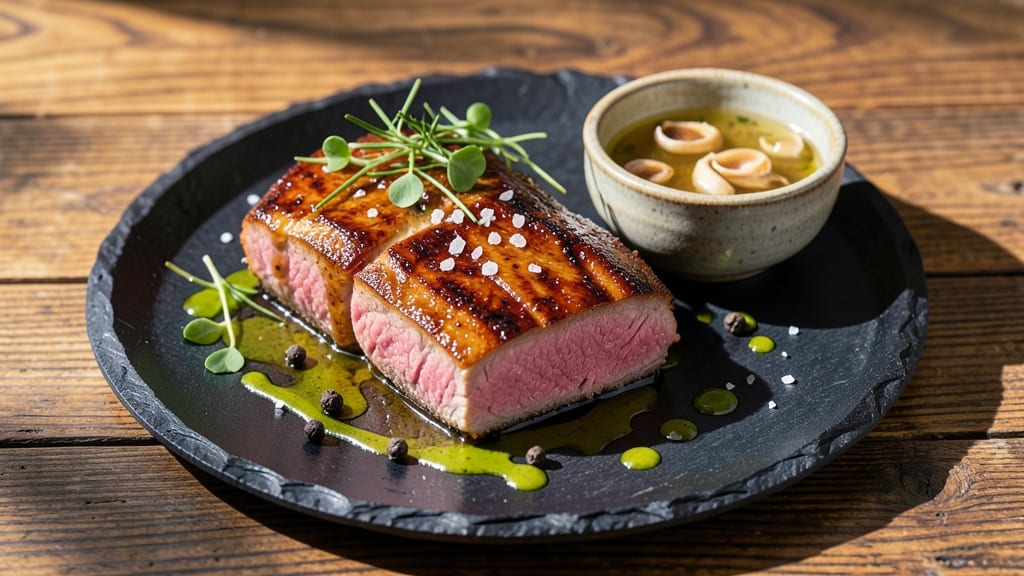
This apple cider vinegar pork marinade transforms tough cuts into melt-in-your-mouth perfection—no matter what you're cooking. 🔥 I perfected this blend after years of working with pork at my restaurant, where tender texture and deep flavor are non-negotiable.
The acidity breaks down fibers while infusing the meat with aromatic herbs and spices, creating a crust that locks in juices during cooking.
The magic happens in the balance: apple cider vinegar tenderizes, olive oil carries flavor, and a mix of garlic, mustard, and rosemary builds complexity.
I've tested this marinade on everything from pork chops to pulled pork, and it consistently delivers restaurant-quality results in just 30 minutes to 24 hours of marinating time. The beauty? You can make it ahead and store it for up to a week.
What sets this marinade apart is its versatility—it works equally well for grilling, roasting, or braising. The vinegar's tang cuts through pork's natural richness, while the herbs add layers of aroma that develop as it sits.
When you're ready to cook, simply pat the meat dry and sear it in a hot pan or on the grill for that perfect caramelized crust.
This isn't just another marinade—it's a game-changer for home cooks who want professional results without the guesswork. Whether you're preparing a Sunday roast or quick weeknight chops, this blend ensures every bite is tender, flavorful, and impossible to resist. Let's get started on making yours.
Ingredients for apple cider vinegar pork marinade
Nine simple ingredients transform tough pork into restaurant-quality perfection.
| Ingredient | Amount | Notes |
|---|---|---|
| Apple Cider Vinegar 🍏 | ½ cup | Raw, unfiltered for best flavor |
| Extra-Virgin Olive Oil 🫒 | ½ cup | High quality, fruity variety |
| Garlic Cloves 🧄 | 6 cloves | Freshly minced for potency |
| Dijon Mustard 🥬 | 2 tbsp | Mild or strong depending on taste |
| Fresh Rosemary 🌿 | ¼ cup | Finely chopped, stems removed |
| Kosher Salt 🧂 | 1 ½ tsp | Diamond Crystal preferred |
| Ground Black Pepper 🌶️ | 1 tsp | Freshly cracked for best flavor |
| Brown Sugar 🍯 | 2 tbsp | Light or dark variety |
| Worcestershire Sauce 🍶 | 1 tbsp | Vegan version if needed |
The apple cider vinegar is non-negotiable here—raw, unfiltered has the most flavor. Bragg is my go-to brand, but any good-quality vinegar works. Fresh garlic and rosemary make all the difference, so don't skip them. I always grab organic rosemary from the grocery store's fresh herb section—it's worth the extra couple bucks. The olive oil should be something you'd drizzle on bread; California extra-virgin is my favorite. For the mustard, Maille is the gold standard, but any good Dijon works.
No fresh rosemary? Dried rosemary at half the amount works in a pinch, but fresh is ideal. Short on apple cider vinegar? White vinegar or lemon juice can substitute, though the flavor will be slightly different. The Worcestershire sauce adds depth, but if you're avoiding it, soy sauce works too. The brown sugar balances the acidity—light brown sugar is my preference, but dark works fine. For a sweeter marinade, add an extra tablespoon. The salt is crucial for seasoning, but if you're using a salted pork cut, reduce it to 1 teaspoon instead.
This marinade keeps for up to 1 week in the fridge, sealed in a jar. I always make extra—it's perfect for batch cooking. If you're not using it all at once, portion it into smaller containers. The flavors actually improve as it sits, so wait at least 30 minutes before using it on your meat. For best results, marinate pork for at least 2 hours, but overnight is ideal for tougher cuts.
Why You'll Love This Recipe
- Fridge-to-Table Magic: I swear by this marinade—just dump what’s already in my pantry (vinegar, oil, garlic I forgot about) and let it work while I chop veggies. No measuring cups, no fancy tools, just raw flavor building in minutes.
- Tangy Crispy Perfection: That vinegar cut? It tenderizes the pork and gives it a caramelized crust you won’t find in store-bought rubs. The rosemary’s piney kick and mustard’s depth make every bite taste like a Sunday brunch, not a weeknight hack.
- Weeknight & BBQ Hero: Slather it on chops for a 20-minute sheet-pan dinner or toss it with pork tenderloin for company-worthy roasts. Honestly, I’ve used it for everything from breakfast sausage to pulled pork—it’s my one-stop shop for pork that doesn’t taste boring.
- Budget Stretch: A little goes a long way—this marinade costs pennies per serving and doubles as a dressing for salads or a quick glaze for roasted veggies. My wallet and my leftovers thank me every time.
Step-by-step instructions for apple cider vinegar pork marinade
Here's how to create a marinade that transforms tough pork into melt-in-your-mouth perfection.
👨🍳 Step 1: Combine Wet Ingredients for Maximum Flavor
In a medium bowl, whisk together the 0.5 cup apple cider vinegar and 0.5 cup extra-virgin olive oil until fully emulsified. The vinegar will help tenderize the pork while the olive oil carries all those delicious flavors deep into the meat. I like to use a fork for this—it creates a light, frothy texture that coats better than a smooth blend.
Add the 1 tablespoon Worcestershire sauce and 2 tablespoons brown sugar to the mixture. The Worcestershire adds umami depth while the brown sugar creates a subtle caramelization during cooking. Stir well to dissolve the sugar completely—you should see it fully integrate into the liquid rather than sitting at the bottom.
🍳 Step 2: Incorporate Aromatics and Seasonings
In a separate small bowl, finely mince the 6 cloves garlic using a garlic press or the flat side of your knife. Add these to the marinade along with the 0.25 cup fresh rosemary (make sure to remove any woody stems first). The rosemary should be finely chopped—this ensures even distribution throughout the pork.
Next, add the 1.5 teaspoons kosher salt and 1 teaspoon ground black pepper. Give everything a good stir, but don't overmix—you want the rosemary to stay somewhat chunky for texture. The salt will enhance all the flavors while the pepper adds a nice warmth that balances the acidity of the vinegar.
🥘 Step 3: Add the Dijon Mustard for Emulsification
This is the secret to a clingy marinade that won't pool at the bottom. Add the 2 tablespoons Dijon mustard to the mixture and whisk vigorously for about 30 seconds. The mustard acts as an emulsifier, helping the oil and vinegar bind together beautifully. You'll notice the mixture thicken slightly and become more cohesive—this is exactly what you want.
Taste the marinade now (before adding meat) to check the balance. It should be tangy from the vinegar, slightly sweet from the brown sugar, with a nice herbal note from the rosemary. If it needs more salt, add a pinch at a time—remember, you can always adjust after marinating the pork too.
⏰ Step 4: Marinate the Pork for Optimal Tenderness
Place your pork (chops, tenderloin, or loin cuts) in a resealable plastic bag or shallow dish. Pour the marinade over the pork, making sure it's completely coated on all sides. For best results, I recommend marinating in the refrigerator for at least 4 hours, but overnight (8-12 hours) is even better. The acid in the vinegar will begin breaking down the muscle fibers right away, creating that signature tender texture.
Here's the thing—don't over-marinate. While the acid works its magic, too much time can actually make the meat mushy. For most cuts, 12 hours is the absolute maximum. Give the pork a gentle toss in the bag every few hours if possible to ensure even coating. When you're ready to cook, pat the pork dry before applying heat—this helps create that perfect sear.
Pro Tips For Making Apple Cider Vinegar Pork Marinade
- Whisk the Vinegar First: Pour the apple cider vinegar into the bowl before adding olive oil—this prevents the mustard from curdling when it hits the acid. I learned this the hard way after scraping lumps out of three marinades in a row.
- Smash That Garlic: Use a flat side of your knife to crush the garlic cloves before mincing—this releases more flavor without turning the marinade into garlic paste. (Yes, even if you’re impatient like me.)
- Don’t Drown the Rosemary: Strip the rosemary needles from the stems and chop them fine—whole sprigs just float in the marinade and don’t infuse. A quick pulse in a food processor works if you’re skipping the knife.
- Marinate Overnight, Covered: Let the pork sit in the fridge for at least 8 hours, but don’t seal it airtight—condensation makes the meat soggy. Use a loose lid or foil tent instead. (Your future self will thank you.)
Perfect pairings for this apple cider vinegar pork marinade
Herb-Infused Sides
This marinade pairs beautifully with sides that echo its rosemary and garlic notes. Try garlic mashed potatoes with a splash of the leftover marinade stirred into the butter—it adds depth without overpowering.
I also love roasted Brussels sprouts tossed with 1 tablespoon olive oil, ½ teaspoon salt, and ¼ teaspoon black pepper, then roasted at 425°F for 20 minutes. The crispy edges contrast perfectly with the tender pork. 🥔
Crusty Bread Pairings
For soaking up any extra marinade, nothing beats homemade cornbread or a crusty baguette. I slice the baguette into thick pieces, brush with melted butter, and toast in a 400°F oven for 5-7 minutes until golden.
The crispy texture and buttery flavor make it ideal for mopping up juices. If you're serving pork chops, a small loaf of sourdough works too—its tangy notes complement the marinade's sweetness.
Creamy Sauce Complements
Drizzle the pork with a simple apple cider reduction to amplify the marinade's flavors. Simmer ½ cup apple cider vinegar with 1 tablespoon brown sugar and 1 teaspoon Dijon mustard over medium heat for 5-7 minutes until syrupy.
This sauce adds a glossy finish and ties all the flavors together beautifully. For a richer option, try a sour cream and chive sauce—just mix ½ cup sour cream, 1 tablespoon chopped chives, and a pinch of salt. 🍯
Drink Pairings
A crisp white wine like Sauvignon Blanc from New Zealand cuts through the pork's richness while complementing the rosemary and garlic. I also love a light lager, such as Peroni or Stella Artois, for its clean, refreshing finish.
If you prefer something stronger, a rye whiskey like Bulleit adds a smoky depth that pairs surprisingly well with the marinade's sweet and tangy notes. 🍷
Sweet Contrasts
Balance the savory marinade with a honey-glazed carrot salad. Toss 1 cup sliced carrots with 1 tablespoon honey, 1 teaspoon apple cider vinegar, and a pinch of salt. The natural sweetness of the carrots contrasts the pork's savory depth.
For dessert, serve apple cider caramel—simmer ½ cup heavy cream, ½ cup brown sugar, and 2 tablespoons butter until thickened, then drizzle over warm apple slices. The flavors tie back to the marinade beautifully. 🍎
Nutrition facts
Frequently asked questions
Can I use this marinade on other meats besides pork?
This marinade works beautifully on chicken and turkey, but the acidity may be too strong for delicate fish. For beef, reduce the marinating time to 2-4 hours maximum to avoid over-tenderizing. The apple cider vinegar's tang pairs especially well with poultry, creating a crispy crust when grilled or roasted.
How do I adjust the marinade for spicier pork dishes?
Add ½-1 teaspoon cayenne pepper or 1 tablespoon hot sauce to the base marinade. For extra heat, include 1 chopped chipotle pepper in adobo sauce (remove seeds for milder heat). Always taste first—you can always add more spice, but you can't remove it once it's in!
What's the best way to store leftover marinade?
Transfer any unused marinade to a clean glass jar and refrigerate for up to 1 week. For longer storage, freeze in ice cube trays for 3 months. The flavors actually improve with time! When using frozen marinade, thaw it in the fridge overnight before applying to meat.
Why does my pork turn gray after marinating?
This is normal! The acid in apple cider vinegar breaks down muscle fibers and causes a chemical reaction that changes the meat's surface color. Pat the pork dry before cooking to ensure a good sear. The interior will remain pink when cooked properly—use a meat thermometer for 145°F for medium doneness.
Can I reuse this marinade after cooking pork?
No, never reuse marinade that has touched raw meat to avoid cross-contamination. However, you can use the leftover marinade (strained) as a sauce by simmering it with 1 tablespoon butter for 2-3 minutes. This creates a delicious pan sauce for drizzling over your cooked pork!