
Main Courses
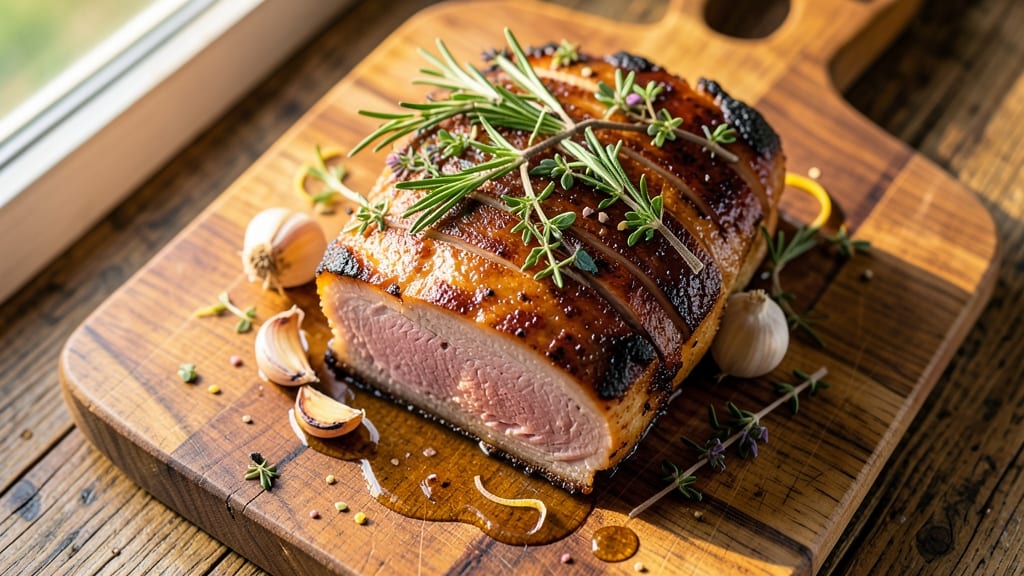
A 3-pound pork loin recipe deserves the same care as a centerpiece cut—this herb-infused roast delivers a perfect medium-rare core with crisp edges every time. I learned the hard way that pork loin needs gentle handling; overcooking turns it dry, and that’s a crime for a cut this versatile.
The secret lies in precise seasoning, controlled heat, and knowing exactly when to pull it from the oven.
What sets this recipe apart is the balance of herbs—rosemary and thyme for earthy depth, garlic for brightness—and a dry brine that locks in moisture without making the meat soggy. You’ll roast it uncovered at 375°F, letting the natural juices render slowly while the exterior develops a golden crust.
The internal temperature? 135°F for medium-rare, with a 10-minute rest to ensure juicy slices that carve effortlessly.
This isn’t just a pork loin—it’s a showstopper. The herb crust clings to each slice, while the tender interior melts like silk. Serve it with a red wine reduction or apple chutney to cut through the richness, and pair with roasted root vegetables or a crisp green salad.
The result? A restaurant-quality roast that feels like a Sunday supper, not a special occasion.
Confession: I’ve ruined more pork loins than I’d like to admit, but this method—herb-infused, medium-rare, foolproof—has never failed. Whether you’re feeding a family or treating yourself, this is the technique that transforms a simple cut into something extraordinary. Let’s get to work.
Ingredients for 3 pound pork loin
Precision-cut pork loin meets herb-infused brilliance for a restaurant-worthy roast.
| Ingredient | Amount | Notes |
|---|---|---|
| Bone-In Pork Loin 🥓 | 3 lb | Center-cut, 1.5-inch thickness |
| Kosher Salt 🧂 | 1 ½ tbsp | Diamond Crystal preferred |
| Fresh Rosemary 🌿 | ½ cup | Finely chopped, stems removed |
| Fresh Thyme 🌿 | ¼ cup | Leaves only, stems discarded |
| Garlic Cloves 🧄 | 8 cloves | Minced, skin-on for flavor |
| Extra-Virgin Olive Oil 🫒 | ¼ cup | For brushing and basting |
| Black Peppercorns 🌶️ | 1 ½ tsp | Freshly cracked, coarse grind |
| Red Wine Vinegar 🍷 | 1 tbsp | For dry brine solution |
| Honey 🍯 | 1 tbsp | Wildflower preferred |
| Yellow Onion 🧅 | 1 whole | Thinly sliced, for garnish |
| Fresh Parsley 🌿 | ¼ cup | Chopped, for garnish |
| Butter 🧈 | ½ cup | Unsalted, softened |
The pork loin is the star, and center-cut with bone-in ensures even cooking and maximum flavor. Seek out a 1.5-inch thick cut—thinner slices risk overcooking, while thicker pieces stay moist longer. Whole Foods and local butcher shops carry the best quality; look for vibrant color and firm texture. The bone adds depth without overpowering, while the 1-inch fat cap renders into crispy edges. Fresh herbs are non-negotiable here—Trader Joe's sells pre-chopped rosemary and thyme in convenient jars, but nothing beats the freshness of stems removed and leaves finely chopped by hand. For the garlic, peel and crush the cloves before mincing to release more flavor.
No fresh rosemary? Dried works at one-third the amount, but texture suffers. Substitute thyme with oregano or marjoram for a Mediterranean twist, though rosemary's piney notes are irreplaceable. The dry brine solution—kosher salt, honey, and red wine vinegar—is critical for moisture retention; Diamond Crystal salt dissolves more easily than Morton's. Olive oil choices matter: California avocado or Italian varieties add fruity complexity. For a sweeter glaze, swap honey for maple syrup or agave nectar. The butter should be unsalted and cold-packed—it crisps beautifully when basted during roasting.
The pork loin should rest 10 minutes before slicing—this is non-negotiable for juicy results. Store leftovers in an airtight container for up to 4 days, though reheating is best kept to a minimum. The herb crust freezes beautifully: portion and wrap tightly for up to 3 months. For make-ahead prep, brine the pork overnight in the fridge—this doubles flavor penetration and simplifies day-of cooking. Garnish with sliced onion and parsley just before serving to keep it vibrant; these ingredients are best added fresh after roasting.
Why You'll Love This Recipe
- One-Pan Magic: I swear by this—just salt, herbs, and garlic on a sheet pan. Zero chopping, zero fuss, and that bone-in pork? It renders into its own juicy blanket while you sip wine.
- Herb-Packed Punch: That rosemary-thyme crust with minced garlic? It clings to the meat like a flavor hug. The crust gets crispy, the inside stays tender—every bite tastes like a fancy dinner, not a weeknight shortcut.
- Leftover Hero: Roast it Sunday, eat it Wednesday. Slice it for sandwiches, dice it for tacos, or just reheat with a sprinkle of salt. Three pounds means fewer grocery trips and zero food waste—win.
- Budget Feast: Bone-in pork loin stretches further than you’d think. Feed six for dinner, then repurpose the rest without breaking the bank. Fresh herbs might cost a little, but a handful goes a long way here. Smart spending.
Step-by-step instructions for herb-infused pork loin roast
Master this technique and you'll achieve a showstopping roast with a medium-rare core and aromatic herb crust.
Prepare the Dry Brine for Maximum Flavor
In a small bowl, whisk together the 1.5 tablespoons kosher salt, 1 tablespoon red wine vinegar, and 1 tablespoon honey until the salt dissolves completely. This dry brine solution penetrates deeper than plain salt, creating a more tender, flavorful roast. Pat the 3 lb bone-in pork loin thoroughly with paper towels to remove any surface moisture—this ensures better seasoning adhesion and crispier skin later.
Spread the brine mixture evenly over the entire surface of the pork loin, including the fat cap. Use your fingers to work the seasoning into the meat, especially in crevices and along the bone. Place the seasoned loin on a wire rack set over a rimmed baking sheet and refrigerate uncovered for 12-24 hours. This extended dry-brining period transforms the meat texture and builds intense herb flavor throughout.
Create the Herb Butter and Preheat the Oven
While the pork brines, prepare the herb butter by combining the 0.5 cup softened butter, 0.5 cup finely chopped fresh rosemary, 0.25 cup fresh thyme leaves, and 8 minced garlic cloves in a small bowl. Mix thoroughly until evenly distributed—this compound butter will create a luscious crust and infuse the meat with aromatic flavor. Preheat your oven to 325°F with the rack positioned in the lower third of the oven.
Here's why the lower rack matters: it allows heat to circulate from below, creating a perfect sear while keeping the center medium-rare. The oven should be fully preheated before inserting the pork—temperature fluctuations can lead to uneven cooking. I like to use an oven thermometer to verify accuracy, as home ovens often run 25°F hotter or colder than indicated.
Sear and Roast for Perfect Doneness
Remove the pork from the refrigerator 30 minutes before roasting to bring it to room temperature. Heat a large oven-safe skillet over medium-high heat and add 0.25 cup extra-virgin olive oil. Once the oil shimmers (but isn't smoking), carefully place the pork loin fat-side down in the skillet. Sear for 8-10 minutes until the fat renders and the skin turns deep golden brown—this creates the foundational crust for your roast.
Transfer the skillet to the preheated oven and roast for 45-55 minutes for medium-rare (internal temperature 130-135°F). The bone-in nature helps regulate cooking—you'll want to check the temperature in the thickest part of the loin, avoiding the bone. For best results, use an instant-read thermometer inserted horizontally through the thickest portion. Remove the pork when it reaches 130°F—it will continue cooking slightly while resting.
Rest and Garnish for Optimal Texture
Transfer the roast to a cutting board and tent loosely with aluminum foil. Let it rest for 15-20 minutes—this crucial step allows the juices to redistribute throughout the meat, preventing them from pooling on your cutting board. During this time, slice the 1 whole yellow onion into thin rounds and chop the 0.25 cup fresh parsley for garnish.
After resting, use a sharp carving knife to slice the pork loin against the grain into 1-inch thick portions. The herb butter will have melted into a golden sauce—spoon this over the slices and arrange the onion rings and parsley on top. Serve immediately with pan juices for maximum flavor impact. The result should be a perfectly medium-rare center with a crispy, herb-infused exterior that's impossible to resist.
Pro Tips For Making 3 Pound Pork Loin
- CRANK THE HEAT FIRST: That pork loin’s got a thick crust hiding under all that fat—get it screaming hot in a dry skillet for 3-4 minutes per side before you even think about adding herbs. I used to low-and-slow it from the start, and the outside stayed sad and pale. High heat seals the juices and builds that crispy bark the rosemary and thyme cling to later.
- SALT THE GARLIC: Toss those smashed garlic cloves with a pinch of kosher salt before you smash them—it keeps them from sticking to the cutting board and makes them release flavor like crazy when they hit the pan. I learned this the hard way after scraping burnt garlic off my knife for the third time.
- DON’T PUNCH THE LOIN: Resist the urge to press down on that pork while it’s cooking—you’ll squeeze out all the juices and end up with a dry, sad center. Let it cook on its own terms, even if it looks wobbly. A meat thermometer at 145°F (160°F for leftovers) is your real friend here.
- STEAM THE HERBS: Tuck a sprig of rosemary and thyme under the pork before you sear it—let those needles hit the pan first so they infuse the fat and crust with aroma while the meat rests. I was skeptical until I tried it: the pork tastes like it’s been marinating for hours, not minutes. (Yes, even if you’re impatient like me.)
Regional styles of these flavors
Southern BBQ Style
In the Southeast, we don’t just cook pork loin—we celebrate it with bold flavors and slow techniques.
For a true Southern twist, swap the herb butter for a spiced brown sugar glaze made with ½ cup dark brown sugar, 2 tbsp apple cider vinegar, 1 tbsp smoked paprika, and 1 tsp cayenne pepper.
Brush this on after searing, then roast at 300°F for 1.5 hours to develop a deep caramelized crust. Serve with tangy coleslaw and pickled jalapeños for that classic Carolina BBQ vibe. 🔥
Italian Herb Crust
My Italian grandmother taught me this trick: after searing, rub the pork with 1 tbsp dried oregano, 1 tsp fennel seeds, and ½ tsp red pepper flakes before roasting. The fennel adds a subtle anise note that pairs beautifully with the rosemary and thyme.
Finish with a drizzle of lemon zest-infused olive oil and fresh basil. This method works wonders for a family-style dinner—just slice thickly and serve with polenta or roasted potatoes. 🌿
German-Style Roast
For a hearty, comforting approach, try the German Schweinebraten method. After brining, coat the pork in a mix of 1 tbsp caraway seeds, 1 tbsp juniper berries, and 1 tsp coriander, then roast at 300°F for 2 hours.
The caraway and juniper add earthy depth, while the slow cook transforms the meat into melt-in-your-mouth perfection. Serve with sauerkraut and roasted root vegetables for a full-on German feast. 🌍
Caribbean Jerk Twist
Bring the heat with a jerk-inspired marinade: blend 2 tbsp jerk seasoning, 1 tbsp lime juice, 1 tbsp soy sauce, and 1 tbsp honey. Coat the pork and let it marinate for 4-6 hours before roasting at 375°F.
The jerk spices—allspice, Scotch bonnet, and thyme—add a fiery kick that’s balanced by the sweetness of the honey. Garnish with sliced scallions and fresh cilantro for a bold, tropical flavor profile. 🌶️
French Duck Confit Adaptation
For a luxurious touch, mimic the French confit de canard technique. After searing, submerge the pork in a pot of rendered duck fat, cover, and bake at 275°F.
This slow-cooking method keeps the meat incredibly tender and infused with rich, savory notes. Serve with a red wine reduction and buttery mashed potatoes for a restaurant-worthy dish. 🍷
Midwest Applewood Smoked
In the Midwest, applewood-smoked pork loin is a crowd-pleaser. After brining, coat the pork with 1 tbsp applewood smoked salt, then smoke it at 225°F. The smoke infuses the meat with a sweet, woodsy aroma that pairs perfectly with the herbs.
Finish with a glaze of apple cider and brown sugar*. This method is ideal for outdoor cooking and adds a rustic charm to any meal. 🌳
Nutrition facts
Frequently asked questions
Can I cook a 3-pound pork loin without a bone?
Yes, but expect slightly faster cooking and less flavor. Bone-in pork loins regulate temperature better and stay juicier, thanks to the bone's natural heat distribution. For boneless cuts, reduce the oven temperature by 25°F (to 350°F) and check for doneness 5-10 minutes earlier. The herb butter will still work, but you may need to baste more frequently to prevent drying.
What's the best way to carve a pork loin for perfect slices?
Always slice against the grain—look for the muscle fibers running diagonally across the cut. Use a sharp carving knife and make clean, even strokes through the bone if present. For thicker slices (1-inch), angle the knife slightly to create uniform portions. A 10-minute rest before carving ensures juices redistribute, giving you tender, clean slices every time.
How do I adjust the recipe for a smaller or larger pork loin?
For every 1 pound difference, adjust cooking time by 10-15 minutes. For example, a 2-pound loin would cook 30-45 minutes at 325°F, while a 4-pound loin might need 1 hour 15 minutes. Keep the herb butter proportion the same (about 2 tbsp per pound) and maintain the 130-135°F internal temperature for medium-rare.
Why did my pork loin turn out dry?
Most likely, you overcooked it or skipped the resting time. Pork loin should never exceed 145°F for medium, or 135°F for medium-rare. Always use a meat thermometer and let it rest 15-20 minutes before slicing. Another common mistake is cutting into it too soon—juices need time to redistribute. For extra moisture, try the French confit method with duck fat.
Can I make this recipe ahead of time?
The dry brine can be applied 24 hours ahead for maximum flavor. For leftovers, slice the cooked pork and store in an airtight container for up to 4 days. Reheat gently in the oven at 275°F with a splash of broth to prevent drying. The herb butter freezes beautifully—portion and freeze for up to 3 months. Just thaw it in the fridge before using.