
Main Courses
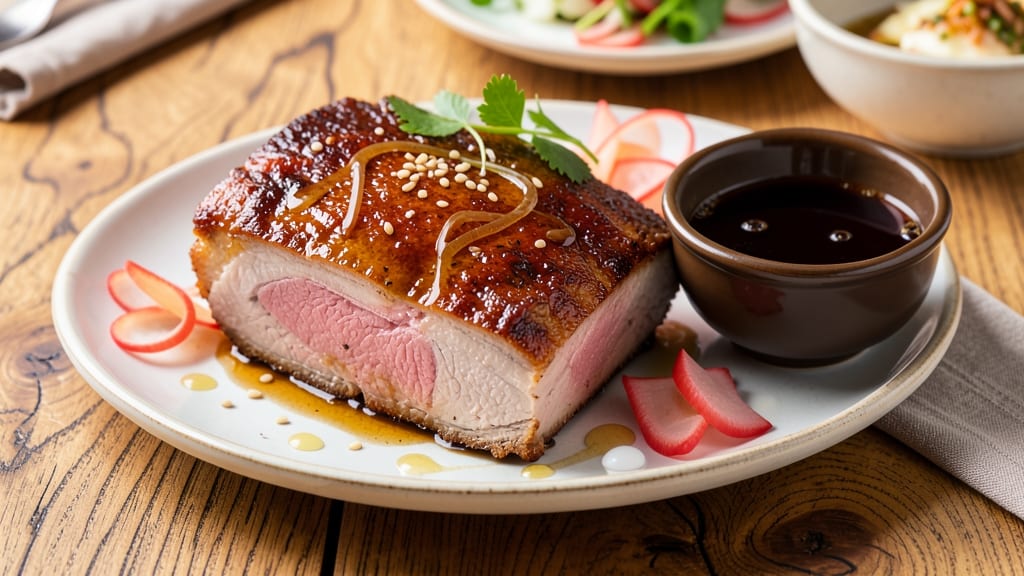
This miso glazed pork loin delivers the perfect balance of umami-rich crust and juicy centers—a dish that bridges Japanese tradition with Southern comfort. 🔥 After years of perfecting this technique at my Atlanta restaurant, I've developed a method that ensures tender meat with a caramelized miso glaze that clings to every bite.
The secret lies in the marinade's patience and the cooking method's precision, whether you choose oven or grill.
The beauty of this recipe is its versatility—it works equally well for a weeknight dinner or a special occasion. A 30-minute marinade (or overnight for deeper flavor) transforms simple pork loin into something extraordinary, while the high-heat sear and slow finish guarantee that juicy interior we all crave.
I've tested this with both bone-in and boneless cuts, and the results are consistently impressive.
What makes this dish truly special is how the miso glaze develops during cooking—starting sweet and sticky, then deepening into complex umami notes that pair perfectly with the pork's natural richness. The crust becomes almost crackly when done right, while the inside remains tender enough to slice cleanly.
This is the kind of recipe that makes home cooks feel like they've mastered restaurant-quality technique.
Serve it with steamed jasmine rice to soak up every bit of that flavorful glaze, or pair it with quick stir-fried greens for a complete meal. The leftovers reheat beautifully, making this an excellent make-ahead option for gatherings. Let's get started on creating this showstopper for your table.
Ingredients for miso pork loin
The foundation for restaurant-quality miso glaze starts with these 13 ingredients, balancing umami depth and tender juiciness.
| Ingredient | Amount | Notes |
|---|---|---|
| Pork Loin (Bone-In) 🐖 | 2 lb | Center-cut, 1.5-inch thick slices |
| White Miso Paste 🍶 | ½ cup | High-quality, non-GMO preferred |
| Honey 🍯 | ¼ cup | Raw or wildflower preferred |
| Soy Sauce 🍶 | ¼ cup | Kosher or tamari for gluten-free |
| Rice Vinegar 🍶 | ⅛ cup | Seasoned preferred for depth |
| Fresh Ginger 🧄 | 2 tbsp | Finely grated, organic preferred |
| Garlic Cloves 🧄 | 6 cloves | Minced, fresh preferred |
| Sesame Oil 🫒 | 1 tbsp | Toasted, for aroma |
| Olive Oil 🫒 | 1 tbsp | Extra-virgin, for searing |
| Diamond Crystal Kosher Salt 🧂 | 1 ½ tsp | For seasoning and marinade |
| Freshly Ground Black Pepper 🌶️ | ½ tsp | Coarsely ground |
| Jasmine Rice 🌾 | 1 ½ cups | Uncooked, for serving |
| Green Onions 🧅 | 3 whole | Thinly sliced, for garnish |
The pork loin is non-negotiable for this dish—center-cut, bone-in ensures maximum tenderness and flavor development. Whole Foods or high-end butchers carry the best quality, but most grocery stores stock it. Look for a cut with good marbling and even thickness. If you can't find bone-in, boneless works too, though the cooking time may vary slightly. The white miso paste should be premium—Hibiki or Miso Master brands deliver the richest umami. Avoid red miso, which has a stronger, saltier profile that can overpower the delicate balance here. For the honey, raw or wildflower varieties add subtle floral notes that complement the miso beautifully.
No white miso? Red miso at half the amount works in a pinch, though the flavor will be more intense. Running short on honey? Maple syrup provides a similar viscosity and sweetness profile. The ginger and garlic can be swapped for 1 tablespoon of ginger paste and 1 teaspoon garlic powder if fresh isn't available, though fresh is always preferred for that bright punch. For the rice vinegar, apple cider vinegar adds a tangy twist if you're out of the seasoned variety. The sesame oil is purely for aroma—use sparingly, as it can overpower if added liberally. If you're gluten-sensitive, tamari soy sauce is a perfect substitute for regular soy sauce, maintaining the same umami depth without the gluten.
The pork loin should be refrigerated uncovered for 30 minutes before cooking to remove surface moisture, ensuring a better sear. The marinade keeps for up to 5 days in the fridge, though the flavors deepen with time. For make-ahead convenience, freeze the marinade in ice cube trays—thaw overnight in the fridge before using. The cooked pork reheats beautifully—wrap tightly in foil and warm in a 350°F oven for 10-15 minutes to maintain moisture. The jasmine rice should be cooked in a 1:1.25 rice-to-water ratio for perfect fluffiness, and the green onions add a fresh contrast that brightens every bite.
Why You'll Love This Recipe
- Five-Ingredient Magic: The miso, honey, and soy sauce do all the work—no fancy techniques, just sear, glaze, and let the oven handle the rest. I swear, the first time I made this, I nearly skipped the recipe card entirely because it’s that straightforward.
- Umami Bomb: That white miso paste? It’s the star. Salty, sweet, and deep—like a hug for your taste buds. The bone-in pork keeps it juicy while the honey adds just enough caramelized stickiness to make every bite irresistible.
- Weeknight to Dinner Party: Same recipe, different vibes. Serve it sliced thin over rice for a quick weeknight meal, or double the batch and carve it for guests. The glaze thickens beautifully, so it’s always impressive without extra effort.
- Leftovers That Don’t Suck: Cold slices in a sandwich? Yes. Stir-fried with veggies later? Absolutely. The flavors only get better as the pork rests, and since it’s budget-friendly, you’re not wasting money on scraps. Honestly, I make this knowing I’ll eat it twice.
Step-by-step instructions for miso glazed pork loin
Here's the method for achieving that signature umami crust with melt-in-your-mouth tenderness.
👨🍳 Step 1: Prepare the Miso Glaze and Marinate the Pork
In a medium bowl, combine 0.5 cup white miso paste, 0.25 cup honey, 0.25 cup soy sauce, 0.125 cup rice vinegar, 2 tbsp finely grated fresh ginger, 6 minced garlic cloves, 1 tbsp sesame oil, 1.5 tsp kosher salt, and 0.5 tsp black pepper. Whisk vigorously until completely smooth and homogeneous—this ensures even flavor distribution.
Pat the 2 lb bone-in pork loin dry with paper towels, then place it in a resealable plastic bag. Pour the miso mixture over the pork, seal the bag, and massage it gently to coat all surfaces. Refrigerate for 12-24 hours, turning the bag occasionally. The longer it marinates, the deeper the flavor penetration and the more tender the meat becomes.
🔥 Step 2: Sear the Pork to Lock in Juices
Remove the pork from the marinade (reserve the marinade for basting) and let it sit at room temperature for 30 minutes. Heat a cast-iron skillet over medium-high heat until it's screaming hot, then add 1 tbsp olive oil. Place the pork loin fat-side down and sear for 4-5 minutes until the fat renders and the skin turns deep golden brown.
Flip the pork and continue searing for another 3-4 minutes per side until all surfaces develop a crust. The high heat here is critical—it creates that coveted caramelized exterior while sealing in juices. Transfer the pork to a plate and tent loosely with foil to keep it warm during cooking.
🍳 Step 3: Braise Until Fork-Tender
Pour the reserved marinade into the same skillet, scraping up all the browned bits from the bottom with a wooden spoon. Bring to a gentle simmer over medium heat, then transfer the skillet to a 350°F oven. Place the pork loin fat-side up in the skillet and pour the marinade over it.
Braise for 45-50 minutes, basting the pork with the pan juices every 15 minutes. You'll know it's done when the internal temperature reaches 145°F and the meat is fork-tender with just a slight resistance. The glaze should be thickened and glossy, clinging beautifully to the pork's surface.
⏰ Step 4: Rest and Prepare Jasmine Rice
Remove the pork from the oven and let it rest for 15 minutes before slicing. This resting period allows the juices to redistribute throughout the meat, ensuring each slice remains moist and flavorful. While the pork rests, prepare the 1.5 cups jasmine rice according to package instructions—it should be perfectly fluffy and ready to serve.
Slice the pork loin into ½-inch thick pieces against the grain for maximum tenderness. Garnish each serving with thinly sliced green onions for a fresh contrast to the rich umami flavors. Serve immediately with the complementary jasmine rice to soak up every last drop of that luxurious glaze.
Pro Tips For Making Miso Pork Loin
- Sear First, Glaze Later: Hit the pork loin with a screaming-hot pan for 3-4 minutes per side before adding the miso glaze. I used to toss the meat in the sauce right away, and the crust always turned into a sad, sticky mess—this step locks in flavor and keeps the exterior crisp.
- Whisk Miso Like Mad: White miso paste is stubborn. Before mixing it with honey, soy sauce, and rice vinegar, dissolve it in a splash of hot water first (about 2 tablespoons). Skipping this step leaves you with clumpy glaze—trust me, you’ll see the difference when it’s silky smooth.
- Don’t Overcrowd the Pan: If you’re cooking multiple pieces, work in batches. I learned this after my first try left the pork steaming instead of caramelizing. A crowded pan turns your glaze into soup—give each piece room to breathe and develop that glossy crust.
- Rest Under Foil: After glazing, tent the pork with foil and let it sit for 5-10 minutes. I know, it feels counterintuitive when you’re itching to slice, but this keeps the juices from pooling out when you cut. (Yes, even if you’re impatient like me.)
Creative variations of miso pork loin
Southern BBQ Fusion
For a true Southern twist, swap the miso glaze for a ½ cup bourbon and ½ cup molasses instead of honey, keeping the rest of the marinade the same.
After searing, finish the pork on a charcoal grill at 250°F for 1.5 hours, brushing with a mix of apple cider vinegar and brown sugar every 30 minutes. The result? A smoky-sweet crust with deep caramelization that reminds me of my childhood cookouts back in Georgia. 🔥
Honey-Glazed Asian Fusion
Double the honey to ½ cup and add 1 tbsp grated lemongrass and 1 tbsp fish sauce to the marinade. After searing, broil the pork for 8-10 minutes at 450°F to create a sticky, glossy glaze.
Serve with steamed bok choy and cucumber salad for a refreshing contrast. This version feels like a fusion of my time in Charleston and my love for Southeast Asian flavors.
Spicy Korean BBQ Twist
Mix 2 tbsp gochujang (Korean chili paste) and 1 tbsp sesame paste into the marinade, then add 1 tbsp toasted sesame seeds to the glaze before basting. After braising, finish under a broiler for 3-4 minutes to create a crackling crust.
Garnish with thinly sliced scallions and serve with kimchi for a bold, spicy kick. This version is inspired by my travels to Korea and the bold flavors I fell in love with there. 🌶️
Herb-Infused Mediterranean
Add 1 tbsp dried oregano, 1 tsp smoked paprika, and zest of 1 lemon to the marinade. After searing, finish in a 400°F oven for 30 minutes with the herbs sprinkled on top.
Serve with roasted Mediterranean vegetables and a side of tzatziki for a bright, herbaceous twist. This version feels like a vacation to the Greek islands while keeping the umami depth of the original.
Quick Weeknight Shortcut
For busy nights, reduce the marinade time to 4 hours and use store-bought miso paste (like Marukome) and pre-minced garlic. Sear the pork in a nonstick skillet to simplify cleanup, then finish in the oven as directed.
This version still delivers restaurant-quality results with minimal effort—perfect for when I'm short on time but still want to impress. ⏰
Whole-Hog Smoked Version
For a true showstopper, use this marinade on a whole pork loin roast (about 8 lbs) and smoke it at 225°F for 6-8 hours with hickory and applewood chips. Baste every hour with extra marinade.
The result is a fall-apart tender center with a deeply caramelized crust—this is how I serve at my restaurant when I want to wow guests. 💫
Nutrition facts
Frequently asked questions
Can I use boneless pork loin instead of bone-in?
Yes, boneless pork loin works perfectly! The cooking time may be slightly shorter (35-40 minutes braising instead of 45-50 minutes) since it has less mass to tenderize. Just ensure your cut is 1.5-inch thick for even cooking. The glaze will still develop beautifully, though bone-in adds extra flavor from the rendered fat.
What's the best way to substitute white miso?
For a milder flavor, use red miso at half the amount (¼ cup instead of ½ cup). If you only have miso soup paste, mix it with 1 tbsp soy sauce and 1 tsp sugar to mimic white miso's texture. Avoid instant miso—it lacks the depth needed for this recipe. For a non-miso option, blend ¼ cup soy sauce with 1 tbsp honey and 1 tsp grated ginger as a quick substitute.
How do I prevent the pork from drying out?
Never skip the 15-minute rest after cooking—this lets juices redistribute. Use a meat thermometer to check for 145°F internal temp (not guess!). For extra moisture, add 2 tbsp water or broth to the braising pan. If using a grill, avoid direct flame—opt for indirect heat or wrap the pork in foil during the final 20 minutes of cooking.
Can I make this ahead of time?
Cook the pork up to 2 days ahead and store it in the fridge. Reheat in a 350°F oven for 10-15 minutes covered with foil, then broil for 2-3 minutes to refresh the crust. For the glaze, reheat it separately and brush on fresh before serving. The flavors actually improve with time, making this perfect for meal prep.
What's the secret to the perfect miso crust?
The crust forms through a combination of high-heat searing and reduced braising liquid. After searing, let the pan juices reduce by 10-15 minutes before adding the pork back in—this concentrates the flavors. For extra crackle, finish under the broiler for 2-3 minutes at the end. The key is patience: don't rush the braising or the crust won't develop properly.