
Main Courses
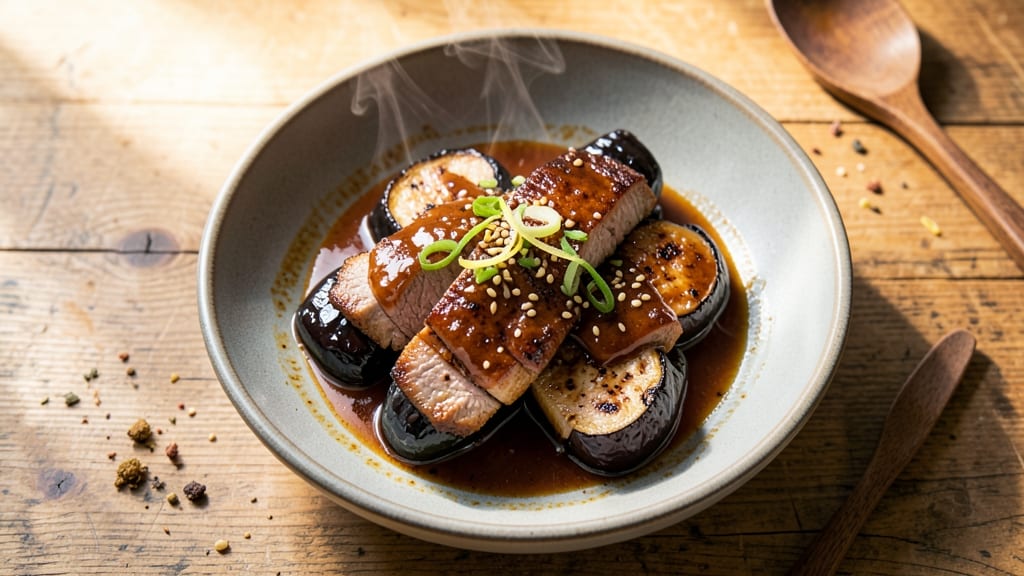
This miso pork and eggplant stir-fry delivers the perfect balance of umami depth and silky textures in every bite. I developed this recipe after years of perfecting Japanese-inspired techniques that transform simple ingredients into restaurant-quality results.
The secret lies in properly searing the pork and achieving that signature silky eggplant texture through precise cooking methods.
What makes this dish truly special is the miso marinade, which infuses the pork with rich, savory flavors while keeping it tender. The eggplant is prepared using a traditional Japanese technique that ensures it's perfectly soft yet still holds its shape.
This stir-fry comes together in about 30 minutes, making it ideal for weeknight dinners that feel like a special occasion.
The result is a dish with beautifully caramelized pork, silky eggplant that's been cooked just right, and a sauce that's perfectly balanced between sweet, salty, and umami. Each component plays a crucial role in creating a harmonious bite that's both comforting and sophisticated.
The textures contrast beautifully—tender pork against the velvety eggplant—while the miso sauce ties everything together.
Serve this stir-fry over steamed rice for a complete meal, or pair it with quick-pickled vegetables to cut through the richness. The combination of flavors and textures makes this dish incredibly satisfying, perfect for anyone looking to elevate their home cooking with professional techniques. Let's get started!
Ingredients for miso pork eggplant
Japanese-inspired ingredients that transform simple proteins into restaurant-quality umami perfection.
| Ingredient | Amount | Notes |
|---|---|---|
| Boneless Pork Tenderloin 🥩 | 1 lb | Cut into 1-inch cubes |
| Japanese Eggplant 🍆 | 1 whole | Medium size preferred |
| White Miso Paste 🧈 | ½ cup | High-quality, unsweetened |
| Soy Sauce 🍶 | ¼ cup | Japanese-style preferred |
| Mirin 🍶 | ¼ cup | Sweet cooking rice wine |
| Sesame Oil 🫒 | 1 tbsp | Toasted, for aroma |
| Neutral Oil 🫒 | ½ cup | Vegetable or canola |
| Garlic Cloves 🧄 | 6 cloves | Minced for marinade |
| Fresh Ginger 🌿 | 1 tbsp | Grated, finely chopped |
| Green Onions 🧅 | ¼ cup | Sliced, for garnish |
| Toasted Sesame Seeds 🌾 | 1 tbsp | For garnish |
| Unsalted Butter 🧈 | 1 tbsp | For eggplant searing |
| Diamond Crystal Kosher Salt 🧂 | 1 tsp | For seasoning |
| Black Pepper 🌶️ | ½ tsp | Freshly ground |
| Jasmine Rice 🍚 | 1 ½ cups | Uncooked, for serving |
The Japanese eggplant is non-negotiable for this dish—its tender, mild flesh becomes silky when seared properly. Look for bright purple skin and firm texture at Whole Foods or well-stocked Asian markets. Pork tenderloin should be center-cut for even cooking; trim any visible fat. For the miso, Marukome or Hawkers brands deliver consistent quality. Fresh ginger and garlic should have vibrant color and firm texture—no rubbery stems or sprouting cloves. The sesame oil is for aroma only; use toasted for maximum flavor impact.
No mirin? Substitute 1 tbsp sugar + 1 tbsp water for the same sweetness. White miso can be swapped for red miso if you prefer deeper color, but reduce by 0.25 cup to maintain balance. For the eggplant, salt it generously 20 minutes before cooking—this draws out excess moisture for that signature silky texture. The butter used for searing should be unsalted to control seasoning precisely. Green onions can be replaced with scallions if unavailable, but the mild sweetness is ideal here. For extra richness, add 1 tbsp honey to the marinade.
Store miso paste in the fridge after opening—it keeps for up to 1 year. Pork marinade can be prepped 24 hours ahead, but reserve 0.25 cup for basting during searing. Eggplant holds well for 3 days refrigerated, but best used fresh. Cooked rice reheats beautifully—microwave with a splash of water for 30 seconds to restore moisture. Garnishes like sesame seeds and green onions can be prepped ahead and stored in airtight containers for 5 days. The dish tastes even better the next day as flavors meld.
Why You'll Love This Recipe
- One-Pan Magic: I swear by this recipe when I’m too tired to scrub pots—just slice the eggplant, sear the pork, and toss everything in one pan. The miso and mirin caramelize right into a glossy glaze while I’m still chopping green onions.
- Umami Bomb: That first bite? The pork stays juicy while the eggplant soaks up the salty-sweet miso-soy glaze, with mirin adding this bright, almost wine-like depth. It’s the kind of flavor that makes you pause mid-chew, like someone handed you a tiny flavor explosion.
- Weeknight to Dinner Party: Honestly, I’ve served this to skeptical in-laws and my picky 12-year-old—both devoured seconds. The rich, savory notes feel fancy enough for company, but the prep is so simple I don’t even break a sweat. (Yes, even on a Tuesday night.)
- Leftovers That Don’t Suck: Most dishes turn sad in the fridge, but this? The flavors deepen overnight. I’ll reheat slices in a skillet with a splash of mirin for that same crispy edge, or toss cold pieces into a grain bowl the next day. Zero food waste, all flavor.
Step-by-step instructions for miso pork and eggplant stir-fry
Master this umami-packed dish by balancing silky textures and deep savory flavors through precise technique.
Prepare the Pork Marinade and Eggplant Foundation
In a medium bowl, combine the 0.5 cup white miso paste, 0.25 cup soy sauce, 0.25 cup mirin, 1 tbsp sesame oil, 6 minced garlic cloves, and 1 tbsp freshly grated ginger. Whisk until completely smooth and homogeneous. The marinade should have a thick, paste-like consistency that will cling perfectly to the pork.
While the marinade develops its complex flavors, prepare the eggplant. Cut the 1 whole Japanese eggplant into 1-inch thick rounds and sprinkle generously with 1 tsp kosher salt on both sides. Let it sit for 15 minutes to draw out excess moisture, then pat thoroughly dry with paper towels. This crucial step prevents a soggy texture when searing.
Sear the Pork and Eggplant for Maximum Texture
Heat 0.25 cup neutral oil in a large wok or skillet over medium-high heat until shimmering. Add the 1 lb pork tenderloin cubes in a single layer and sear undisturbed for 2-3 minutes per side until they develop a deep golden crust. Remove the pork and set aside on a plate.
In the same pan, add 1 tbsp unsalted butter and swirl to coat the bottom. Add the salted eggplant rounds and cook for 3-4 minutes per side until the cut sides develop crispy brown spots. The butter will create a luxurious sheen while preventing the eggplant from sticking. Remove the eggplant and tent both the pork and eggplant with foil to keep warm.
Build the Umami Sauce and Combine Components
Return the pan to medium heat and add the remaining 0.25 cup neutral oil. Pour in the pork marinade and scrape vigorously with a wooden spoon to deglaze the pan, collecting all the flavorful browned bits. Simmer for 3-4 minutes until the sauce reduces slightly and coats the back of a spoon.
Add the seared pork and eggplant back to the pan along with 0.25 cup sliced green onions. Toss everything gently to coat evenly with the sauce. The eggplant should absorb the miso glaze while maintaining its silky texture, and the pork should develop a glossy sheen from the reduced sauce. Cook for an additional 2 minutes to meld all the flavors together.
Finish with Garnish and Serve Immediately
Transfer the stir-fry to a serving platter and sprinkle generously with 1 tbsp toasted sesame seeds and any remaining 0.25 cup sliced green onions. The seeds add a nutty crunch that contrasts beautifully with the tender eggplant and succulent pork.
Serve immediately over 1.5 cups cooked jasmine rice to absorb the rich umami sauce. Each bite should deliver a perfect balance of textures - the crispy pork exterior, silky eggplant interior, and the deep, savory miso glaze that ties everything together. The dish should be served while hot to maintain the perfect texture contrast between components.
Pro Tips For Making Miso Pork Eggplant
- SEAR THE PORK FIRST: Don’t skip the initial sear—get that pork tenderloin screaming hot in a dry pan for 3-4 minutes per side before adding anything else. I used to rush this, and the sauce would just pool instead of clinging to the meat. High heat locks in flavor and texture, so crank it up and let it brown properly.
- SALT THE EGGPLANT IN ICE WATER: After slicing the eggplant, toss the pieces in salt and let them sit for 10 minutes before rinsing and draining. Then, soak them in ice water for 5 minutes to stop the cooking and crisp them up. This isn’t just about removing bitterness—it’s the only way to guarantee those slices stay tender and absorb the miso sauce properly.
- DILUTE THE MISO PASTE: White miso is thick stuff—don’t just dump it straight into the pan. Mix it with a splash of mirin and a little water (about 2 tablespoons total) before adding it to the pork and eggplant. This keeps the sauce smooth and prevents it from turning into a gluey mess. Trust me, your future self will notice the difference.
- REST THE PORK UNDER FOIL: Once the pork reaches 145°F (15 seconds for medium doneness), pull it out of the pan and tent it loosely with foil for 5-10 minutes. This lets the juices redistribute instead of leaking out onto the eggplant when you slice it. I learned this the hard way—dry pork ruins the whole dish, and nobody wants that.
Storing and reheating this dish
Refrigerator Storage
Let your miso pork and eggplant stir-fry cool to room temperature before storing in an airtight container—I use glass Pyrex with snap-on lids for best results. Store in the fridge for up to 3 days, but the eggplant's texture starts breaking down after 2 days.
The miso sauce will thicken slightly, so add 1-2 teaspoons of water when reheating to restore its glossy consistency. 🥬
Freezer Storage
For longer storage, portion the stir-fry into freezer-safe containers or heavy-duty freezer bags, leaving 1-inch headspace for expansion. Freeze for up to 3 months, but the eggplant's texture will become slightly grainier after thawing.
To preserve quality, freeze the components separately: pork in one container, eggplant in another, and sauce in a small jar. Thaw overnight in the fridge before reheating. ❄️
Reheating Methods
For stovetop reheating, place the stir-fry in a nonstick skillet over medium-low heat with 2 tablespoons of water or broth. Cover and heat for 5-7 minutes, stirring occasionally, until warmed through.
The eggplant should regain its silky texture, while the pork will re-crisp slightly. Avoid high heat—it can dry out the eggplant. 🔥
Microwave Technique
If short on time, microwave individual portions on 50% power for 2-3 minutes, stirring halfway. Add 1 tablespoon of water to prevent drying. For best results, transfer to a plate and cover loosely with a damp paper towel to retain moisture.
The eggplant may release excess water, so drain any liquid before serving. 💫
Reviving Texture
If the eggplant loses its silky quality after reheating, place it in a dry skillet over medium heat for 1-2 minutes to crisp the edges slightly. This restores the contrast between the tender interior and crispy exterior.
For extra richness, drizzle with 1 teaspoon of sesame oil before serving. The pork will benefit from a quick sear in the same pan to restore its caramelized crust. 💡
Rice Pairing Tip
Reheat jasmine rice separately in a steamer basket over simmering water for 5 minutes to restore its fluffy texture. The rice absorbs any extra sauce from the stir-fry, creating a cohesive meal.
For added flavor, sprinkle with toasted sesame seeds or a pinch of black pepper before serving. This keeps the dish balanced and restaurant-quality. 🍚
Nutrition facts
Frequently asked questions
Why does the recipe call for salting the eggplant before cooking?
Salting the eggplant 15 minutes before cooking removes excess moisture, which prevents a soggy texture when searing. This traditional Japanese technique ensures the eggplant becomes silky rather than mushy. Just pat it dry thoroughly after salting—this step is non-negotiable for perfect results!
Can I substitute regular eggplant for Japanese eggplant?
You can try, but Japanese eggplant has a tender, mild flesh that becomes silky when cooked properly. Regular eggplant is larger and more bitter, so cut it into ½-inch slices instead of 1-inch rounds and reduce cooking time by 1-2 minutes per side to avoid overcooking. The texture won't be identical, but it'll still taste delicious!
How do I know when the pork is cooked to perfection?
The pork should reach an internal temperature of 145°F and have a deep golden crust from searing. Use a meat thermometer to check—insert it into the thickest piece without touching bone. If it's slightly pink inside, cook 30 seconds longer. The marinade keeps it tender, so don't overcook!
What if I don't have mirin? Can I make a substitute?
Mix 1 tbsp sugar + 1 tbsp water to mimic mirin's sweetness. For extra depth, add ½ tsp rice vinegar to the marinade. The dish won't be identical, but it'll still be flavorful. If you're feeling adventurous, try 1 tbsp honey instead—it adds a lovely floral note!
Can I make this dish ahead of time?
Yes, but with a few tweaks. Marinate the pork 24 hours ahead for deeper flavor, but reserve ¼ cup marinade for basting during searing. For the eggplant, slice and salt it 1 hour** before cooking, then store in the fridge. Reheat gently on the stovetop to preserve textures—microwaving can make the eggplant rubbery.