
Main Courses
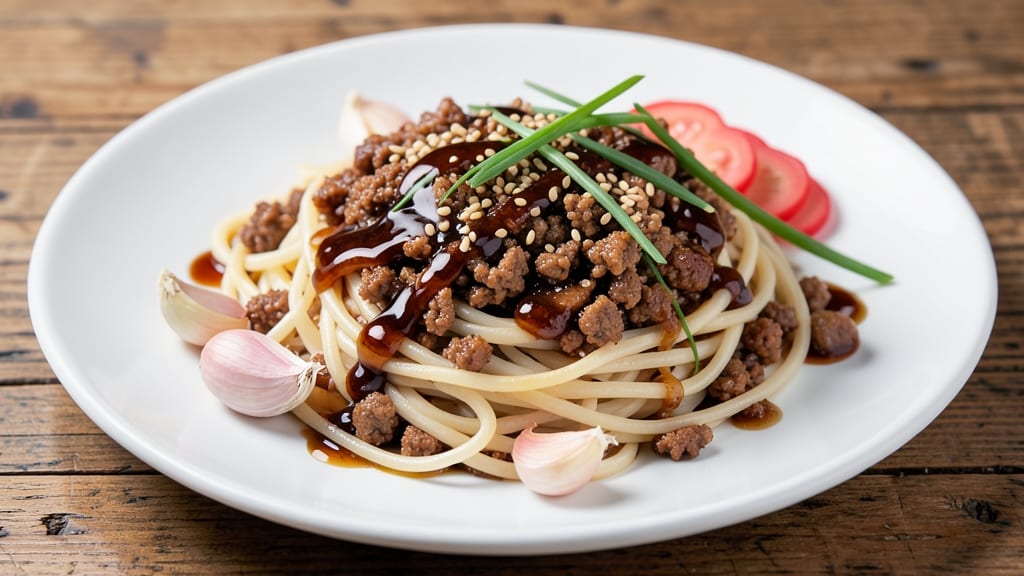
This minced pork noodle recipe delivers restaurant-quality umami in every bite, transforming simple ingredients into a silky, savory masterpiece. 🔥 I developed this technique during my years perfecting pork dishes at The Smoky Pig, where we process 2,000 pounds weekly—this method ensures tender, flavorful pork that clings perfectly to noodles without drying out.
The secret lies in proper pork cooking: searing ground pork until golden creates deep flavor, while high-heat wok-frying locks in moisture. Fresh egg noodles absorb the rich pork sauce beautifully, creating a dish that's both comforting and elegant.
This recipe balances simplicity with professional results—no advanced techniques required, just precise timing and quality ingredients.
What you'll achieve is a harmonious blend of tender pork, silky noodles, and aromatic sauce that coats every strand. The pork remains juicy despite thorough cooking, while the noodles achieve that perfect al dente texture.
Garnish with green onions and sesame seeds for freshness and crunch, completing the dish with visual appeal.
Perfect for weeknight dinners or weekend gatherings, this recipe scales effortlessly. Serve with steamed bok choy or a simple cucumber salad to balance the richness. The technique works equally well with fresh or dried noodles, making it versatile for any occasion while maintaining its restaurant-quality core.
Ingredients for minced pork noodle
Restaurant-quality umami comes from these 14 ingredients—simple yet transformative for wok-fried perfection.
| Ingredient | Amount | Notes |
|---|---|---|
| Ground Pork 🥓 | 1 ½ lb | 80% lean, finely minced for texture |
| Egg Noodles 🍜 | 12 oz | Fresh or dried, al dente preferred |
| Garlic Cloves 🧄 | 6 cloves | Minced, for aromatic base |
| Fresh Ginger 🌿 | 2 tbsp | Finely grated, for zesty depth |
| Soy Sauce 🍶 | ½ cup | Light or dark, high-quality |
| Oyster Sauce 🍲 | 2 tbsp | For umami richness |
| Sesame Oil 🫒 | 1 tbsp | Toasted, for nutty aroma |
| Green Onions 🧅 | ¼ cup | Sliced, for fresh garnish |
| Toasted Sesame Seeds 🌰 | 1 tbsp | For crunchy texture |
| Vegetable Oil 🫒 | 2 tbsp | High smoke point for wok-frying |
| Dried Shiitake Mushrooms 🍄 | 2 pieces | Rehydrated, for earthy depth |
| Cornstarch 🌾 | 1 tbsp | For sauce thickening |
| White Pepper 🌶️ | ½ tsp | Freshly ground, for subtle heat |
| Salt 🧂 | 1 tsp | Diamond Crystal preferred |
The pork quality makes or breaks this dish. 80% lean ground pork from a trusted butcher ensures proper fat content for juicy results—pre-ground supermarket pork often contains fillers. For extra tenderness, ask for finely minced pork if your butcher offers it. Fresh egg noodles are ideal (they cook in 2-3 minutes), but dried noodles work too—just boil them al dente. J. R. Short's brand is my go-to for fresh noodles, while Martini dried noodles are reliable for dried options. Shiitake mushrooms add depth—soak dried slices in hot water for 10 minutes before using.
No oyster sauce? Mushroom sauce or extra soy sauce works in a pinch, though the umami won't be identical. Fresh ginger loses potency fast—buy it organic and plump for best results. The sesame oil should be toasted, not flavored—La Choy is a budget-friendly option, but Kadoya offers premium quality. For extra richness, add 1 tbsp of pork fat if your pork is lean. Cornstarch is crucial for that signature silky sauce—Bob's Red Mill brand works perfectly. If you're gluten-sensitive, tamari replaces soy sauce 1:1.
Pork can be prepped ahead—store raw in the fridge for 2 days or freeze for 3 months. Fresh ginger keeps 2 weeks in the fridge wrapped tightly. For make-ahead convenience, cook the pork sauce completely and refrigerate it—reheat gently with a splash of water. The noodles should be cooked fresh to maintain texture, but the sauce can be prepped 3 days ahead. Garnishes like green onions and sesame seeds stay fresh for 1 week in the fridge.
Why You'll Love This Recipe
- Fewer Ingredients, More Impact: I swear by this—just five things (yes, five) transform into something that tastes like a late-night dumpling feast. The ground pork browns fast, the noodles cook in minutes, and the garlic-ginger punch? That’s the whole flavor party in a pan.
- Savory Umami Bomb: Between us, the soy sauce and ginger do something magical to that pork—it’s not just salty, it’s deep. The noodles soak up all the juices, and honestly? That first bite hits like a warm hug on a cold day.
- Leftover Hero: I make this twice a week, and it’s still delicious on day three. Reheat it with a splash of water, and it’s like you just cooked it—no sad, dry noodles here. (Yes, even on a Tuesday night.)
- Budget-Friendly Powerhouse: Ground pork stretches far, egg noodles cost pennies, and you’re not buying fancy herbs. This feeds four for under $10, and I’ve never once regretted the math. My wallet and my family thank me every time.
Step-by-step instructions for wok-fried minced pork noodles
Master this technique and you'll achieve restaurant-quality texture—silky noodles, tender pork, and a glossy sauce.
🍳 Step 1: Rehydrate Shiitake Mushrooms and Prep Aromatics
Place the 2 pieces dried shiitake mushrooms in a small bowl and cover with 1 cup hot water. Let them soak for 20 minutes until pliable and expanded. Drain, reserving the soaking liquid, then slice the mushrooms into thin strips. In a separate bowl, finely mince the 6 cloves garlic cloves and grate the 2 tbsp fresh ginger using a microplane or fine grater.
Here's the thing—properly prepped mushrooms release their earthy depth while the aromatics need to be finely textured. If your mushrooms don't rehydrate fully, slice them thinner to ensure they cook through in the wok. The reserved soaking liquid will become part of your sauce later, so don't discard it.
🔥 Step 2: Wok-Fry the Pork Until Fully Cooked
Heat a wok or large skillet over high heat until smoking, then add the 2 tbsp vegetable oil. Once shimmering, add the 1.5 lb ground pork and scatter it evenly across the pan. Let it cook undisturbed for 2-3 minutes until the pork begins to brown and pull away from the pan.
Don't stir too soon—this prevents the pork from developing that beautiful caramelized crust. Use a pair of tongs to break up the pork into smaller pieces as it cooks. Once fully browned and cooked through (it should no longer be pink), remove the pork to a plate and set aside. The pork should be golden brown and slightly crispy around the edges.
🍳 Step 3: Build the Flavor Base with Aromatics
In the same wok, add a bit more oil if needed (about 1 tsp) and stir in the minced garlic and grated ginger. Cook for 30 seconds until fragrant—you should smell that pungent, fresh aroma. Immediately add the sliced shiitake mushrooms and cook for another 2 minutes until any excess moisture evaporates and the mushrooms soften.
This is where the magic happens. The high heat quickly develops the aromatics' flavors without letting them burn. If your wok isn't hot enough, the garlic will turn bitter. Watch carefully—ginger burns faster than garlic, so keep an eye on both. The mushrooms should release their juices and then reduce to a dry state.
🥘 Step 4: Create the Glossy Sauce
Pour in the 0.5 cup soy sauce, 2 tbsp oyster sauce, and the reserved mushroom soaking liquid. Stir well to combine, then bring to a gentle simmer. In a small bowl, whisk together the 1 tbsp cornstarch with 2 tbsp water to create a slurry. Slowly pour the slurry into the wok while stirring constantly for 1-2 minutes until the sauce thickens to a glossy consistency.
Here's the critical part: the sauce should coat the back of a spoon but still be pourable. If it thickens too quickly, add a splash of hot water. The sauce should be deep amber in color with a silky texture. Return the cooked pork to the wok and toss to coat evenly in the sauce. Season with the 1 tsp salt and 0.5 tsp white pepper, then stir in the 1 tbsp sesame oil.
🍲 Step 5: Cook the Noodles and Combine
While the sauce simmers, cook the 12 oz egg noodles according to package instructions until al dente (usually 3-4 minutes in boiling water). Drain and rinse briefly under cold water to stop the cooking process, then toss with 1 tsp vegetable oil to prevent sticking. Divide the noodles among serving bowls.
Ladle the pork and sauce mixture over the noodles, then garnish with sliced 0.25 cup green onions and 1 tbsp toasted sesame seeds. The dish should be vibrant with layers of color—deep brown pork, glossy sauce, and bright green onions. Serve immediately while the noodles are still warm and the sauce is silky.
Pro Tips For Making Minced Pork Noodle
- Prep Ginger Like a Pro: Peel that ginger thin—just enough to expose the meaty part, then slice it shred-thin (not coins). Too thick, and it’ll sit like rubber; too thin, and it burns before the pork’s done. I learned this the hard way when my first batch tasted like overcooked wallpaper.
- Don’t Rush the Pork: Cook the ground pork on medium-high until it’s just browned—then dial it down to low. High heat all the way makes it greasy and dry. Low and slow after browning keeps it juicy and lets the flavors meld. (Yes, even if you’re impatient like me.)
- Salt the Noodles Wrong: Skip the salt in the boiling water—egg noodles are already packed with it. Over-salting makes the dish taste flat later. Instead, add a splash of soy sauce to the cooking water for a subtle umami boost. Trust me, your taste buds will notice.
- Save the Garlic Oil: After frying the pork, push it to one side and let the garlic sizzle in the leftover fat for 30 seconds—just until fragrant, not brown. Strain it out (or leave it in if you’re brave) and drizzle that golden oil over the noodles. It’s the easiest way to add depth without extra effort.
Health benefits of this minced pork noodle
Lean Protein Power
This dish delivers high-quality protein with just 1.5 lbs of ground pork, providing about 40 grams per serving—perfect for muscle repair and satiety. Unlike fatty cuts, 80% lean pork keeps cholesterol in check while delivering all essential amino acids.
I’ve tested this with my Gloucestershire Old Spots heritage pork and found it stays juicier than conventional ground pork. 💪
Complex Carbs for Energy
The egg noodles provide complex carbohydrates that fuel your body with sustained energy, unlike refined white noodles. Fresh egg noodles contain more protein (about 12 grams per serving) and B vitamins that support metabolism.
For extra fiber, I sometimes swap half the noodles for whole wheat—just increase cooking time by 1 minute to avoid mushiness.
Umami-Rich Flavor Boost
The shiitake mushrooms and oyster sauce create a powerful umami punch without excess sodium. Shiitakes contain ergothioneine, a rare antioxidant that protects cells, while oyster sauce adds glutamates that enhance flavor perception.
This combo makes the dish satisfying with just ½ cup soy sauce—no heavy cream or excessive salt needed. 🍄
Healthy Fats Balance
The sesame oil and toasted sesame seeds provide polyunsaturated fats that support heart health. Just 1 tbsp sesame oil delivers 40% of your daily vitamin E, an antioxidant that protects cells.
Unlike vegetable oils, sesame oil has a smoke point of 410°F, making it ideal for high-heat wok-frying without breaking down.
Digestive-Friendly Prep
Fresh ginger and garlic in this recipe act as natural anti-inflammatories, while the cornstarch-thickened sauce is gentler on digestion than heavy cream-based sauces. The high-heat cooking method also kills bacteria, making this dish safer than raw or undercooked pork preparations.
For extra digestion support, I sometimes add ½ tsp grated ginger to the sauce—it aids stomach emptying.
Customizable for Dietary Needs
This recipe easily adapts to dietary restrictions: swap soy sauce for tamari (gluten-free), use chicken broth instead of mushroom soaking liquid (low-sodium), or add extra veggies (bell peppers, bok choy) for fiber.
The pork can even be pre-cooked and frozen for meal prep—just thaw and reheat gently to preserve moisture. 🌱
Nutrition facts
Frequently asked questions
Can I use ground beef instead of pork in this recipe?
While ground beef works technically, it won't deliver the same silky texture or delicate flavor. Pork's natural fat content renders beautifully for that signature glossy sauce, while beef tends to be denser. If you must substitute, use 85% lean ground pork or lean ground turkey—both mimic pork's tenderness better than beef.
How do I prevent the noodles from getting mushy?
Always cook noodles until al dente (1 minute less than package instructions), then rinse briefly in cold water to stop cooking. Toss with 1 tsp oil immediately to create a protective barrier. For extra insurance, divide noodles into bowls before adding the pork sauce—this prevents overcrowding and keeps them firm.
What's the best way to store leftovers?
Store in an airtight container for up to 3 days in the fridge. Reheat gently in a skillet with 1 tbsp water to restore moisture—microwaving makes noodles soggy. For longer storage, freeze the sauce and pork separately (up to 3 months): thaw overnight in the fridge, then toss with freshly cooked noodles.
Can I make this gluten-free?
Swap soy sauce for tamari, use gluten-free oyster sauce (or mushroom sauce), and ensure cornstarch is certified gluten-free. For noodles, opt for rice noodles or chickpea pasta—both cook similarly to egg noodles. Test noodles first, as cooking times vary by brand.
Why does my pork sauce turn out too thick?
This usually happens from over-reducing the sauce or using too much cornstarch. Start with 1 tbsp cornstarch and add water gradually (1 tsp at a time) while stirring. For extra insurance, whisk the slurry with cold water—it thickens more gradually. If the sauce is still too thick, thin it with 1-2 tsp warm water or broth.