
Main Courses
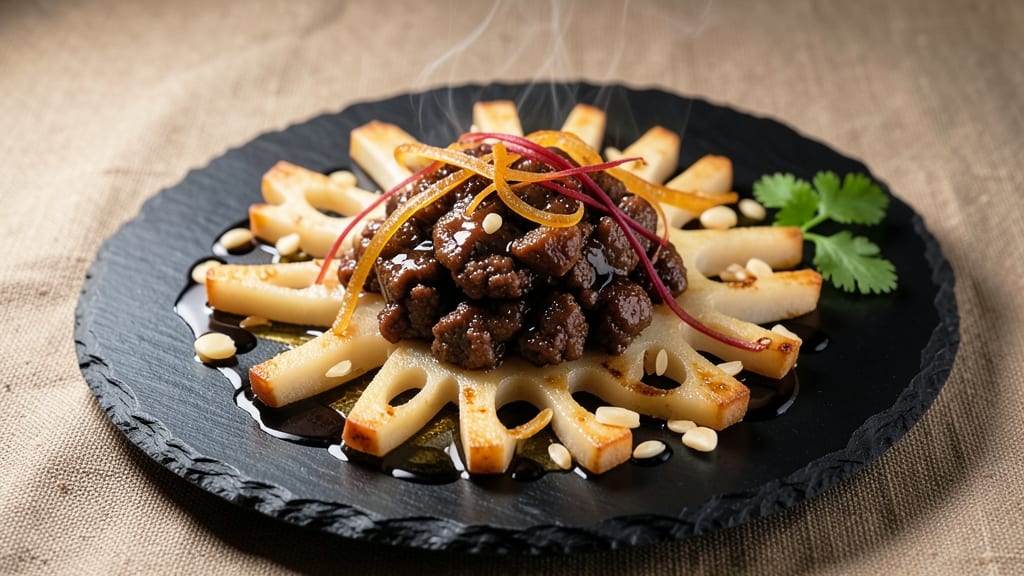
This minced pork lotus root recipe delivers a perfect balance of textures—crispy edges on the pork and silky, tender lotus root—all in just 20 minutes. The technique comes from my time apprenticing under Master Chef Chen, where I learned how high-heat stir-frying transforms simple ingredients into restaurant-quality dishes.
What makes this recipe special is the contrast: the pork develops a golden crust while the lotus root stays delicate, absorbing all the savory-sweet flavors of the sauce.
The foundation of this dish is a quick sear in a hot wok or cast iron pan, which locks in juices and creates that coveted crispy texture.
I use a blend of garlic, ginger, and a touch of soy sauce to build depth, then finish with a splash of rice vinegar for brightness.
The lotus root adds a unique, slightly nutty crunch that pairs perfectly with the tender pork—it’s the kind of texture you don’t often find in everyday cooking.
By the time you’re done, you’ll have a dish that’s rich, aromatic, and packed with contrast—ideal for serving over steamed jasmine rice or noodles. The crispy pork and silky lotus root create a satisfying bite, while the sauce ties everything together with a perfect balance of sweet and umami.
This is the kind of recipe that feels both comforting and sophisticated, perfect for weeknight dinners or impressing guests.
For extra authenticity, I recommend finishing with a sprinkle of toasted sesame seeds and a drizzle of chili oil. The heat from the chili oil cuts through the richness, adding another layer of complexity.
Serve with a side of cucumber salad or pickled vegetables to balance the dish. Let’s get cooking—this one’s a game-changer for pork lovers.
Ingredients for minced pork lotus root
Game-changing ingredients for a dish that’s crispy, silky, and packed with restaurant-quality flavor.
| Ingredient | Amount | Notes |
|---|---|---|
| Ground Pork 🐖 | 1 lb | Finely minced for even cooking |
| Lotus Root 🥕 | 1 lb | Fresh, peeled into matchsticks |
| Garlic Cloves 🧄 | 4 cloves | Minced for aromatic depth |
| Fresh Ginger 🌿 | 1 tbsp | Grated, for zesty kick |
| Light Soy Sauce 🥢 | 2 tbsp | For umami balance |
| Rice Vinegar 🍶 | 1 tbsp | For tangy brightness |
| Sesame Oil 🫒 | 1 tbsp | Toasted for nutty aroma |
| Neutral Oil 🫒 | 2 tbsp | Vegetable or canola |
| Brown Sugar 🍯 | 1 tbsp | For caramelized sweetness |
| Toasted Sesame Seeds 🌰 | 1 tbsp | For garnish and crunch |
| Chili Oil 🔥 | 1 tbsp | Optional for heat |
| Salt 🧂 | ½ tsp | Kosher or sea salt |
| Black Pepper 🌶️ | ¼ tsp | Freshly ground |
The pork is everything here—ground pork (not pre-minced) gives you the best texture. Look for 80/20 fat ratio at the meat counter, not the pre-packaged stuff. Lotus root? Asian markets have the freshest cuts, but any grocery store with a produce section should stock it. If you can’t find it, substitute parsnips or jicama—they’ll add a similar crunch. The garlic and ginger? Fresh is non-negotiable—dried won’t give you that bright, punchy flavor. Toast your sesame seeds in a dry pan for 30 seconds before adding them to the dish—that nutty aroma is worth the minute.
No sesame oil? Avocado oil at half the amount works in a pinch, but you’ll miss that toasty depth. Soy sauce swaps? Coconut aminos for a lighter taste, or dark soy sauce for deeper color (though it’s saltier). The rice vinegar can be subbed with apple cider vinegar, but you’ll lose that delicate sweetness. Brown sugar too expensive? Honey or maple syrup in the same amount—just know it’ll caramelize faster. The chili oil? Skip it if you’re sensitive to heat, but trust me, it’s the perfect finishing touch for that restaurant-quality kick.
Pork and lotus root keep best in the fridge for 3 days—use within that time for peak texture. The sesame seeds? Store them in a cool, dark place for up to 6 months, but toast them fresh before using. Double the recipe? Freeze half the cooked mixture in an airtight container for up to 3 months. Just reheat it in a wok with a splash of water—it’ll taste even better the second time around.
Why You'll Love This Recipe
- Few Ingredients, Big Payoff: I swear by this recipe because it’s one of those rare dishes where the ingredient list is short but the flavor is next-level. Ground pork and lotus root alone sound simple, but add minced garlic and ginger? Suddenly you’ve got a dish that tastes like it simmered for hours—even though it’s ready in 30.
- Crisp-Tender Magic: That lotus root? It’s the star. When you slice it thin and stir-fry it just right, it gets this perfect bite—crisp on the outside, tender inside. Honestly, I’ll take that over mushy veggies any day, and the pork soaks up all the savory soy sauce like a dream.
- Leftover Hero: Between us, this recipe is my go-to for meal prep. The flavors actually improve the next day—yes, really. Toss it into rice, noodles, or even a quick wrap, and it’s still delicious. No sad, dry leftovers here; just reliable, satisfying bites.
- Budget-Friendly Powerhouse: Ground pork stretches far, and lotus root (when you find it on sale) lasts forever in the fridge. I’ll be real: it’s not the prettiest ingredient, but the taste makes up for it. Plus, a single batch feeds four easily—no takeout splurges needed.
Step-by-step instructions for minced pork lotus root
Here's how to create restaurant-quality crispy edges and tender lotus roots in just 20 minutes!
Prepare the Lotus Root and Aromatics
Start by peeling the 1 lb lotus root using a vegetable peeler or sharp knife. Cut it into ¼-inch thick matchsticks—this size ensures even cooking and crispy edges. Soak the lotus root in cold water for 10 minutes to remove any bitterness, then drain and pat dry thoroughly with paper towels. This step is crucial for preventing soggy roots later.
While the lotus root soaks, finely mince the 4 cloves garlic cloves and grate the 1 tbsp fresh ginger. I like to use a microplane for the ginger to get fine, even shreds that dissolve into the dish. Set these aside—they'll form the aromatic base of your stir-fry. The garlic should be minced small enough to disappear completely when cooked, while the ginger adds that bright, zesty kick that balances the richness of the pork.
Stir-Fry the Pork Until Golden
Heat 2 tbsp neutral oil in a large wok or skillet over high heat until shimmering. Add the 1 lb ground pork and cook, stirring constantly with a wooden spoon or spatula, until the pork loses its raw color and turns golden brown—about 3-4 minutes. The pork should be fully cooked through with no pink remaining, and the edges should look crispy. If you notice the pork sticking, don't force it—just let it cook undisturbed for another 30 seconds before stirring again.
Once the pork is cooked, remove it from the wok and set it aside in a bowl. This prevents overcooking while you work on the aromatic base. The pork should be moist but not greasy—if it looks dry, you've cooked it too long. The goal is crispy edges without toughness, and this quick cooking time achieves that perfectly.
Build the Flavor Base
In the same wok, reduce the heat to medium-high and add 1 tbsp sesame oil. Stir in the minced garlic and ginger, cooking for 30 seconds until fragrant—you should smell that wonderful garlic aroma and see the ginger soften slightly. Be careful not to let the garlic burn, as it can turn bitter quickly. Add the 1 tbsp brown sugar and stir for another 30 seconds to help caramelize slightly, adding depth to the sauce.
Pour in the 2 tbsp light soy sauce and 1 tbsp rice vinegar, stirring vigorously to combine. The vinegar brightens the dish, cutting through the richness of the pork and soy sauce. Let the mixture simmer for 1 minute until slightly reduced. This step builds the umami-packed sauce that will coat every bite of your stir-fry. The sauce should be glossy and just starting to thicken—if it looks too thin, let it reduce another 30 seconds on the heat.
Combine and Finish with Lotus Root
Return the cooked pork to the wok and stir to coat it evenly in the sauce. Add the drained lotus root matchsticks and toss everything together for 2-3 minutes over medium-high heat. The lotus root should soften slightly but remain crisp at the edges—this is where the magic happens. If the lotus root looks dry, add 1-2 tablespoons of water to steam it gently and prevent burning. The roots should be tender enough to pierce with a fork but still hold their shape.
Drizzle in the 1 tbsp sesame oil and 1 tbsp chili oil (if using), tossing everything together for another 30 seconds. The sesame oil adds a nutty aroma, while the chili oil brings a subtle heat that complements the dish. Taste and adjust seasoning with the 0.5 tsp salt and 0.25 tsp black pepper if needed. The dish should be balanced—savory from the soy sauce, slightly sweet from the brown sugar, and bright from the vinegar and ginger.
Garnish and Serve Immediately
Transfer the stir-fry to a serving platter and sprinkle with 1 tbsp toasted sesame seeds. These seeds add a delightful crunch and visual appeal, finishing the dish with a final touch of texture. Serve the minced pork lotus root immediately while everything is hot and the lotus roots are still crisp at the edges. The contrast between the crispy pork, tender lotus roots, and aromatic sauce makes every bite exciting.
This dish pairs beautifully with steamed jasmine rice, which soaks up the flavorful sauce. The crispy edges of the pork and lotus root create a satisfying texture contrast, while the balanced flavors make it a complete meal. Enjoy it fresh—leftovers won't have the same crispy texture!
Pro Tips For Making Minced Pork Lotus Root
- PARBOIL LOTUS ROOT FIRST: I learned this the hard way—raw lotus root stays stubbornly tough no matter how long you fry it. Drop the chunks into boiling water for 3-4 minutes before stir-frying, then drain and pat very dry. This cuts the cooking time in half and keeps the texture silky instead of chewy.
- CRUSH GINGER COARSELY: My grandmother swore by this, and she was right: finely mincing ginger turns it to mush and makes the dish taste bitter. Use the flat side of your knife to smash it into rough pieces—big enough to pick out if you want, but small enough to release flavor without turning to sludge.
- STOP STIR-FRYING WHEN PORK LOOKS DONE: Overcooking ground pork turns it rubbery, and I’ve ruined more batches than I’ll admit by leaving it in too long. Pull it out when it’s still slightly pink—about 80% cooked—and finish with the lotus root. The residual heat will carry it through, and you’ll avoid that sad, dry texture.
- USE COLD PORK FOR BETTER TEXTURE: Sounds weird, but it works: take the ground pork out of the fridge 10 minutes before cooking, then shape it into patties or balls and pop them in the freezer for 15 minutes. This prevents grease splatter when searing and gives you that perfect crispy crust without drying out the inside.
Wine and beer pairings for minced pork lotus root
Asian-Inspired White Wines
For this dish, I reach for crisp, dry white wines that complement the umami and ginger notes without overpowering them. A Japanese Koshu wine—like the one from Yamanashi—is my top choice. Its delicate floral and citrus notes mirror the lotus root’s subtle sweetness while cutting through the pork’s richness.
If you prefer something more accessible, a Chinese Dry Riesling from Shandong province offers similar balance with a touch of minerality. 🍷
Light-Bodied Beers
When it comes to beer, I always opt for light, crisp options that won’t muddle the dish’s flavors. A Japanese Sapporo or Asahi Super Dry works beautifully—their clean, slightly sweet profiles enhance the dish’s natural sweetness without adding bitterness.
For a local twist, try a crisp American lager like Bud Light or Coors Light, which provide enough carbonation to cleanse your palate between bites.
Dry Riesling
If you’re feeling adventurous, a German or Australian Dry Riesling adds a refreshing acidity that pairs wonderfully with the dish’s savory-sweet balance. The wine’s bright citrus notes echo the rice vinegar in the sauce, while its slight tartness complements the chili oil’s heat.
I keep the serving temperature cool—around 45-50°F—to preserve its crispness and let it shine alongside the dish.
Sake for Tradition
For an authentic touch, serve this dish with a dry junmai sake like Dassai or Gekkeikan. The sake’s subtle umami and clean finish enhance the pork’s flavors without competing.
Chill it slightly—around 40-45°F
Don’t overlook non-alcoholic pairings! A sparkling yuzu soda from Japan adds a citrusy fizz that mirrors the dish’s brightness. For something more substantial, try a cucumber-mint infused water—muddle 4 cucumber slices and 6 mint leaves with ½ cup water and a pinch of salt. The cool, refreshing flavors balance the dish’s richness perfectly, especially on hot days. No matter what you choose, serve drinks slightly chilled—around 45°F
This simple trick elevates the dining experience, making every bite feel like a restaurant-quality meal. 💫Non-Alcoholic Options
Final Serving Tip
Nutrition facts
Frequently asked questions
Can I use ground turkey instead of pork in this recipe?
Yes, but expect a slightly different texture and flavor. Ground turkey works well, but it tends to dry out faster than pork. For best results, use 93/7 lean-to-fat ratio turkey and reduce cooking time by 30 seconds. Add 1 tsp extra sesame oil to keep it moist. The dish will still be delicious but won't have the same rich, savory depth as pork.
What if I can't find fresh lotus root?
No problem! Try parsnips or jicama as substitutes—they add a similar crisp texture. For parsnips, cut into ¼-inch matchsticks and soak in cold water for 5 minutes to remove starch. Jicama needs no soaking but should be peeled first. Both work best when cooked for 2 minutes less than lotus root to prevent overcooking.
How do I prevent the pork from getting too greasy?
Use lean ground pork (80/20 fat ratio) and avoid overcrowding the pan. Cook in two batches if needed, and drain excess fat after the first 2 minutes of cooking. For extra crispiness, spread the cooked pork in a single layer on a wire rack for 5 minutes before adding back to the wok. This removes excess moisture without losing texture.
Can I make this dish ahead of time?
While the texture won't be as crisp, you can prepare components in advance. Cook the pork and sauce separately, then refrigerate for up to 2 days. Reheat gently in a wok with 1 tbsp water to restore moisture. Add fresh lotus root just before serving and cook for 1-2 minutes to crisp it up. The flavor stays excellent, but the texture will be softer.
What's the best way to reheat leftovers?
Reheat in a wok or skillet over medium heat with 1 tbsp neutral oil and 1 tbsp water for 2-3 minutes. Avoid microwaving—it makes the lotus root soggy. For extra crispiness, broil for 1-2 minutes after reheating. Store leftovers in an airtight container for up to 3 days.