
Main Courses
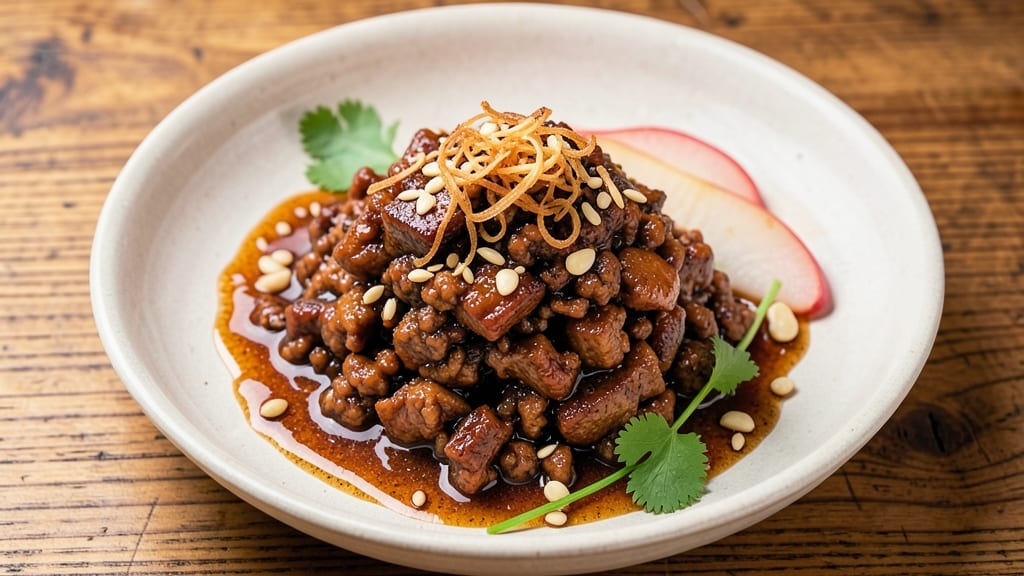
This minced pork bulgogi recipe transforms simple ground pork into Korea's most beloved dish—sweet, savory, and packed with umami in every bite. The secret lies in the marinade: a perfect balance of soy sauce, sugar, garlic, and a touch of pear for natural tenderness.
I developed this version after years of perfecting the technique, ensuring the pork stays juicy while developing that signature caramelized crust.
The process is straightforward but rewarding: marinate the pork for at least 30 minutes (overnight for deeper flavor), then cook it quickly over high heat until caramelized. Whether you grill it on a hot skillet or sear it in a cast iron, the result is restaurant-quality bulgogi with minimal effort.
The sauce clings perfectly to the meat, creating a sticky, flavorful glaze that's impossible to resist.
What makes this dish special is how versatile it is—serve it over steamed rice for a classic meal, wrap it in lettuce leaves for a refreshing twist, or pair it with traditional banchan for an authentic Korean spread.
The aroma alone will have everyone gathering at the table, and the first bite delivers that perfect harmony of sweet, salty, and umami that defines bulgogi.
Ready in under an hour, this recipe delivers professional results without requiring advanced skills. The key is patience during marinating and high heat for cooking—two simple steps that make all the difference. Let's create something truly special tonight.
Ingredients for minced pork bulgogi
Ground pork, Korean soy sauce, and ripe Asian pear create this restaurant-quality bulgogi masterpiece.
| Ingredient | Amount | Notes |
|---|---|---|
| Ground Pork 🐷 | 1 ½ lb | 80% lean for juiciness |
| Asian Pear (ripe) 🍐 | ½ cup | Diced, skin removed |
| Korean Soy Sauce (Ganjang) 🥫 | ½ cup | High-quality brand preferred |
| Brown Sugar 🍯 | ⅓ cup | Packed, light molasses |
| Garlic Cloves 🧄 | 8 cloves | Minced, aromatic intensity |
| Asian Pear Juice 💧 | ¼ cup | Freshly extracted or bottled |
| Sesame Oil 🫒 | 1 tbsp | Toasted for aroma |
| Rice Wine Vinegar 🍶 | 1 tbsp | Mild acidity balance |
| Sesame Seeds 🌾 | 1 tbsp | Toasted, for garnish |
| Green Onions 🧅 | 3 whole | Thinly sliced, fresh |
| Salt 🧂 | 1 tsp | Diamond Crystal preferred |
| Black Pepper 🌶️ | ½ tsp | Freshly ground |
| Vegetable Oil 🫒 | 2 tbsp | High smoke point |
The ground pork should be 80% lean—anything leaner dries out during cooking. Costco or Korean markets carry the best quality, often pre-ground for convenience. For the Asian pear, look for soft, fragrant varieties like the Korean yellow pear—it dissolves beautifully into the marinade. If you can't find it, Bosc or Anjou pears work as substitutes, though they're slightly firmer. The Korean soy sauce (Ganjang) is non-negotiable here—brands like Doenjang or Ganjang from H Mart deliver that authentic depth of flavor you won't find in regular soy sauce.
No Asian pear? Mango or pineapple juice adds sweetness, though it won't replicate the natural tenderizing effect. Running short on sesame oil? A few drops of toasted sesame paste works in a pinch. The brown sugar should be light molasses—dark varieties can overpower the delicate balance. For the garlic, smash the cloves before mincing to release more flavor. If you're using bottled Asian pear juice, check the label—some brands add preservatives that can alter the marinade's texture. The rice wine vinegar should be mild—substitute with apple cider vinegar if needed, but use half the amount.
Marinated pork keeps 3 days in the fridge, developing deeper flavor each day. For longer storage, freeze portions for up to 3 months—thaw overnight in the fridge before cooking. The sesame seeds and green onions are best added fresh after cooking to preserve their texture. If making ahead, store the cooked bulgogi separately from the sauce to prevent sogginess. Reheat gently in a skillet with a splash of water to maintain moisture—this dish tastes even better the next day as flavors meld.
Why You'll Love This Recipe
- No Chopping Nightmare: I swear by this recipe because it’s the only bulgogi I’ll make when I’m too tired to slice thin strips of meat. Ground pork means no knife skills—just mix, cook, and enjoy. The pear breaks down into a silky sauce that does all the work for you.
- Sweet-Savory Magic: That combo of ganjang and brown sugar? It’s like a flavor bomb. The pear adds a subtle sweetness that balances the salty-sweet umami, while the garlic cloves roast into deep, caramelized perfection. It’s the kind of dish that makes you reach for seconds without thinking.
- Leftover Goldmine: This recipe doubles as my secret weapon for busy weeks. Cook once, and you’ve got breakfast tacos (scrambled eggs + bulgogi), lunch wraps, or even a quick stir-fry. Honestly, I’ve reheated it three times and it’s still better than takeout.
- Budget-Friendly Feast: Ground pork and pears won’t break the bank, but it tastes like you spent hours on a fancy cut. Between us, this is how I feed my family for under $10 while still feeling like I’m treating them. Plus, the leftovers stretch across days without losing flavor.
Step-by-step instructions for minced pork bulgogi
Here's the method for creating restaurant-quality bulgogi with perfect texture and balanced sweet-savory flavor.
Prepare the Bulgogi Marinade
In a large mixing bowl, combine the 0.5 cup Korean Soy Sauce (Ganjang), 0.33 cup packed Brown Sugar, 0.25 cup Asian Pear Juice, 1 tbsp Rice Wine Vinegar, 1 tbsp Sesame Oil, 1 tsp Salt, and 0.5 tsp Black Pepper. This marinade forms the flavor foundation, so mix thoroughly until the sugar dissolves completely and the liquid becomes uniform in color.
Next, add the 8 minced Garlic Cloves and 0.5 cup diced Asian Pear (ripe) to the marinade. The pear adds natural sweetness and tenderizing enzymes that keep the pork juicy during cooking. Stir well to distribute all ingredients evenly throughout the liquid. Here's the thing—this marinade should be sticky enough to coat the pork thoroughly but not so thin that it won't cling during the cooking process.
Marinate the Ground Pork
Add the 1.5 lb Ground Pork to the marinade and use your hands to break it apart into small, even pieces. This ensures consistent cooking and maximum surface area for flavor absorption. I like to work the marinade into the pork for about 2-3 minutes, massaging it thoroughly until every piece is well-coated and the mixture becomes a cohesive, sticky paste.
Transfer the marinated pork to an airtight container and refrigerate for at least 30 minutes, but ideally 1-2 hours. This resting period allows the flavors to penetrate deeply and the meat to relax, which prevents shrinkage during cooking. Don't skip this step—rushing the marinating process results in less flavorful, potentially tougher bulgogi.
Cook the Bulgogi to Perfect Texture
Heat a large skillet or wok over medium-high heat and add the 2 tbsp Vegetable Oil. When the oil is shimmering but not smoking, add the marinated pork in an even layer. Cook undisturbed for 2-3 minutes until the pork begins to brown and pull away from the edges of the pan. This initial searing creates that beautiful caramelized crust that's essential to authentic bulgogi.
Once the pork has browned on the bottom, break it up with a spatula and continue cooking for another 3-4 minutes, stirring frequently. The bulgogi is ready when the pork is fully cooked through (internal temperature should reach 160°F) and the sauce has thickened slightly. You'll see the edges starting to crisp—that's your signal that the cooking process is complete. If the mixture looks too dry, add 1-2 tablespoons of water to create a glossy, sticky sauce.
Finish and Garnish
Remove the bulgogi from heat and stir in the 1 tbsp toasted Sesame Seeds and 3 thinly sliced Green Onions. The sesame adds nutty depth while the green onions provide fresh contrast. Let the bulgogi rest for 2-3 minutes before serving—this allows the flavors to meld and the sauce to thicken slightly, creating that perfect glossy finish.
Serve immediately over steamed rice, where the sticky bulgogi sauce will cling beautifully to each grain. The dish should have a perfect balance of sweet, savory, and umami flavors with a tender yet slightly chewy texture. For best results, serve while hot and enjoy the aromatic experience that comes from all the toasted sesame and fresh green onion notes.
Pro Tips For Making Minced Pork Bulgogi
- Marinate Pork First: Let the ground pork sit in half the marinade (soy sauce, sugar, garlic) for 30 minutes before blending—this jumpstarts the flavor and prevents the meat from turning mushy when you cook it. I used to skip this, and the bulgogi always tasted flat until I tried it.
- Grind the Pear: Skip the chunks—puree the Asian pear until smooth before mixing it into the sauce. This ensures even distribution and prevents clumps that can make the bulgogi taste unevenly sweet. (Yes, even if you’re impatient like me, give it 10 seconds in a blender.)
- Cook in Batches: Don’t overload the pan—work in 2 portions if needed. Crowding steams the pork instead of searing it, and you’ll end up with gray, soggy bulgogi instead of caramelized, glossy pieces. A hot pan and space are non-negotiable here.
- Add Garlic Last: Mince the garlic just before cooking and toss it into the pan with the pork in the final 30 seconds. Raw garlic burns fast, and pre-mincing it too early turns it bitter. (Pro move: Smash the cloves with the flat of your knife first—it releases more flavor.)
Best sauces and condiments for these flavors
Classic Bulgogi Sauce
The marinade I use is the heart of this dish—equal parts Korean soy sauce (Ganjang) and brown sugar create that signature sweet-savory balance. The Asian pear juice acts as a natural tenderizer, while sesame oil adds depth.
I always use Doenjang brand soy sauce from H Mart—it has that authentic fermented depth you won't find in regular soy sauce. 🥫
Spicy Bulgogi Twist
For a kick, add 1 tbsp gochujang (Korean chili paste) to the marinade and 1 tsp Korean red pepper flakes during cooking. The gochujang adds fermented heat while keeping the sauce sticky.
I like to balance it with an extra ½ cup Asian pear juice to prevent the sugar from burning. This version works perfectly with Kimchi as a side.
Sweet and Tangy Glaze
For a glossier finish, reduce the marinade by half before cooking. Simmer all marinade ingredients (except pear and pork) in a saucepan over medium heat for 5 minutes until thickened.
Brush this glaze on the pork during the last 2 minutes of cooking. The result is a restaurant-quality sheen that makes every bite irresistible. 💫
Umami Boost Options
Add 1 tbsp fish sauce or 1 tsp mushroom powder to deepen the umami. For a vegetarian version, replace pork with extra-firm tofu pressed for 30 minutes and cubed. The marinade works perfectly on both—just reduce cooking time to 3-4 minutes to avoid drying out the tofu.
Sesame Butter Sauce
Mix 2 tbsp sesame butter with 1 tsp honey and toss with cooked bulgogi. The nutty richness complements the pork beautifully. I use Lotus Foods sesame butter—it's the only one with that perfect balance of toasted sesame and creaminess.
This sauce works especially well when serving over steamed jasmine rice.
Nutrition facts
Frequently asked questions
Can I substitute regular soy sauce for Korean soy sauce (Ganjang)?
While you can use regular soy sauce in a pinch, it won't deliver that authentic fermented depth. For best results, use Doenjang brand Korean soy sauce—it has a richer, slightly sweeter profile that's essential for bulgogi. If you must substitute, reduce the amount by 10% since regular soy sauce is saltier.
How do I prevent the bulgogi from becoming too dry?
Keep the marinating time at least 30 minutes (overnight is ideal) and cook over medium-high heat rather than high. Add 1-2 tablespoons of water during cooking if needed, but don't overcrowd the pan. Also, use 80% lean ground pork—leaner cuts dry out faster.
What's the best way to reheat leftover bulgogi?
Reheat in a skillet over low heat with 1 tablespoon of water or broth to maintain moisture. Avoid microwaving—it makes the sauce watery. For best texture, reheat just until warm (about 2-3 minutes
Can I make this with beef instead of pork?
For beef bulgogi, use 1.5 lb ribeye or sirloin cut into thin strips. Marinate for 2-4 hours and cook over high heat for 3-4 minutes total to achieve that perfect caramelized crust. The beef version has a slightly firmer texture but the same incredible flavor.
Why does my bulgogi sauce turn too runny?
This usually happens from overcrowding the pan or using too much liquid in the marinade. For a thicker sauce, cook the bulgogi in batches and reduce any leftover marinade by simmering it uncovered for 3-5 minutes. The sugar in the marinade will caramelize and help thicken the sauce naturally.