
Main Courses
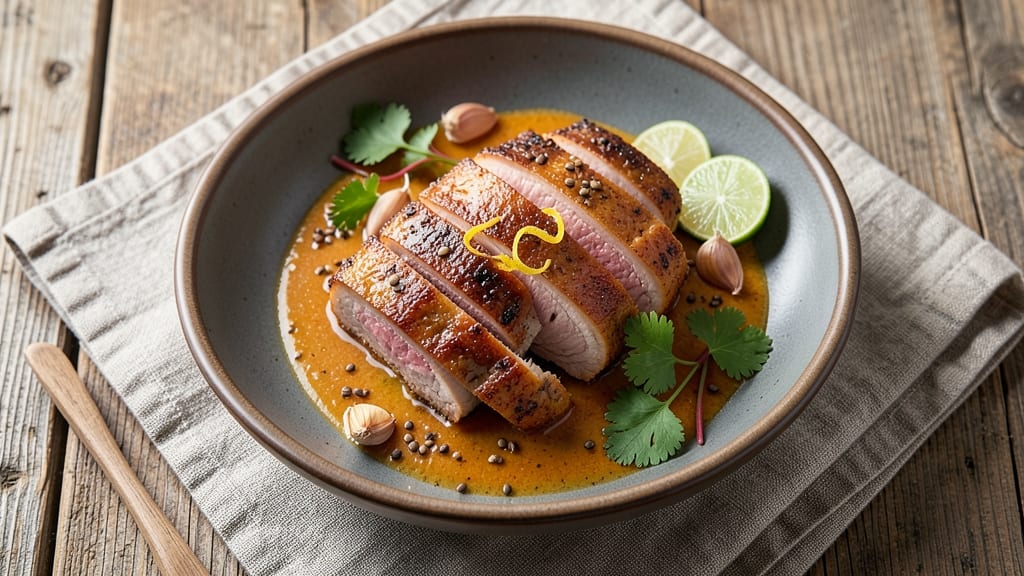
Achiote pork transforms simple pork into a vibrant, aromatic masterpiece with just a few hours of marinating. This recipe brings the rich, earthy flavors of Latin America to your kitchen, where achiote's signature reddish hue and smoky notes create pork so flavorful it becomes the centerpiece of any meal.
The secret lies in the marinade—achiote paste, citrus, and spices working together to tenderize while building layers of complex flavor.
What makes this recipe special is the balance between crispy edges and tender meat inside, achieved through precise cooking techniques. Whether you grill, bake, or braise, the pork develops a caramelized crust that contrasts beautifully with its juicy interior.
The marinade not only infuses flavor but also adds a stunning color that makes every bite visually appealing.
By the time you serve this dish, you'll have pork that's rich with achiote's distinctive aroma and smoky depth, perfectly balanced with bright citrus notes. The crispy edges add texture that keeps every bite exciting, while the tender meat melts in your mouth.
This is the kind of pork that makes people ask for seconds—ideal for family gatherings, festive occasions, or any night you want to impress.
Pair it with steamed white rice, fried plantains, or a fresh salsa for a complete meal that transports you to the Caribbean with every bite. The flavors develop best when marinated overnight, but even a few hours makes a noticeable difference in both taste and texture. Let's get cooking!
Ingredients for achiote pork
These vibrant ingredients transform simple pork into a showstopping Caribbean feast.
| Ingredient | Amount | Notes |
|---|---|---|
| Achiote Paste 🌶️ | 2 tbsp | Natural or store-bought, vibrant color |
| Orange Juice 🍊 | 1 cup | Freshly squeezed for brightness |
| Lime Juice 🍋 | ½ cup | Freshly squeezed for tang |
| Pork Shoulder 🥩 | 3 lb | Boneless, cut into 2-inch chunks |
| Garlic Cloves 🧄 | 6 cloves | Minced for deep flavor |
| Ground Cumin 🌿 | 1 tbsp | Toasted for warmth |
| Ground Coriander 🌿 | 1 tbsp | Freshly ground preferred |
| Dried Oregano 🍃 | 1 tbsp | Mexican oregano if available |
| Bay Leaves 🍃 | 2 whole | Fresh for best aroma |
| Olive Oil 🫒 | ½ cup | Extra-virgin for richness |
| Salt 🧂 | 2 tsp | Kosher or sea salt |
| Black Pepper 🌶️ | 1 tsp | Freshly ground preferred |
| Brown Sugar 🍯 | 2 tbsp | For caramelized edges |
| White Vinegar 🍶 | 1 tbsp | Balances flavors |
The achiote paste is non-negotiable here—it's what gives this dish its signature reddish hue and smoky depth. Trader Joe's and Latin markets carry the best quality, but Penzeys also has a great option if you can't find it locally. Look for a paste that's deeply colored and smells earthy, not stale. The pork shoulder is your canvas—boneless and cut into even 2-inch chunks ensures even cooking. If you're buying a whole shoulder, ask your butcher to trim it for you. The citrus juices should be freshly squeezed (the grocery store bottles just don't cut it), and the garlic? Toast the minced cloves in olive oil for 30 seconds first—this brings out their sweetness and depth.
No achiote paste? Annatto seeds steeped in warm oil works in a pinch—just crush 1 tsp seeds in 2 tbsp oil and let sit for 15 minutes. Short on orange juice? Grapefruit juice at half the amount adds a nice tartness. The spices here are flexible—dried oregano can be swapped for marjoram if you're out, but the cumin and coriander are essential for that authentic Latin flavor profile. The brown sugar might seem odd, but it's what creates those beautiful caramelized edges when cooking. Trust me on this one—it's worth the extra minute to mix it in thoroughly with the marinade.
Marinate the pork for at least 4 hours—overnight is ideal if you can plan ahead. The flavors deepen dramatically after 6 hours, so don't rush it. Store the marinade (without pork) in a sealed jar in the fridge for up to 1 week, and the cooked pork reheats beautifully—just warm in a skillet with a splash of water or broth. For leftovers, portion into containers with some of the marinade for extra moisture, and they'll keep for 3-4 days in the fridge or 3 months frozen.
Why You'll Love This Recipe
- One-Pot Magic: I swear by this recipe when I’m too tired to wash dishes—just sear the pork, toss in the achiote paste and citrus, and let it slow down. The flavors meld together while you do literally anything else.
- Citrus Kiss: That bright orange-lime punch cuts through the richness of the pork shoulder like a breath of fresh air. Honestly? The first time I tasted it, I immediately went back for seconds—no one in my house could believe it was just pork.
- Meal Prep Hero: Between us, this is my go-to for Sunday dinners. The leftovers reheat beautifully for tacos, sandwiches, or even a quick stir-fry. My kids beg for it all week long—no takeout needed.
- Budget Stretch: Pork shoulder is cheap, and a little achiote paste goes a long way. I’ve fed six people for under $15, and no one ever guesses it’s not some fancy restaurant dish. (Yes, even on a Tuesday night.)
Step-by-step instructions for achiote pork with crispy edges
Here's how to transform simple ingredients into tender, smoky pork with perfectly caramelized edges.
Create the Vibrant Achiote Marinade
In a large bowl, whisk together the 2 tbsp achiote paste with the 1 cup orange juice and 0.5 cup lime juice until the paste dissolves completely and the mixture turns a rich, golden-orange color. This vibrant marinade is what gives the pork its signature smoky-anatto flavor and tender texture.
Next, add the 0.5 cup olive oil, 2 tbsp brown sugar, 1 tbsp white vinegar, 2 tsp salt, 1 tsp black pepper, 1 tbsp ground cumin, 1 tbsp ground coriander, 1 tbsp dried oregano, and 2 whole bay leaves. Stir everything together until fully combined and the spices are evenly distributed throughout the marinade. The sugar and vinegar will help create those beautiful caramelized edges later.
Marinate the Pork Shoulder
Place the 3 lb pork shoulder in a large resealable plastic bag or a shallow dish. Pour the achiote marinade over the pork, making sure it's completely coated on all sides. If using a bag, seal it tightly and massage the pork to ensure even distribution of the marinade. For best results, refrigerate the pork for at least 4 hours, but overnight is ideal for maximum flavor penetration.
Here's the thing—this marinating time isn't just about flavor, it's about tenderness. The acid in the citrus and vinegar breaks down the tough muscle fibers in the pork, while the spices and achiote work their magic to create that beautiful crust we're after. Don't skip this step if you want that perfect texture.
Preheat and Sear the Pork
Remove the pork from the refrigerator about 30 minutes before cooking to bring it to room temperature. Preheat your oven to 325°F and place a rack in the lower third of the oven. This lower position is key for even cooking and crispy edges.
Heat a large oven-safe skillet over medium-high heat and add the marinated pork shoulder. Sear the pork on all sides until it develops a deep golden-brown crust, about 5-7 minutes per side. You'll know it's ready when the edges are crispy and the pork releases easily from the pan. This searing step is crucial—it locks in juices and creates that beautiful bark we want.
Braise for Tender Perfection
Transfer the seared pork to a plate and carefully pour any accumulated juices from the skillet back over the pork. Place the skillet in the preheated oven and cover tightly with a lid or foil. Braise the pork for 2 to 2.5 hours until the internal temperature reaches 195-203°F and the meat is fork-tender with no resistance.
Real talk: Your oven might run hot or cold, so start checking the temperature after 2 hours. The pork should pull apart easily when you test it with a fork. If it needs more time, continue cooking in 15-minute increments until it reaches the perfect tenderness. The longer it cooks, the more flavorful it becomes.
Rest and Slice for Maximum Juiciness
Once the pork reaches the perfect temperature, remove it from the oven and transfer it to a cutting board. Let it rest for at least 15 minutes before slicing. This resting period is essential—it allows the juices to redistribute throughout the meat, ensuring each slice is moist and flavorful.
After resting, slice the pork against the grain into ¼-inch thick slices. The meat should be incredibly tender, falling apart easily, with a beautiful golden-brown crust on the outside. Serve immediately with the pan juices spooned over the top for that extra burst of flavor. The result is a dish that's packed with smoky, citrusy, and spiced notes—perfect for tacos, sandwiches, or served with rice and beans.
Pro Tips For Making Achiote Pork
- Brown the Pork First: Skip the slow start—sear the pork shoulder in batches over medium-high heat until it’s deeply golden. The crust locks in flavor and prevents the achiote paste from turning into a sad, thin sauce. (Yes, even if you’re impatient like me, don’t rush this.)
- Bloom the Achiote: Heat the achiote paste in a cold pan with oil first, stirring constantly for 2-3 minutes until it darkens and smells earthy. This step makes the color richer and the flavor deeper—skipping it means your pork will taste muted, like it’s missing something.
- Use Fresh Lime Juice: Bottled lime juice works, but fresh is non-negotiable here. The acidity brightens the achiote’s smoky notes and cuts through the pork’s richness. If you’re using bottled, add a pinch of salt to compensate—it’s not the same, but it’s better than nothing.
- Simmer Low and Slow: After braising, reduce heat to the lowest possible setting and let the pork cook until it’s fork-tender (about 3-4 hours). High heat now will make the sauce turn to glue, and the pork will dry out. Trust the process—it’s the only way to get that fall-apart texture.
Troubleshooting this recipe
Marinade Color Issues
If your achiote marinade looks dull or pale instead of that vibrant golden-orange, you're likely dealing with old or low-quality achiote paste. I've seen this happen when using expired paste or when the paste hasn't been properly activated.
To fix it, whisk in 1 tsp apple cider vinegar and let it sit for 10 minutes—this will help restore the color. For future batches, always buy fresh paste from Latin markets or specialty stores like Penzeys, and store it in the fridge after opening.
The paste should smell earthy and slightly sweet, not musty or sour. 🌶️
Pork Remaining Tough
The most common reason for tough pork is insufficient marinating time or incorrect cooking temperature. First, ensure you marinate for at least 4 hours—overnight is ideal. If your pork still feels tough after cooking, it likely didn't reach the proper internal temperature.
Use a meat thermometer to check for 195-203°F—anything below 190°F will be tough. I've found that cooking at 325°F in a covered skillet gives the best results. If you're in a hurry, try a 3-hour cook at 350°F, but monitor closely to avoid drying it out.
Uneven Cooking
Uneven cooking often happens when pork chunks vary in size or when they're crowded in the pan. For consistent results, cut your pork into even 2-inch chunks (about 1.5-2 oz each) and arrange them in a single layer in your skillet.
If you're cooking more than 3 lbs at once, divide it into two batches to prevent steaming instead of searing. I also recommend using a heavy-bottomed skillet like a Lodge cast iron—it distributes heat more evenly.
If you notice some pieces cooking faster, rotate the pan occasionally for even browning.
Marinade Not Sticking
If the marinade isn't clinging to the pork, it's usually because the pork is too dry or the marinade isn't acidic enough. First, pat the pork dry with paper towels before marinating—this helps the seasoning adhere better.
Then, add 1 extra tbsp of citrus juice (either orange or lime) to boost acidity. For extra insurance, I like to mix 1 tsp cornstarch with 1 tbsp water, brush it on the pork, and let it sit for 10 minutes before adding the marinade.
This creates a slight barrier that helps the flavors penetrate deeper.
Burnt Edges Too Fast
Getting burnt edges before the pork is fully cooked happens when the heat is too high or the sugar in the marinade caramelizes too quickly. To prevent this, start searing over medium heat (not high) and reduce to medium-low once the pork starts to brown.
If you notice the edges darkening too quickly, move the pan to a cooler part of the stovetop or reduce heat immediately. For extra protection, I sometimes sprinkle ½ tsp baking soda over the marinade before searing—it helps control caramelization while keeping the edges crispy. 🔥
Flavor Too Mild
Mild flavor usually means the marinating time was too short or the spices weren't fresh. First, double-check your spice dates—ground spices lose potency quickly. For a flavor boost, add ½ tsp smoked paprika or ¼ tsp cayenne pepper to your marinade.
If you're short on time, marinate for 6 hours instead of overnight, but increase the achiote to 3 tbsp for more intensity. Another trick I use is to toast the spices in a dry skillet for 30 seconds before mixing them into the marinade—this intensifies their aroma and flavor dramatically.
Nutrition facts
Frequently asked questions
What makes achiote pork different from regular pork dishes?
The achiote paste gives this pork its signature reddish hue and distinctive smoky, earthy flavor that's unique to Latin and Caribbean cuisine. Unlike traditional pork dishes, this recipe uses a marinade packed with citrus, spices, and achiote that tenderizes the meat while creating a beautiful caramelized crust. The combination of achiote's natural annatto color and the citrus brightens the dish, making it more vibrant and aromatic than standard pork preparations.
Can I use achiote seeds instead of paste for this recipe?
Yes! If you only have whole achiote seeds, you can make your own paste by grinding 1 tsp seeds into a fine powder and mixing it with 2 tbsp warm oil. Let it steep for 15 minutes before using in the marinade. The seeds will release their vibrant color and smoky flavor, though the texture might be slightly grainier than store-bought paste. Just strain out any large particles before using if you prefer a smoother marinade.
How do I know when the pork is fully cooked?
Use a meat thermometer to check the internal temperature—it should reach 195-203°F for perfectly tender pork. The meat should pull apart easily with a fork when tested. If you don't have a thermometer, cut into a small piece: the juices should run clear, and the meat should feel tender but not mushy. Remember, pork continues cooking slightly after you remove it from heat, so pull it out when it's just shy of the upper range.
Can I grill this achiote pork instead of baking it?
Grilling works beautifully for this recipe. Marinate the pork as directed, then grill over medium heat for 10-12 minutes per side, turning occasionally, until the internal temperature reaches 195°F. For extra smokiness, add ½ tsp chipotle powder to the marinade. Just be sure to let the pork rest for 15 minutes before slicing to prevent juices from running out. The grill imparts a wonderful charred flavor that pairs perfectly with the achiote's smokiness.
What are the best ways to serve this achiote pork?
This versatile dish works perfectly in tacos, sandwiches, or as a main course with rice and beans. For tacos, warm corn tortillas and top with sliced pork, pickled onions, avocado, and a squeeze of lime. As a sandwich, pile it on crusty bread with shredded cabbage and chipotle mayo. For a complete meal, serve with steamed white rice, black beans, and grilled plantains. The pork's rich flavor pairs especially well with fresh salsas or a simple tomato-onion relish.