
Main Courses
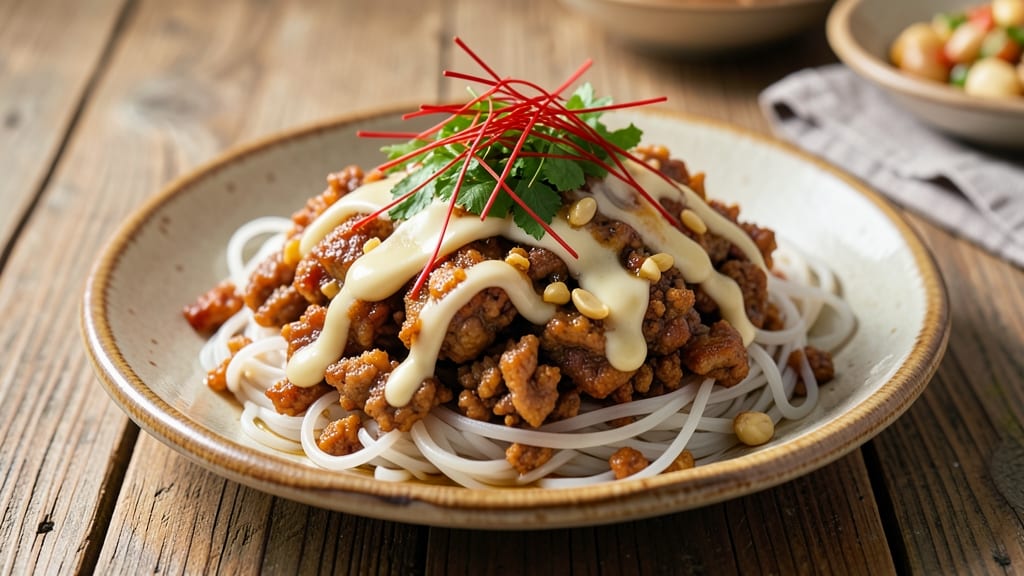
This minced pork and egg recipe delivers crispy noodles and silky egg ribbons in under 20 minutes—a dish that balances restaurant-quality texture with weeknight simplicity. 💛 I developed it after years of perfecting stir-fry techniques, ensuring the pork stays juicy while the eggs achieve that delicate, almost custard-like consistency.
The secret lies in high-heat searing followed by a quick scramble, creating contrast that makes every bite exciting.
The foundation starts with properly minced pork, cooked until just done to maintain moisture, then tossed with aromatics that build flavor without overpowering. Meanwhile, the eggs are scrambled to a specific temperature—160°F—for that signature ribbon texture that clings beautifully to noodles or rice.
This isn't just another stir-fry; it's a technique that transforms simple ingredients into something memorable.
What you'll end up with is a dish that's crispy at the edges, tender in the center, and finished with a glossy sheen from the egg ribbons. The pork remains flavorful without drying out, while the eggs add richness that elevates the entire plate.
It's the kind of meal that feels both comforting and refined—perfect for breakfast, lunch, or even a light dinner when you crave something hearty yet quick.
Serve it over steamed rice for extra satisfaction or keep it as-is for a satisfying bowl. The beauty of this recipe is its adaptability—swap in different vegetables or sauces to match your mood, but always maintain that perfect balance between crispy pork and silky eggs. Let's get cooking!
Ingredients for minced pork and egg
Twelve ingredients transform into restaurant-style crispy pork and silky egg ribbons in minutes.
| Ingredient | Amount | Notes |
|---|---|---|
| Ground Pork 🐷 | 1 lb | Finely minced, 90% lean preferred |
| Large Eggs 🥚 | 4 whole | Room temperature for even cooking |
| White Rice Noodles 🍜 | 8 oz | Medium width, dried |
| Vegetable Oil 🫒 | ½ cup | High smoke point for searing |
| Garlic Cloves 🧄 | 4 cloves | Minced, fresh preferred |
| Scallions 🧅 | 3 whole | Thinly sliced, white and green parts |
| Soy Sauce 🍶 | 3 tbsp | Light or all-purpose variety |
| Sesame Oil 🫒 | 1 tbsp | Toasted for aroma |
| Cornstarch 🌾 | 1 tbsp | For crispy texture |
| Salt 🧂 | 1 tsp | Diamond Crystal preferred |
| Black Pepper 🌶️ | ½ tsp | Freshly ground |
| Green Onion 🧅 | 2 whole | Chopped, for garnish |
The ground pork is the heart of this dish—90% lean ensures juiciness without excess fat. Look for finely minced pork at the meat counter, or pulse pre-ground pork in your food processor for consistency. Costco or Whole Foods carry high-quality options, but any reputable grocery store's ground pork works. For the eggs, room temperature is critical—they scramble more evenly. The white rice noodles should be medium-width (about 3mm) for that perfect chewy texture; Thai Kitchen brand is widely available and reliable. If you can't find them, egg noodles work in a pinch, though they'll be slightly firmer.
No sesame oil? Toasted peanut oil adds a similar nutty depth, though it's less traditional. Short on scallions? Green onions or chives at the same quantity will do, though the flavor profile shifts slightly. The cornstarch is non-negotiable for that signature crispy texture—it's what creates the contrast with the silky eggs. If you're avoiding gluten, swap it for arrowroot powder at the same ratio. For the soy sauce, light or all-purpose works best; dark soy sauce adds color but can overpower the delicate flavors. The sesame oil should be toasted—Kadoya or La Choy are reliable brands, but any toasted sesame oil will work.
The pork and noodles keep best in the fridge for 3 days if stored separately, but the eggs should be cooked fresh for optimal texture. For meal prep, cook the pork and noodles ahead, then reheat separately before adding the eggs. The dish reheats beautifully—steam or microwave with a damp paper towel to restore crispiness. Garnish with fresh green onions right before serving, as they wilt quickly. Freeze portions for up to 2 months by storing components separately in airtight containers.
Why You'll Love This Recipe
- No Chopping Nightmare: I swear by this recipe when I’m too tired to dice anything. The ground pork and pre-cooked rice noodles mean I’m just mincing garlic and cracking eggs—no knife skills required. (Even my husband, who burns toast, can handle it.)
- Garlic-Egg Magic: That first crackle of garlic in the oil? Then the eggs sizzling into the pork—it’s the kind of flavor that makes you pause mid-bite. The noodles soak up the savory richness without needing fancy sauces.
- Lunchbox Hero: Between us, this is my go-to for packed lunches. Cold or reheated, the noodles hold their texture, and the pork-egg mix stays hearty. I make a big batch on Sundays and eat it all week—no sad desk salads here.
- Budget Power Move: Ground pork and eggs stretch forever, and rice noodles cost pennies. Honestly, I’ve fed four people for under $10 with this. It’s the kind of meal that proves you don’t need gourmet to eat well.
Step-by-step instructions for crispy noodles with silky egg ribbons
Master this technique for perfect texture—crispy noodles, tender pork, and delicate egg ribbons every time.
🔥 Step 1: Cook the Rice Noodles Al Dente
Bring a large pot of water to a rolling boil. Add the 8 oz white rice noodles and cook for exactly 2 minutes—this ensures they remain firm yet tender, not mushy. The noodles are done when they float to the surface and you can still bite through them with slight resistance.
Drain immediately in a colander and rinse under cold water for 10 seconds to stop the cooking process. Toss the noodles with 1 tablespoon sesame oil while still damp to prevent sticking. This step is critical—overcooking makes noodles gummy, while undercooking makes them chewy. Set aside and keep covered with a damp towel to maintain moisture.
🍳 Step 2: Sear the Ground Pork Until Fully Cooked
Heat 0.25 cup vegetable oil in a wok or large skillet over medium-high heat until shimmering. Add the 1 lb ground pork and cook, breaking it apart with a wooden spoon, until it loses its raw color and becomes light brown—about 4-5 minutes. The pork should be fully cooked through with no pink remaining.
Add the 4 cloves minced garlic and 3 whole sliced scallions, stirring for 30 seconds until fragrant. Pour in 3 tablespoons soy sauce and 1 tablespoon cornstarch, mixing well. Cook for another 1 minute until the mixture thickens slightly. Remove from heat and set aside—this pork mixture will form the flavorful base of your dish.
🥘 Step 3: Create Silky Egg Ribbons
In a separate bowl, whisk the 4 whole eggs until the yolks and whites are fully combined. Heat 0.25 cup vegetable oil in a clean, dry wok over medium-low heat—the oil should be hot but not smoking. Pour in the eggs and let them sit undisturbed for 5 seconds before gently tilting the wok to spread them into a thin, even layer.
When the edges begin to set but the center still looks slightly runny, use a spatula to fold the eggs into soft, silky ribbons. Remove from heat immediately—they should be just set but still tender. Transfer to a plate and cover to keep warm. This technique creates the signature delicate texture that elevates the dish.
🔥 Step 4: Combine Everything for Crispy Perfection
Return the wok to medium-high heat and add the remaining 0.25 cup vegetable oil. Toss in the cooked noodles, spreading them evenly to create a single layer. Cook for 1-2 minutes until the noodles begin to crisp slightly at the edges. This step is where the magic happens—the high heat transforms the noodles from tender to irresistibly crispy.
Add the pork mixture back to the wok, followed by the egg ribbons. Stir gently to combine, then sprinkle with 1 teaspoon salt and 0.5 teaspoon black pepper. Cook for another 30 seconds until everything is heated through and the noodles are uniformly crispy. The dish should be aromatic with a balance of savory, umami, and slight sweetness.
🍽️ Step 5: Garnish and Serve Immediately
Transfer the noodles to serving plates and garnish with 2 whole chopped green onion. Serve immediately while the noodles are still crispy and the egg ribbons maintain their delicate texture. The contrast of textures—crispy noodles, tender pork, and silky eggs—makes each bite satisfying. For extra flavor, drizzle with a few drops of sesame oil before serving.
This dish is best enjoyed fresh, as the noodles lose their crispness quickly. Pair with a simple cucumber salad or steamed greens for a complete meal. The key to success lies in precise timing and high heat—don't rush the cooking process, and always keep the noodles moving in the wok for even crispiness.
Pro Tips For Making Minced Pork And Egg
- STIR FAST, STOP LATE: The first 30 seconds of cooking the pork are the most critical—get that pan screaming hot and work the meat until it loses its raw pink. I learned this the hard way after serving a batch where the pork was almost done, but not quite, and the texture was off. Once it’s no longer pink, pull it out—overcooking turns it rubbery, and you’ll regret every second.
- CRUSH GARLIC FIRST: Mince those cloves before heating the oil, then toss them straight into the pan with the pork. Raw garlic burns faster than you think, and pre-minced garlic loses its punch. My grandmother swore by this, and she was right: the flavor hits harder when it cooks with the pork from the start, not as an afterthought.
- SALT THE NOODLES WRONG: Don’t soak the rice noodles in salted water—just rinse them in warm (not boiling) water first to soften, then drain. Toss them with a dry pinch of salt after they’ve absorbed the pork-egg mixture. I skip this when I’m lazy, but the dish is noticeably better when I don’t—salty noodles upfront make the whole thing taste flat.
- BEAT EGGS LIKE YOU MEAN IT: Whisk those eggs until the yolks and whites are fully blended—no streaks, no marbling. The goal is a silky, uniform texture that coats the pork evenly. I was skeptical until I tried it: the eggs cling better to the meat, and the final bite is smoother. (Yes, even if you’re impatient like me.)
Creative variations of these flavors
Breakfast Power Bowl
Transform this recipe into a hearty breakfast by swapping the rice noodles for shredded cabbage and adding crispy bacon bits (about ½ cup) to the pork mixture.
Top with a fried egg instead of the ribbons—crack it into the wok during the final 30 seconds of cooking so it sets perfectly on top. I love adding a sprinkle of crumbled feta cheese for extra richness. 🥓
Spicy Thai Fusion
For a Thai-inspired twist, add 1 tbsp red curry paste to the pork mixture and stir in ½ cup sliced Thai basil at the end. Replace the sesame oil with 1 tbsp fish sauce and finish with 1 tsp palm sugar (or brown sugar).
Serve with lime wedges and extra chili flakes for heat. This version feels like a restaurant takeout dish—just like the ones I'd order in Bangkok. 🌶️
Vegetarian Swap
Skip the pork entirely and use 1 lb finely chopped mushrooms (like shiitake or cremini) sautéed with 1 tbsp soy sauce and 1 tsp smoked paprika for depth. Add ½ cup crumbled tofu or chickpeas for protein.
The dish still delivers that satisfying texture contrast—just with a plant-based twist. I've made this version for veggie-loving friends, and they never miss the meat. 🌱
Korean-Inspired Kimchi Twist
Stir ½ cup chopped kimchi into the pork mixture during the final minute of cooking to add tangy, spicy depth. Top with 1 fried egg and a drizzle of gochujang sauce (mix 1 tbsp gochujang with 1 tsp honey and 1 tsp rice vinegar).
Garnish with sesame seeds and extra scallions. This version tastes like a Korean street food bowl—perfect for a quick lunch. 🍜
Extra-Crispy Noodle Hack
For maximum crispiness, spread the cooked noodles on a wire rack for 5 minutes before tossing them back in the wok. This removes excess moisture, ensuring they crisp up perfectly.
I also like adding 1 tbsp crushed potato chips (like Lay's) to the pork mixture for an extra crunchy element—trust me, it works! 🍟
Meal Prep Version
Cook the pork and noodles separately, then store in airtight containers for up to 3 days. When ready to eat, reheat the noodles in a dry skillet for 2 minutes until crispy, then add the pork and a fresh egg cooked in the same pan.
This keeps the texture intact while making prep a breeze. I use this method for busy weeknights when I still want restaurant-quality results. ⏰
Nutrition facts
Frequently asked questions
Can I use ground beef instead of pork?
Yes, but expect a slightly different flavor profile. Ground beef works well, though pork's natural sweetness and fat content create that signature umami depth. If substituting, use 80% lean beef and add ½ teaspoon extra soy sauce to compensate for the lack of pork's inherent richness. The texture will be similar, but the taste will be heartier rather than delicate.
Why are my egg ribbons tough instead of silky?
Overcooking or stirring too aggressively breaks down the egg proteins, creating rubbery texture. For perfect ribbons, remove eggs from heat immediately when edges set but centers remain slightly runny. Use a gentle folding motion with a spatula—never stir vigorously. Also ensure your oil is at medium-low heat (not high) to prevent scrambling.
How do I make this dish spicier?
Add ½ teaspoon chili flakes or 1 teaspoon gochujang sauce to the pork mixture during the final minute of cooking. For extra heat, stir in 1 sliced Thai chili with the garlic. Garnish with fresh chili slices or a dash of Sriracha before serving. The key is balancing heat with the dish's natural savory flavors.
Can I make this gluten-free?
Replace the soy sauce with tamari or coconut aminos (use 3 tablespoons) and swap cornstarch for arrowroot powder (same amount). Check that your rice noodles are certified gluten-free—many brands contain wheat. The texture and flavor will remain virtually identical, just without gluten proteins.
What's the best way to reheat leftovers?
Reheat noodles separately in a dry skillet over medium-high heat for 1-2 minutes until crispy again. Add the pork and a fresh egg cooked in the same pan to maintain texture. Never microwave—it makes noodles soggy. For extra crispiness, spread reheated noodles on a wire rack for 3 minutes before serving.