
Main Courses
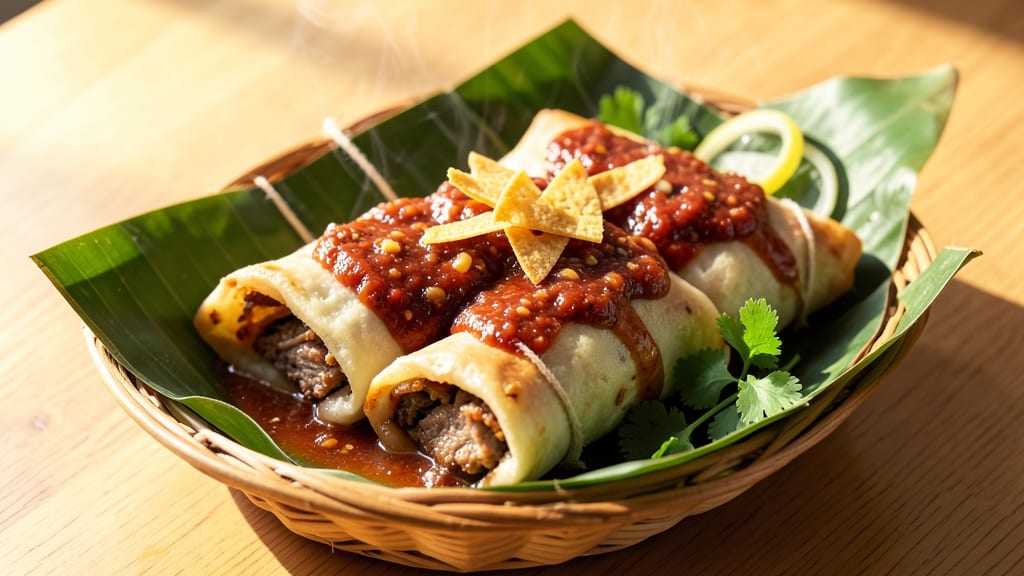
This mild pork tamales recipe brings the comforting embrace of a Southern kitchen to your table, where tender pork and fluffy masa come together in a time-honored tradition. 💛 I remember my abuela's hands wrapping each tamal with care, the aroma of cinnamon and pork filling the house—a scent that still calls me home.
The secret lies in balancing sweet and savory, creating a filling that's rich without being overpowering, perfect for those who love tradition but crave gentle flavors.
What makes these tamales special is the foolproof technique that delivers authentic results without requiring years of practice.
We'll start with a well-seasoned pork filling—just enough chili powder and cumin to add warmth without heat—then pair it with masa dough that's light, airy, and just sticky enough to hold its shape.
The key is steaming them properly, which transforms the dough from dense to cloud-like while keeping the pork juicy and flavorful.
By the time you're done, you'll have a batch of tamales that taste like a hug from your favorite cook—golden-brown at the edges, tender pork peeking through, and that unmistakable corn aroma that fills your kitchen. The best part?
These keep beautifully for days, so you can enjoy them as leftovers or share with neighbors. This is comfort food at its finest, made with respect for tradition but with modern convenience in mind.
Whether you're making them for a family gathering or a quiet Sunday dinner, this recipe delivers the restaurant-quality comfort you crave. Let's get started with the steps that'll have you wrapping tamales like a pro in no time.
Ingredients for mild pork tamales
Gather these comforting ingredients for tamales that taste like home-baked love.
| Ingredient | Amount | Notes |
|---|---|---|
| Pork Shoulder 🥓 | 2 ½ lb | Boneless, trimmed of fat |
| Yellow Corn Masa Harina 🌽 | 4 cups | Maseca or Bob's Red Mill |
| Chicken or Vegetable Broth 💧 | 1 ½ cups | Low-sodium preferred |
| Lard or Vegetable Shortening 🧈 | ½ cup | For masa dough |
| Yellow Onions 🧅 | 1 medium | Diced, about 1 cup |
| Garlic Cloves 🧄 | 6 cloves | Minced, about 1 tbsp |
| Ground Cumin 🌿 | 1 tbsp | Toasted for depth |
| Chili Powder 🌶️ | 1 tbsp | Mild, not hot |
| Ground Cinnamon 🌿 | 1 tsp | For warmth |
| Salt 🧂 | 1 tsp | Kosher or sea salt |
| Black Pepper 🌶️ | ½ tsp | Freshly ground |
| Dried Oregano 🍃 | 1 tsp | Mexican preferred |
| Corn Husks 🌾 | 24 whole | Medium-sized, soaked |
| Cotton Muslin or Plastic Wrap 🧻 | 1 sheet | For wrapping |
The pork shoulder is the heart of these tamales. Look for well-marbled cuts at local butcher shops or the meat department—it stays juicier during steaming. If you're using vegetable shortening instead of lard, Crisco is the gold standard for masa dough. The masa harina? Bob's Red Mill or Maseca are my go-tos—avoid the instant versions with baking powder. Corn husks should be fresh and pliable; if they're dry, soak them in warm water for 15 minutes. For the spices, Penzeys has the best ground cumin, but the regular grocery store stuff works fine if it's labeled 'toasted'.
No lard? Vegetable shortening or coconut oil works just as well—just don't substitute butter. Running short on corn husks? Banana leaves are a traditional alternative, but they require more prep. The broth can be homemade or store-bought—Swanson or Pacific Foods are reliable. Fresh garlic and onions are ideal, but frozen diced sets save time. Want to skip the oregano? Mexican oregano has a distinct flavor, but regular dried oregano works in a pinch. The key is balancing all those spices—taste the filling before wrapping!
Pork filling keeps for 3 days in the fridge, but masa dough should be made fresh. Store leftover tamales wrapped in their husks in a cool, dark place for up to 3 days. For longer storage, freeze them wrapped—steam directly from frozen. The husks make great compost, so don't toss them! If you're making a big batch, double the recipe and freeze half. These reheat beautifully—just steam for 15 minutes after freezing. Trust me, the leftovers taste even better the next day.
Why You'll Love This Recipe
- Pantry-Friendly Magic: I swear by this recipe because it uses what’s already in my cabinet—no specialty trips. The masa harina and broth blend into that perfect, tender filling without fuss, and the pork shoulder practically cooks itself while you mix.
- Onion-Laced Comfort: That slow-cooked pork shoulder with onions? It’s like a warm hug in every bite. The onions caramelize just enough to give depth, but the broth keeps it mild—no overpowering spices, just pure, satisfying flavor.
- Weeknight to Party: I make these for Taco Tuesday or pack them for potlucks. The same simple filling works for both—just adjust the wrapping (corn husks for casual, foil for gatherings) and boom, you’re covered.
- Leftovers That Don’t Lie: Tamales reheat like a dream, so I always make extra. The masa stays moist, the pork stays juicy, and honestly? My freezer is full of these because they’re cheaper than takeout and taste better.
Step-by-step instructions for mild pork tamales
Let's make these tender, comforting tamales with layers of flavor and fluffy masa.
🔥 Step 1: Prepare the Pork Filling
In a large skillet, heat 2 tablespoons olive oil over medium-high heat. Add the 2.5 lb pork shoulder cut into 1-inch cubes and sear for 5-6 minutes until browned on all sides. This step builds deep flavor through the Maillard reaction.
Remove the pork and set aside. In the same skillet, add the diced yellow onions and cook for 3-4 minutes until softened. Add the 6 minced garlic cloves and cook for another 30 seconds until fragrant. Return the pork to the skillet.
Pour in the 1.5 cups chicken or vegetable broth and bring to a simmer. Add the 1 tbsp ground cumin, 1 tbsp chili powder, 1 tsp ground cinnamon, 1 tsp salt, 0.5 tsp black pepper, and 1 tsp dried oregano. Simmer uncovered for 45-50 minutes until the pork is fork-tender and the liquid has reduced by half. Shred the pork and mix well with the sauce.
👨🍳 Step 2: Make the Masa Dough
In a large mixing bowl, combine the 4 cups yellow corn masa harina and 0.5 cup lard or vegetable shortening. Cut the fat into the masa using a pastry cutter or your fingers until it resembles coarse crumbs with pea-sized fat pieces.
Gradually add 1 cup hot broth (reserved from the pork mixture) while stirring with a wooden spoon. Mix until just combined—you want a soft, pliable dough that holds together when pressed. If it's too dry, add more broth 1 tablespoon at a time.
Cover the bowl with a damp towel and let the dough rest for 15 minutes. This resting period allows the masa to hydrate evenly, making it easier to work with and ensuring a tender texture in your tamales.
🥘 Step 3: Assemble the Tamales
Soften the 24 corn husks by soaking them in warm water for 30 minutes until pliable. Drain and pat dry with paper towels. Lay each husk flat on a clean work surface with the pointed end facing you.
Spoon about ¼ cup of the pork filling near the closed end of each husk, leaving a 1-inch border at the top. Then take a small handful of masa dough (about ½ cup) and flatten it in your hands. Place it over the filling, spreading it evenly to cover completely.
Fold the sides of the husk inward, then roll it tightly starting from the closed end, tucking in the pointed end as you go. Wrap each tamale in a piece of cotton muslin or plastic wrap to help maintain moisture during cooking.
🔥 Step 4: Steam the Tamales
Line a large stockpot with parchment paper or a steamer basket. Arrange the wrapped tamales seam-side up in the pot, standing upright. Add 1 inch of water to the bottom of the pot and bring to a boil over high heat.
Once boiling, reduce heat to medium-low, cover tightly with a lid, and steam for 60-75 minutes. The tamales are done when the masa pulls away from the husk easily and a toothpick inserted into the center comes out clean. Be careful not to overcrowd the pot—leave some space between tamales for even steaming.
Let the tamales rest for 10 minutes before unwrapping and serving. The filling should be juicy and flavorful, perfectly complemented by the tender, fluffy masa. Serve warm with salsa, guacamole, or your favorite toppings for a comforting meal everyone will love.
Pro Tips For Making Mild Pork Tamales
- Braise Pork Low and Slow: After searing the pork shoulder, drop the heat to 275°F (135°C) and let it cook for 3-4 hours. I used to rush this, and the meat turned out dry—patience here makes all the difference, especially for tamales where tender pork is non-negotiable.
- Toast Masa Properly: Heat the masa harina with broth in a pot until it reaches 180°F (82°C), stirring constantly. I learned this the hard way—undercooked masa makes gummy tamales, and overcooked masa turns to paste.
- Don’t Overfill Corn Husks: Pack the masa mixture into husks loosely—about ½ cup per husk—and fold the ends tightly. Overstuffing cracks them open during steaming, and nobody wants a messy batch.
- Use Rendered Lard: Render your own lard from pork fat or buy leaf lard—it’s far richer than vegetable shortening and gives tamales that authentic, melt-in-your-mouth texture. I was skeptical until I tried it, and now I won’t go back.
Common mistakes when making great mild pork tamales
Overfilling the Husks
I’ve seen too many first-timers overstuff their tamales, thinking more filling means better flavor. But when you pack in too much pork, the masa can’t properly encase it, leading to messy, unevenly cooked tamales.
The filling should be ¼ cup per husk—any more risks spillage during wrapping or uneven steaming. I’ve even had tamales burst open because the filling expanded too much. 💛
Skipping the Resting Time
The 15-minute rest for the masa dough is non-negotiable. Without it, the dough stays dry and crumbly, making it nearly impossible to spread evenly over the filling. I once rushed ahead and ended up with tamales that were dense and chewy instead of light and fluffy.
Think of it like kneading bread—resting develops the gluten (or in this case, the corn starch) for a better texture.
Using Dry or Stiff Masa
If your masa dough feels like sandpaper or cracks when pressed, you’ve gone wrong. The key is gradual hydration—add broth 1 tablespoon at a time until it’s just pliable. I’ve had batches turn out gummy because I added too much liquid, but stiff dough is even worse.
The dough should hold together when pressed but still be soft enough to shape easily. If it’s too dry, a splash of warm broth fixes it instantly.
Uneven Steaming
Overcrowding the steamer is a rookie mistake that leads to unevenly cooked tamales. Leave 1 inch of space between each tamale so steam circulates properly. I once tried to fit 30 tamales into my stockpot and ended up with some overcooked and others still raw.
Stand them upright with the seam-side up—this ensures even heat distribution and prevents them from sticking to the pot.
Not Soaking Husks Properly
Dry or partially soaked husks won’t stay pliable during wrapping, leading to broken seals and filling leaks. Soak them in warm water for 30 minutes until they’re soft enough to bend without cracking.
I keep a bowl of warm water nearby while assembling tamales—dipping them for 10 seconds between uses keeps them flexible. Never use husks straight from the package; they’ll snap like brittle paper.
Opening the Lid Too Soon
The first 30 minutes of steaming are critical for building steam pressure. If you peek too early, you’ll lose heat and moisture, leading to uneven cooking. I’ve had batches where the tops stayed raw because I couldn’t resist checking.
Once the water boils and you’ve covered the pot, resist the urge to lift the lid until the full 60-75 minutes are up. Patience here makes all the difference! ⏰
Nutrition facts
Frequently asked questions
Can I substitute chicken or beef for the pork in this recipe?
While pork is traditional, you can absolutely use chicken or beef—but adjust the cooking time. Chicken should be cooked to 165°F and beef to 160°F for medium doneness. The flavor profile changes significantly, so if using beef, add 1 extra teaspoon of cumin and ½ teaspoon of smoked paprika for depth. Chicken works well with ½ teaspoon of thyme instead of cinnamon.
How do I make these tamales vegetarian?
Replace the pork with a hearty filling like seasoned black beans, mushrooms, or roasted sweet potatoes. For the masa dough, use vegetable broth instead of chicken broth and add ½ cup of corn kernels for texture. Boost umami with 1 teaspoon of soy sauce or ½ teaspoon of liquid smoke in the filling. The steaming time remains the same.
Why does my masa dough keep cracking or breaking?
This usually happens when the dough is too dry or hasn't rested long enough. The dough should be soft and pliable—like wet sand that holds together when squeezed. If it cracks, add 1 tablespoon of warm broth at a time until it smooths out. Always let the dough rest for 15 minutes before wrapping—this relaxes the starches and prevents breakage.
Can I make tamales ahead and freeze them?
Wrap cooked tamales in their husks and place them in a single layer on a tray before freezing. Once frozen, transfer to a sealed bag. To serve, steam from frozen for 20-25 minutes or reheat in a 350°F oven for 15 minutes. The texture holds up beautifully, and the flavors deepen after freezing. Label bags with the date—best quality within 3 months.
What's the best way to serve these tamales?
Traditionally, they're served with warm salsa verde, avocado crema, or pico de gallo. For a Southern twist, pair with collard greens or cornbread. The mild filling works wonderfully with pickled red onions or sliced radishes for crunch. Serve with lime wedges—squeezing fresh lime over tamales before eating brightens all the flavors!