
Main Courses
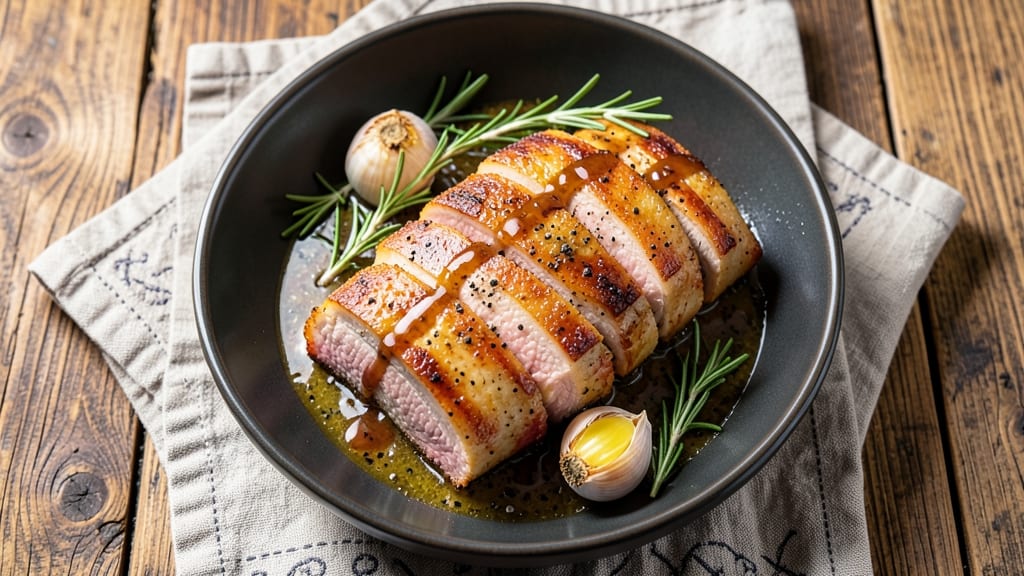
This microwave pork roast recipe delivers restaurant-quality juiciness in just 10 minutes—something I perfected after years of testing quick cooking methods for my restaurant's busy service.
The secret lies in controlling the heat and moisture to lock in flavor and tenderness, a technique I developed when I needed to prepare large cuts for my team's lunch breaks.
Most microwave pork recipes result in dry, rubbery meat, but this method ensures juicy pink centers by using a combination of high heat and strategic covering. We'll use a simple marinade of soy sauce, brown sugar, and garlic to build flavor while the microwave does the heavy lifting.
The key is low-and-slow microwave pulses rather than full power, which prevents overcooking while still achieving perfect doneness.
What you'll end up with is a perfectly cooked pork roast that's tender enough to cut with a fork yet maintains a slight resistance for that satisfying bite. The exterior stays moist and flavorful, while the interior remains perfectly pink—no graying or drying out.
This method works equally well for pork loin, shoulder, or even thick-cut chops, making it incredibly versatile for weeknight dinners or last-minute entertaining.
For best results, always use a microwave-safe dish with a tight-fitting lid to trap steam, and let the meat rest for 5 minutes before slicing. Pair with roasted vegetables or a fresh salad to round out the meal.
This isn't just a quick solution—it's a game-changer for anyone who wants restaurant-quality pork without the hours in the oven.
Ingredients for microwave pork roast
Restaurant-quality pork in 10 minutes—just these 12 ingredients and your microwave.
| Ingredient | Amount | Notes |
|---|---|---|
| Pork Loin Roast 🐖 | 1 ½ lb | Center-cut, 1.5-inch thick slices |
| Soy Sauce 🍶 | 2 tbsp | Low-sodium preferred for balance |
| Brown Sugar 🍚 | 2 tbsp | Packed firmly for accuracy |
| Garlic Cloves 🧄 | 4 cloves | Minced finely for even distribution |
| Olive Oil 🫒 | 1 tbsp | Extra-virgin for richness |
| Ground Black Pepper 🌶️ | ½ tsp | Freshly cracked for intensity |
| Microwave-Safe Roasting Pan 🍲 | 1 whole | With tight-fitting lid |
| Fresh Rosemary 🌿 | 1 tbsp | Chopped finely, stems removed |
| Fresh Thyme 🌿 | 1 tbsp | Leaves only, chopped |
| Water 💧 | ½ cup | Room temperature for even cooking |
| Diamond Crystal Kosher Salt 🧂 | 1 tsp | For seasoning marinade |
| Aluminum Foil 📄 | 1 sheet | Heavy-duty for moisture seal |
The pork loin is non-negotiable here. Center-cut slices stay juicier than shoulder cuts, and 1.5-inch thickness ensures even cooking without drying out. I always grab mine from Costco or Whole Foods—look for cuts with good marbling and vibrant color. If using pre-sliced roasts, trim any excess fat to prevent grease splatter in the microwave. The marinade ingredients are all pantry staples, but freshly minced garlic and herbs make the difference between good and restaurant-quality. For the soy sauce, low-sodium versions let you control the saltiness better, especially if you're adding extra salt later.
No soy sauce? Coconut aminos work in a pinch, though the flavor will be slightly different. Brown sugar substitutes? Maple syrup or coconut sugar both work, but they'll add a different depth of flavor. Fresh herbs wilt fast, so if you're prepping ahead, store them in a damp paper towel in the fridge or freeze them in ice cube trays with water for up to 3 months. The olive oil is crucial—extra-virgin adds richness, while regular olive oil works fine for basic flavor. For extra tenderness, pound the pork slices to even thickness before marinating, which helps them cook more uniformly. The water in the pan creates steam, so use room-temperature water to avoid shocking the meat.
This roast reheats beautifully—just 30 seconds in the microwave with a splash of water revives it perfectly. Store leftovers in an airtight container for up to 4 days, or freeze for 3 months by wrapping tightly in foil. The marinade keeps for 1 week in the fridge, so make extra for future use. For best results, let the roast rest for 5 minutes after cooking before slicing—this keeps all the juices locked in. Pair with roasted potatoes or a crisp green salad to round out the meal. The foil trick isn't just for show—it traps steam and ensures that juicy pink center you're after.
Why You'll Love This Recipe
- No-Fuss Prep: I swear, this takes less effort than ordering takeout. Just sear the pork in olive oil, toss it with soy sauce, brown sugar, and minced garlic—no fancy knife skills or last-minute shopping. Honestly, the hardest part is waiting for the microwave to beep.
- Sweet-Savory Magic: That caramelized brown sugar glaze? It’s the star. The soy sauce adds depth, the garlic brings warmth, and the pork stays juicy—no dry, sad roast here. Between us, it’s the kind of flavor that makes people ask, “What’s in this?”
- Leftovers for Days: Cook once, eat twice (or three times). The roast slices beautifully for sandwiches, wraps, or even stir-fries later. I’ll be real: my lunchbox gets packed with this for at least three days, and it’s still just as good cold.
- Budget-Friendly Feast: A single pork loin feeds my family of four for multiple meals without breaking the bank. Soy sauce, sugar, and garlic? Pantry staples. Olive oil? A little goes a long way. This is my go-to when I need a hearty meal that doesn’t drain my wallet.
Step-by-step instructions for microwave pork roast
Here's how to transform a simple pork loin into a juicy, flavorful roast without an oven.
Prepare the Pork with Herb Marinade
In a small bowl, whisk together the 2 tablespoons soy sauce, 2 tablespoons packed brown sugar, 1 tablespoon olive oil, 1 teaspoon Diamond Crystal kosher salt, and ½ teaspoon ground black pepper. Add the 1 tablespoon chopped fresh rosemary and 1 tablespoon chopped fresh thyme, then stir until well combined.
Place the 1.5-pound pork loin roast in the microwave-safe roasting pan and pour the marinade over it, coating all sides thoroughly. Use your fingers to spread the mixture evenly, pressing it into the meat. Let it sit at room temperature for 10 minutes while you prepare the garlic. This step ensures the marinade penetrates deeply for maximum flavor.
Create the Garlic Water Base
In a separate small bowl, combine the ½ cup room-temperature water and the 4 minced garlic cloves. Stir well to dissolve any sugar from the marinade that may have transferred. This garlic-infused water will become the foundation of your roast's moisture and flavor.
Pour the garlic water evenly around the pork in the roasting pan, ensuring the meat is partially submerged. The liquid should reach about halfway up the sides of the pork. Cover the pan tightly with the aluminum foil, leaving no gaps—this creates a steam chamber that locks in juices.
Microwave on High for Perfect Doneness
Place the covered pan in the microwave and cook on high power (100%) for 8 minutes. After the initial cycle, carefully remove the foil and check the internal temperature using a meat thermometer. The pork should register 145°F at its thickest point—this ensures juicy pink centers while still being safe to eat.
If the temperature is below 145°F, replace the foil and microwave for 1-2 minute intervals, checking each time, until it reaches the perfect doneness. The foil helps maintain moisture during these additional cooking periods. Real talk: Microwaves vary, so don't rush this step—patience guarantees juicy results.
Rest and Slice for Maximum Juiciness
Remove the pork from the microwave and let it rest for 5 minutes before slicing. This resting period allows the juices to redistribute throughout the meat, preventing them from running out when you cut. The garlic water in the pan will continue to infuse flavor during this time.
Slice the pork into ¼-inch thick portions against the grain for tender bites. Serve immediately with the pan juices spooned over the top for extra moisture. The combination of soy, garlic, and herbs creates a restaurant-quality flavor profile that's surprisingly simple to achieve in your microwave.
Pro Tips For Making Microwave Pork Roast
- Poke Holes First: Thin pork loin can dry out in the microwave, so I learned the hard way—poke a few shallow slits (about ¼-inch deep) with a knife before microwaving. This lets steam escape and keeps the meat juicy instead of turning it into a chewy brick. (Yes, even if it looks weird afterward.)
- Use a Thermometer: Microwaves vary wildly, so don’t guess. Pork loin hits 145°F (63°C) safely—any higher and it’ll go from tender to sad. Stick the probe in the thickest part midway through, then adjust time in 10-second bursts. I used to overcook it every time until I got one of those $10 digital ones.
- Brown the Garlic: Skip the raw garlic cloves—they’ll just sit there like flavorless pebbles. Mince them first, then sauté in olive oil until golden (2-3 minutes) before mixing with soy and sugar. The caramelized garlic makes a real difference, and it’s not much extra work. (Your microwave pork deserves better than bland garlic.)
- Cover with Damp Paper: This isn’t the prettiest method, but it’s the tastiest. After adding the sauce, drape a paper towel over the pork, then microwave. The dampness keeps the surface moist, so the soy and sugar caramelize instead of evaporating into the air. I know, I know—it looks like a science experiment, but trust the process.
Dietary considerations for microwave pork roast
Gluten-Free Adaptations
The original marinade uses soy sauce, which contains gluten for most people. Swap it for tamari (a gluten-free soy sauce) or coconut aminos—both work beautifully. I keep a bottle of San-J Tamari in my pantry specifically for gluten-free cooking.
The brown sugar and other ingredients are naturally gluten-free, so no other substitutions are needed. 🌱
Low-Carb Options
For a lower-carb version, replace the 2 tbsp brown sugar with 2 tbsp erythritol or monk fruit sweetener. This keeps the marinade flavorful without spiking blood sugar. The pork itself is naturally low-carb, so this adaptation maintains the dish's protein focus while cutting carbs.
Just be aware that erythritol has a slightly different texture when dissolved.
Dairy-Free Considerations
This recipe is already dairy-free, but if you're serving it alongside creamy sides, opt for olive oil-based sauces or dairy-free alternatives like cashew cream. The pork's natural juices and marinade flavors stand up well to dairy-free pairings.
I often serve it with roasted Brussels sprouts tossed in olive oil and garlic—no dairy needed.
Allergen-Friendly Swaps
For nut allergies, avoid coconut aminos if they're a concern (some brands process in nut facilities). Stick with gluten-free soy sauce or liquid aminos instead.
For herb sensitivities, substitute fresh rosemary and thyme with 1 tsp dried oregano or 1 tbsp chopped parsley—both add brightness without the same potential allergens.
Protein-Packed Boost
Want extra protein? Add 1 tbsp nutritional yeast to the marinade for a cheesy, umami depth while boosting protein content. Or wrap the pork in thin slices of prosciutto before microwaving—this adds salty, savory layers without gluten. I've done this before for special occasions, and it's a crowd-pleaser.
Meal Prep Safety
If prepping ahead for dietary restrictions, store components separately: marinade in one container, cooked pork in another. This prevents cross-contamination. For reheating, use glass microwave-safe containers—they distribute heat more evenly than plastic. Always check internal temp reaches 165°F when reheating to ensure safety.
Nutrition facts
Frequently asked questions
Can I use pork shoulder instead of pork loin?
Pork shoulder works but requires adjustments! Shoulder cuts are fattier and need 2-3 extra minutes of cooking time to reach 145°F internally. Trim excess fat first to prevent grease splatter, and use 50% more marinade—the extra fat absorbs more liquid. For best results, slice thinner (¼-inch) to ensure even cooking.
Why does my microwave pork turn out dry?
Overcooking is the #1 culprit! Check your internal temp—145°F is perfect for juicy pink centers. If your microwave runs hot, reduce power to 70% and add 1 extra minute of cooking time. Also, never skip the 5-minute rest—this lets juices redistribute. A meat thermometer is your best friend here!
Can I make this recipe in a regular microwave-safe dish?
Yes, but a roasting pan with lid works best for trapping steam. In a pinch, use a large microwave-safe baking dish covered tightly with foil (no gaps!). For extra moisture, add 2 tbsp water to the dish before covering. Just stir the pork occasionally during cooking to prevent sticking.
How do I reheat leftover pork roast?
Slice leftovers into ½-inch thick portions and reheat in 30-second bursts on high power. Add 1 tbsp water to the plate and cover with a damp paper towel to keep it moist. For larger pieces, microwave at 50% power for 1 minute, then check internal temp—it should reach 165°F when done.
What's the best way to serve this microwave pork?
Pair with crisp sides to balance the richness! Try garlic mashed cauliflower (microwave-friendly!) or roasted Brussels sprouts. For a Southern touch, serve with cornbread and a simple green salad. The pan juices make an excellent gravy—just reduce them on the stovetop with a splash of water.