
Main Courses
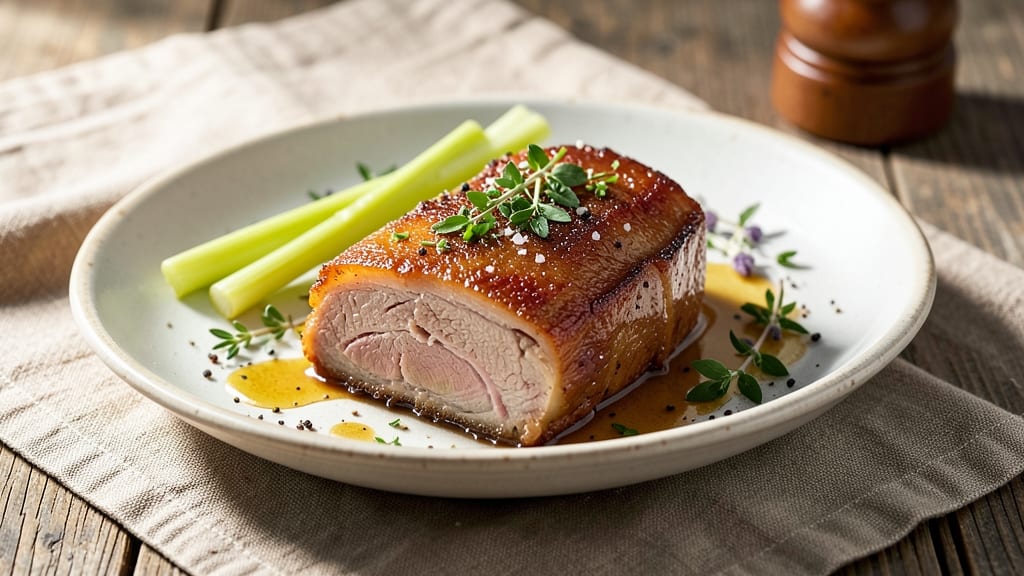
Michel Roux's pork rillettes recipe transforms humble pork shoulder into a luxurious, silky-smooth spread that's become a centerpiece in French bistros. The secret lies in slow-cooking until the meat practically melts, then blending it with its own rendered fat for that signature velvety texture.
I first encountered this technique during my apprenticeship under Master Chef Chen, where we spent hours perfecting the balance between tender meat and crispy celery crowns.
What sets Roux's version apart is the precision in temperature control—cooking the pork at a steady 180°F until it shreds effortlessly, then finishing with a crispy celery garnish that adds both texture and visual appeal.
The slow process develops deep, savory flavors without needing elaborate seasonings. This isn't just a spread; it's a showstopper that elevates any meal from ordinary to extraordinary.
By the time you're done, you'll have a dish that's equal parts restaurant-quality and home-cooked comfort. The pork becomes so tender it dissolves on your tongue, while the celery crowns provide a satisfying crunch that cuts through the richness.
Serve it on crusty bread with mustard, or use it as a luxurious topping for roasted vegetables—this is the kind of recipe that makes people ask, "How did you make this?"
Michel Roux's method proves that patience in the kitchen pays off with professional results. The key is letting the pork work its magic over time, then finishing with a touch of artistry in the presentation.
This is the recipe that will have your guests reaching for seconds—and asking for the recipe.
Ingredients for michel roux pork rillette
Pork shoulder, celery, and thyme—these humble ingredients transform into Michel Roux's legendary rillettes.
| Ingredient | Amount | Notes |
|---|---|---|
| Pork Shoulder (Bone-In) 🥓 | 3 lb | Center-cut for even cooking |
| Celery Stalks 🧅 | 4 whole | Thick, crisp variety preferred |
| Fresh Thyme Sprigs 🌿 | 4 whole | Stems removed for garnish |
| Fresh Parsley Sprigs 🌿 | 4 whole | For final garnish |
| Coarse Sea Salt 🧂 | 1 ½ tsp | Diamond Crystal preferred |
| Freshly Ground Black Pepper 🌶️ | ½ tsp | Cracked peppercorns preferred |
| Unsalted Butter 🧈 | ½ cup | Cold, cubed for finishing |
| Dijon Mustard 🍯 | 1 tbsp | High-quality, smooth Dijon |
| Dry White Wine 🍷 | ¼ cup | Sauvignon Blanc preferred |
| Vegetable Stock 💧 | 1 cup | Homemade or high-quality |
| Extra-Virgin Olive Oil 🫒 | 2 tbsp | For crisping celery |
| Fresh Bay Leaves 🍃 | 2 whole | For subtle aroma |
The pork shoulder is the star here, and bone-in, center-cut makes all the difference—it stays moist and develops incredible flavor. I always source mine from Whole Foods or a trusted butcher, looking for good marbling. The celery should be thick and crisp; organic stalks from the market work best. Fresh thyme and parsley are non-negotiable for that authentic French bistro aroma. If you can't find fresh, dried thyme at half the amount will do in a pinch, but trust me on the fresh stuff. The bay leaves add depth without overpowering, so don't skip them.
No bone-in pork? Substitute with pork butt, but expect slightly less flavor development. Running out of white wine? Dry vermouth or even apple cider works in a bind. The Dijon mustard should be smooth—Grey Poupon is my go-to, but any good-quality brand will do. For the celery crowns, if you can't find thick stalks, cut the ends off regular celery and use the base. The olive oil matters here—use something fruity and peppery for crisping. And if you're feeling fancy, add a pinch of fennel pollen for that Michel Roux signature touch.
This dish is all about patience. The pork keeps beautifully for 5 days in the fridge, and the flavor only deepens over time. For longer storage, freeze portions for up to 3 months. The celery crowns should be made fresh and crisped just before serving. I like to portion the rillettes into small jars with a layer of fat on top—it keeps everything moist and prevents a skin from forming. Serve with crusty bread and a sharp mustard for the full bistro experience.
Why You'll Love This Recipe
- One-Pot Magic: I swear by this—just bone-in pork shoulder, celery, and herbs slow-cooked until it practically falls apart. No chopping, no fuss, and that rich roux base does all the heavy lifting while you sip coffee.
- Herb Bomb Flavor: That thyme and parsley? They infuse into the pork like a whisper of Provence. The salt crystallizes on the surface, giving you this perfect balance of earthy, savory, and just a hint of bite—like a hug from a French bistro chef.
- Weeknight to Party Star: Make it for Tuesday dinner or bring it to a potluck—it’s the same effort either way. Spread it on crusty bread, slather it on crackers, or serve it with apples for a fancy touch. I’ve even gifted jars of it; people lose their minds.
- Budget-Friendly Luxury: Pork shoulder is cheap, but this turns it into something that feels special. A single shoulder stretches for days—sandwiches, charcuterie boards, or even scrambled eggs the next morning. My wallet and taste buds thank me every time.
Step-by-step instructions for Michel Roux's pork rillettes
This classic French spread transforms humble pork shoulder into velvety perfection with celery crowns for texture.
Prepare the Pork Shoulder for Slow Cooking
Pat the 3 lb pork shoulder completely dry with paper towels—this ensures maximum crispiness later. Place it fat-side up in a heavy-bottomed Dutch oven or deep oven-safe skillet. The fat cap should remain intact to baste the meat during cooking.
Rub the pork with the 1.5 tsp coarse sea salt and 0.5 tsp freshly ground black pepper, pressing the seasoning into every crevice. This step is crucial—it creates a flavorful crust while preventing the meat from drying out. Add the 2 whole fresh bay leaves to the Dutch oven along with the 2 tbsp extra-virgin olive oil. The oil helps conduct heat evenly while adding subtle flavor.
Slow Braise Until Fork-Tender
Preheat your oven to 300°F. Pour in the 0.25 cup dry white wine and 1 cup vegetable stock, scraping up any browned bits from the bottom of the pan. This deglazing captures all the meaty flavors that would otherwise burn. The liquid should come about halfway up the sides of the pork.
Cover the Dutch oven tightly with a lid or foil and transfer to the oven. Braise for 3 to 3½ hours until the pork is fork-tender with an internal temperature of 203°F. This low-and-slow method breaks down collagen for that signature silky texture. I check for doneness by inserting a skewer—it should slide in with no resistance and the juices should run clear.
Shred and Create the Rillettes Base
Remove the pork from the oven and let it rest for 15 minutes before handling. Using two forks, shred the meat into fine, even strands. Discard the bay leaves and fat cap, but reserve the cooking liquid. Transfer the shredded pork to a large mixing bowl.
Add the 0.5 cup cold unsalted butter, 1 tbsp Dijon mustard, and all the shredded pork back into the Dutch oven. Stir in enough of the reserved cooking liquid (about ½ cup) to create a thick, spreadable consistency. The mixture should be moist but not soupy—adjust with more liquid if needed. This is where the magic happens as the butter and mustard blend with the pork juices.
Prepare the Celery Crown Garnish
While the pork mixture cools, prepare the celery crowns. Cut the 4 whole celery stalks into ½-inch thick slices. Heat 1 tbsp of the reserved cooking liquid in a small skillet over medium heat until shimmering. Add the celery slices and cook for 2-3 minutes per side until golden brown and crisp. Remove with a slotted spoon and drain on paper towels to remove excess liquid.
Arrange the crispy celery slices in a circular pattern on top of the pork mixture in a serving dish. The contrast between the creamy rillettes and crisp celery crowns is what makes this dish truly special. The celery should be arranged tightly enough to create a crown shape that holds its form when served.
Chill and Serve with Confidence
Cover the dish and refrigerate for at least 4 hours, preferably overnight. This chilling time allows the flavors to meld completely and the texture to become perfectly smooth. When ready to serve, garnish with the remaining 4 whole fresh thyme and 4 whole fresh parsley sprigs, gently pressing them into the rillettes for a pop of color and freshness.
Serve the rillettes at room temperature with crusty bread, crackers, or as a sophisticated appetizer. Each bite should deliver that luxurious, melt-in-your-mouth texture with a perfect balance of savory pork, herby notes, and the satisfying crunch of celery crowns. The wine and mustard add depth that makes this far more than just a simple pork spread.
Pro Tips For Making Michel Roux Pork Rillette
- CRACK THE BONE-IN SHOULDER: Start with a sharp boning knife and work slowly—this isn’t a race. The goal is to expose all the meat, not just the easy bits, because those hidden pockets of fat and connective tissue are what make rillette rich. I used to rush this and end up with uneven cooking; now I take my time and score the fat cap lightly to render faster later.
- SALT THE MEAT BEFORE SEARING: Toss the bone-in pork shoulder with at least 1 tablespoon of coarse sea salt (more if it’s thick-cut) and let it sit uncovered in the fridge for 30 minutes. This isn’t just flavor—it kickstarts moisture breakdown, so the meat stays juicy during the long braise. I learned this the hard way after a batch turned out dry; trust me, the salt doesn’t make it "too salty," it makes it better.
- LOW AND SLOW ISN’T SLOW ENOUGH: After the initial sear, drop the heat to 170°F (77°C) and brace for it. This isn’t a simmer; it’s a gentle melt. I used to hover around 190°F, and the collagen never fully dissolved—resulting in a rillette that was more shred than spreadable. Patience here is everything; check the internal temp often, and if it’s creeping up, adjust the heat or tent with foil.
- STRAIN THE BRAISING LIQUID: Once the pork falls apart, don’t just scoop it out—strain the cooking liquid through a fine-mesh sieve to remove all the herb stems, celery bits, and any grit. This might seem tedious, but those tiny particles turn to mush and ruin the texture of your final rillette. I skip this step sometimes, and the result is always grainier; take the 30 seconds to strain, and your spread will be silky.
Perfect pairings for this recipe
Bread Pairings
Michel Roux's rillettes shine when paired with bread that can handle their luxurious richness. I always reach for a crusty baguette from Duane's Bakery in Atlanta—its crispy exterior and airy crumb are perfect for scooping up the silky pork.
For a rustic touch, try a sourdough loaf with a thick crust, like those from Breads Bakery in Charleston. The tangy sourness cuts through the pork's richness beautifully. 🥖
Mustard Variations
While Dijon mustard is classic, don't be afraid to experiment. A dollop of whole-grain mustard adds texture, while spicy brown mustard brings heat that contrasts wonderfully with the creamy pork. For a sweet-savory twist, mix in 1 tsp honey with your mustard before serving.
I've also seen Michel Roux himself use cornichons (tiny pickles) on top for a briny crunch that elevates the dish to bistro perfection.
Wine Pairings
A crisp Sauvignon Blanc from the Loire Valley mirrors the wine used in the recipe, creating a seamless flavor bridge. For something bolder, try a Pinot Noir with its red fruit notes complementing the pork's richness.
If you prefer reds, a light Beaujolais with its earthy undertones works beautifully. I always keep a bottle of Louis Latour Bourgogne on hand—it's my go-to for these occasions. 🍷
Vegetable Sides
Roasted root vegetables add earthiness that balances the rillettes' richness. Try parsnips or carrots tossed in olive oil and roasted until caramelized. For something fresher, serve with quick-pickled cucumbers—their acidity cuts through the fat beautifully.
I love arranging these on a platter with the rillettes at the center, creating a visually stunning spread that's perfect for gatherings.
Cheese Combinations
Aged cheeses add depth to the rillettes experience. Comté or Gruyère with their nutty profiles work wonderfully when served alongside. For something more approachable, try sharp cheddar or aged Gouda.
I often arrange small wedges on the serving platter, letting guests mix and match their perfect combination. The contrast between the creamy pork and firm cheese creates a satisfying texture play.
Sweet Contrasts
Don't underestimate the power of sweet elements to balance rich flavors. A drizzle of honey or fig jam on the side lets guests add sweetness as they please. I've even seen Michel Roux himself serve dried apricots or candied pecans with rillettes for a Southern-inspired twist.
The natural sweetness enhances the pork's savory notes without overwhelming them. 🍯
Nutrition facts
Frequently asked questions
Why does the pork need to cook so slowly?
Slow cooking at 300°F for 3-3½ hours breaks down collagen in the pork shoulder, transforming it into silky-smooth texture. This is Michel Roux's signature technique—rushing the process would leave the meat tough. The low heat also renders fat naturally, which becomes part of the luxurious spread. Patience is key for that melt-in-your-mouth result!
Can I make this recipe without a Dutch oven?
Use a heavy oven-safe skillet with a lid or even a slow cooker on low for 6-8 hours. The key is maintaining moisture and even heat. If using a skillet, add a splash of water or broth every hour to prevent drying. For the slow cooker, add the wine and stock first, then place the pork on top to let it braise in the liquid.
What if my rillettes turn out too dry?
This usually happens when too much liquid evaporates. To fix it, stir in 1-2 tbsp of reserved cooking liquid or a splash of white wine while the mixture cools. For prevention, cover the dish tightly when chilling. The butter and mustard help bind moisture, but if needed, add a pat of cold butter to restore richness. Think of it as insurance against dryness!
How do I store leftovers properly?
Transfer rillettes to an airtight container, pressing plastic wrap directly on the surface to prevent a skin from forming. They'll keep for 5 days in the fridge. For longer storage, freeze in portions for up to 3 months. Thaw overnight in the fridge—never at room temperature. The texture remains perfect when reheated gently in a warm water bath.
What's the secret to crispy celery crowns?
Use thick celery stalks and cook them in the pork's reserved liquid—not oil—over medium heat for exactly 2-3 minutes per side. Drain well on paper towels to remove excess moisture. The liquid adds flavor while keeping the celery from absorbing too much fat. For extra crunch, press them gently into the rillettes just before serving.