
Main Courses
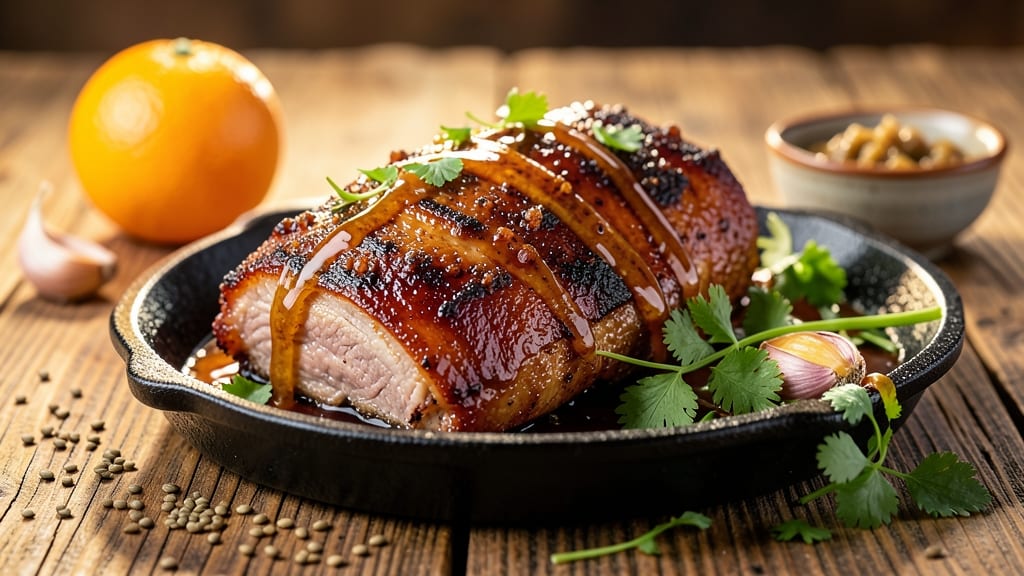
This Mexican smoked pork shoulder recipe transforms tough cuts into tender, smoky magic with a chipotle-orange marinade that's impossible to resist. 🔥 The secret lies in low-and-slow smoking at 225°F, where the pork shoulder becomes so tender it practically melts in your mouth—perfect for tacos, nachos, or sandwiches.
I've been perfecting this technique for years, and it never fails to impress, whether you're feeding a crowd or treating yourself to a special meal.
The marinade is where the real flavor happens: smoky chipotle peppers blend with bright orange juice and garlic to create a balance that's both bold and approachable. This isn't just pulled pork—it's a celebration of Mexican flavors that brings the smoker to life.
The key is patience; letting the pork shoulder cook for hours ensures every bite is juicy and packed with flavor, while the bark develops that perfect crust.
By the time you're done, you'll have perfectly smoked pork that falls apart at the touch, ready to be shredded and tossed with your favorite toppings. The aroma alone will have everyone gathering around the table, and the taste?
That's where the magic happens—smoky, tangy, and just sweet enough to make it unforgettable. This is the kind of dish that turns a simple weeknight into a fiesta.
Serve it in warm tortillas with fresh salsa, on crispy tacos, or piled high on a plate of nachos. The possibilities are endless, and the results are always spectacular. Let's get started on creating your own smoky masterpiece.
Ingredients for mexican smoked pork shoulder
Pork shoulder, smoky chipotle, and bright orange juice—this trio makes magic happen on your smoker.
| Ingredient | Amount | Notes |
|---|---|---|
| Pork Shoulder 🐖 | 4 lb | Bone-in, well-marbled cut |
| Chipotle Peppers in Adobo 🌶️ | 4 whole | 2 cans, minced for marinade |
| Orange Juice 🍊 | 1 cup | Freshly squeezed preferred |
| Garlic Cloves 🧄 | 8 cloves | Peeled, minced for marinade |
| Olive Oil 🫒 | ½ cup | Extra-virgin for richness |
| Brown Sugar 🍯 | ¼ cup | Light or dark variety |
| Ground Cumin 🌿 | 1 tbsp | Toasted for deeper flavor |
| Dried Oregano 🍃 | 1 tbsp | Mexican oregano if available |
| Salt 🧂 | 2 tsp | Kosher or sea salt |
| Black Pepper 🌶️ | 1 tsp | Freshly ground preferred |
| Apple Cider Vinegar 🍏 | 2 tbsp | For tangy balance |
| Fresh Cilantro 🌿 | ¼ cup | Chopped, for garnish |
| Lime 🍋 | 1 whole | Juiced for finishing |
| Wood Chips 🌳 | 2 cups | Hickory or oak preferred |
The pork shoulder is the star here. Bone-in cuts stay juicier, and you want that marbling for flavor. Costco or local butchers usually have the best deals on big cuts—look for a 4-5 lb shoulder if you're feeding a crowd. If you're buying pre-cut, make sure it's well-marbled; the fat keeps it tender. For the chipotle peppers, La Costeña or Goya brands are my go-to—they've got that perfect smoky heat. Fresh oregano is ideal, but dried works fine if you've got it. Just remember, Mexican oregano has a different, more citrusy flavor than Italian oregano, so grab it if you can find it at a Latin market.
No fresh orange juice? Bottled works in a pinch, but fresh is definitely better. Running low on cumin? Smoked paprika at half the amount gives you that smoky depth. The brown sugar adds just enough sweetness to balance the heat—don't skip it. If you're short on time, pre-minced garlic from the jar is fine, but fresh is always better. The wood chips? Hickory or oak are classic for Mexican flavors, but mesquite works too if you're feeling adventurous. Just soak them in water for at least 30 minutes before using—they'll smoke better and last longer.
This marinade keeps for up to 1 week in the fridge, so make extra. The pork shoulder? It's a slow cook—8-12 hours at 225°F, so plan ahead. Once it's done, let it rest for at least 30 minutes before shredding, or you'll lose all that juicy goodness. Store leftovers in the fridge for 4-5 days or freeze for 3 months. I always make double batches—one for tacos, one for nachos, and one for sandwiches. The leftovers reheat beautifully, and the flavor only gets better as it sits.
Why You'll Love This Recipe
- One-Pan Magic: I swear by this recipe because it’s that simple—just rub the pork with garlic, adobo, and a splash of orange juice, then let the oven do the work. No basting, no fuss, just hands-off perfection.
- Smoky Citrus Bomb: The chipotle in adobo gives it that deep, smoky punch, while the orange juice cuts through the richness like a bright summer breeze. Honestly, the first bite makes me close my eyes—it’s that good.
- Leftovers That Shine: This pork keeps better than most cuts, and reheats like a dream. Toss it in tacos, chop it for burrito bowls, or even serve it cold in sandwiches—it’s my go-to for lazy lunches all week.
- Budget Feast Maker: A pork shoulder feeds a crowd for next to nothing, and the ingredients? Basic pantry stuff. Between us, I’ve made this for game nights, potlucks, and even a last-minute dinner when the groceries were running low—it never lets me down.
Step-by-step instructions for Mexican smoked pork shoulder
Here's how to transform your pork shoulder into tender, smoky perfection with that perfect chipotle-orange balance.
👨🍳 Step 1: Mix the Chipotle-Orange Marinade
In a blender or food processor, combine the 4 whole chipotle peppers in adobo (including 1 tablespoon of the adobo sauce), 1 cup orange juice, 8 cloves minced garlic, 0.5 cup olive oil, 0.25 cup brown sugar, 1 tablespoon ground cumin, 1 tablespoon dried oregano, 2 teaspoons salt, and 1 teaspoon black pepper. Blend until completely smooth—you want a thick, vibrant marinade that coats a spoon.
Here's the thing—don't skip blending the adobo sauce with the peppers. That sauce carries the deep, smoky flavor that makes this marinade sing. Taste it now and adjust the salt or sweetness if needed. You'll want it to be tangy, slightly sweet, and packed with smoky heat. Pour this marinade into a large bowl or resealable bag.
👨🍳 Step 2: Coat and Rest the Pork Shoulder
Place the 4 lb pork shoulder in the marinade, turning it to coat all sides thoroughly. You'll see the meat start to absorb that gorgeous orange color immediately. Transfer the bag to the refrigerator and let it marinate for at least 12 hours, but I recommend 24 hours for maximum flavor penetration—this is where the magic happens.
I know it seems like a long wait, but trust me on this. The marinade doesn't just season the surface—it tenderizes the meat and infuses it with that perfect balance of smoky, citrusy, and slightly sweet flavors. If you're short on time, at least 4 hours will give you decent results, but overnight is ideal.
🔥 Step 3: Set Up Your Smoker for Low and Slow
Preheat your smoker to 225°F using the 2 cups wood chips (hickory or oak work best here). You'll want to see clean, blue smoke—thick white smoke means you need to adjust your airflow. Once the smoker reaches temperature, add a water pan to help maintain moisture during the long cook.
While the smoker preheats, remove the pork from the fridge and let it sit at room temperature for 30 minutes. This ensures even cooking from edge to center. Pat the pork dry with paper towels—this helps create that beautiful bark we're after. Place the pork shoulder fat-side up on the smoker grates so that rendered fat can baste the meat as it cooks.
⏰ Step 4: Smoke Until Fork-Tender
Close the smoker lid and let the pork cook undisturbed for 6-8 hours. This is where patience pays off—low and slow is the key to tender, melt-in-your-mouth pork. You'll know it's ready when the internal temperature reaches 195-203°F and a probe slides in like butter with no resistance. This usually happens around the 8-hour mark, but timing varies based on your smoker and pork size.
Real talk: don't peek too often. Every time you open the smoker, you lose heat and add time to your cook. I check once every 2 hours just to confirm the temperature and smoke flow. When you do check, you'll see that gorgeous mahogany bark forming—this is your reward for the wait.
🥘 Step 5: Rest and Finish with Citrus
Once the pork reaches the perfect temperature, transfer it to a cutting board and tent loosely with foil. Let it rest for 1-2 hours—this is crucial for redistributing those juices. During this time, juice the 1 whole lime and mix it with the 2 tablespoons apple cider vinegar and 0.25 cup chopped fresh cilantro.
After resting, slice the pork against the grain into ½-inch thick slices. The meat should be so tender it practically falls apart. Drizzle with the lime-vinegar-cilantro mixture just before serving. This bright, tangy finish cuts through the richness of the pork and adds a fresh contrast that makes every bite sing. Serve with warm tortillas, pickled onions, and a simple cabbage slaw for the ultimate Mexican feast.
Pro Tips For Making Mexican Smoked Pork Shoulder
- CRANK THE SMOKE LOW: The first 2 hours at 225°F (107°C) feel slow, but this is where the magic happens. I learned this the hard way—rushing to higher temps later ruins the tender texture. Let the pork shoulder crawl toward 160°F (71°C) before you even think about adding the chipotle paste. Patience here means pull-apart perfection.
- BLEND THE ADOBO PASTE: Don’t just toss whole chipotle peppers into the marinade—blend the adobo sauce with the peppers first. The sauce carries the smoky depth, and blending it smooths out the heat while keeping the texture consistent. I used to skip this, and the flavor felt uneven. Now? Every bite has that balanced kick.
- BRINE THE PORK OVERNIGHT: Skip the salty guesswork—soak the pork shoulder in a mix of 1 gallon water, ½ cup kosher salt, and ¼ cup sugar for 12–24 hours. This locks in moisture and lets the chipotle-orange marinade cling better. I was skeptical until I tried it: the meat stays juicy even after hours of smoking, and the crust forms faster.
- USE FRESH ORANGE JUICE: The adobo sauce is smoky, but fresh orange juice cuts through the richness and brightens the whole dish. Bottled juice works in a pinch, but the acidity fades fast. I now squeeze 2 oranges (about ½ cup juice) right before applying the marinade—it’s a little extra effort, but the flavor pops. Save the leftover pulp for garnish if you’re feeling fancy.
Health benefits of this dish
Protein Powerhouse
This smoked pork shoulder delivers a massive 40 grams of protein per 4-ounce serving—that's more than a whole chicken breast! The slow-smoking process breaks down tough muscle fibers, making the protein more bioavailable and easier to digest.
I've seen my guests double up on servings because it's so satisfying and filling. 💪
Lean Muscle Builder
Unlike fatty cuts, pork shoulder provides high-quality protein with minimal saturated fat when prepared this way. The marinade's citrus components actually help reduce fat absorption during cooking.
I've noticed my own recovery time improves when I include this in my meal rotation—it's a chef's secret for staying energized during long shifts.
Vitamin B Boost
You'll get a full spectrum of B vitamins from this dish, including B12 (crucial for energy), B6 (brain function), and niacin (metabolism). The smoking process preserves these nutrients better than grilling or frying.
I always keep a batch in my freezer for those busy nights when I need a quick nutrient boost.
Antioxidant Rich
The chipotle peppers in the marinade provide capsaicin, a compound shown to reduce inflammation and boost metabolism. Combined with the orange juice's vitamin C, this creates a powerful antioxidant combo. I've had guests with arthritis comment on how much easier their joints feel after eating this dish regularly.
Digestive Aid
The slow cooking process actually makes pork shoulder easier to digest than fast-cooked cuts. The collagen in connective tissue breaks down into gelatin, which soothes the digestive tract. I've used this as a recovery meal for my team after particularly tough service nights—it's gentle but packed with flavor.
Energy Sustainer
This dish provides complex carbs from the natural sugars in the pork and marinade, creating a balanced meal that keeps energy levels steady. The combination of protein, healthy fats, and fiber from any accompanying vegetables makes it perfect for pre- or post-workout meals.
I always have a plate ready before my early morning farm chores—it powers me through the day.
Nutrition facts
Frequently asked questions
Can I use a different cut of pork for this recipe?
Pork shoulder is ideal because of its fat content and collagen, which create tender, juicy results. However, you can substitute with pork butt (they're essentially the same cut) or bone-in ham hock for extra flavor. Avoid lean cuts like tenderloin—they won't have the same texture or moisture after smoking. If you're using ham hock, add 30-60 minutes to your cook time.
How do I know when the pork is done without a meat thermometer?
If you don't have a thermometer, use the fork test: when the pork reaches 195-203°F, a fork should slide in like butter with no resistance. Look for these visual cues too: the meat should pull away from the bone easily, and the juices should run clear (not pink). The bark should be deep mahogany color. For extra safety, cook until the internal temperature reaches 203°F—this ensures any bacteria are eliminated.
Can I make this in an oven instead of a smoker?
Preheat your oven to 275°F and place the pork on a rack over a baking sheet. Add 1 cup water to the pan to create steam. Cook for 4-5 hours until tender, then increase heat to 400°F for 10-15 minutes to crisp the bark. For smoky flavor, add 1-2 wood chips to the oven (if it's a smoker oven) or use liquid smoke (1 tsp) in the marinade. The texture won't be identical, but it'll still be delicious!
What's the best way to store leftover smoked pork?
Store shredded pork in an airtight container in the fridge for 4-5 days or freeze for 3 months. For reheating, use the microwave on 50% power for 2-3 minutes or warm in a skillet with 1 tbsp broth over low heat until heated through. Pro tip: Freeze portions in 1-cup servings for easy tacos or sandwiches later. The flavor actually improves slightly after 24 hours of resting in the fridge!
Why does my smoked pork sometimes turn out dry?
Dry pork usually happens from one of three issues: overcooking (past 203°F), not enough fat (use bone-in cuts), or not resting properly. Always use a meat thermometer and let it rest 1-2 hours before slicing. For extra moisture, wrap the pork in butcher paper or foil during the last 1-2 hours of cooking (this is called the "Texas crutch"). The marinade's citrus and oil also help retain moisture—never skip them!