
Main Courses
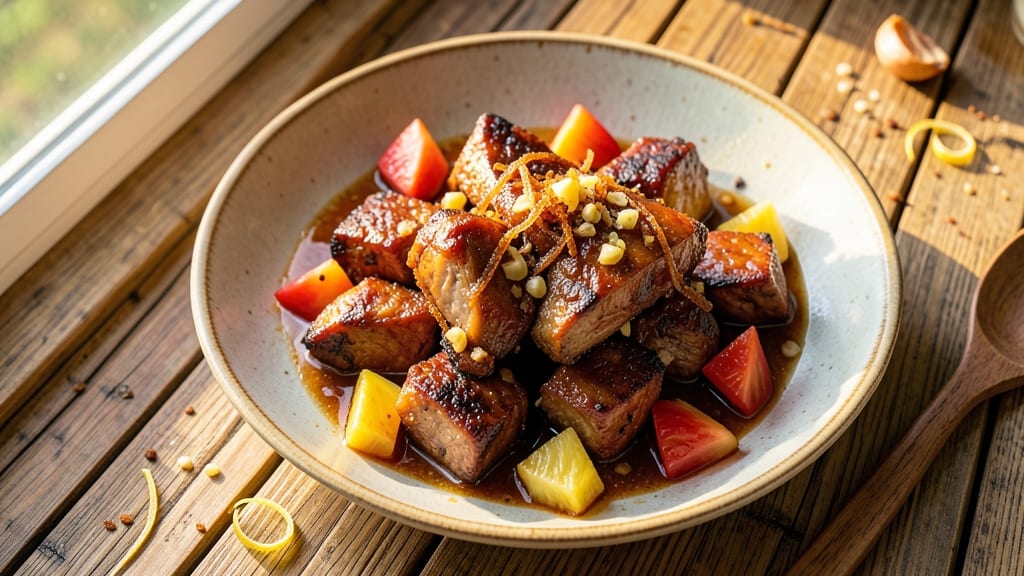
Filipino pork barbecue with pineapple juice transforms tough cuts into melt-in-your-mouth perfection through a sweet-tangy glaze that caramelizes beautifully over the grill. I first discovered this technique during a coastal ride through the Philippines, where the combination of smoky pork and bright pineapple became an obsession. The key lies in balancing the natural sweetness of the pineapple with savory soy and aromatic spices, creating a glaze that both tenderizes and adds depth.
This dish delivers restaurant-quality results without requiring specialty equipment—just a grill or stovetop pan and patience. The marinade works its magic overnight, breaking down the meat while infusing it with vibrant flavors.
What makes this recipe special is how the pineapple juice not only tenderizes but also creates that signature caramelized crust when grilled, giving each bite a perfect balance of sweet, smoky, and savory notes.
By the time you're done, you'll have perfectly charred pork pieces with a glossy, sticky glaze that clings to every bite. The aroma alone will have everyone gathering around the table, and the contrast of tender meat with that bright, tangy sauce makes this dish unforgettable.
It's the kind of meal that feels both celebratory and comforting, perfect for gatherings or a special weeknight dinner.
The best part? This recipe scales beautifully—whether you're feeding a crowd or just treating yourself. The marinade can be prepped ahead, and the cooking process is straightforward, ensuring you'll have time to enjoy the results rather than stress over the process. Let's get started on this flavor-packed masterpiece.
Ingredients for filipino pork barbecue recipe with pineapple juice
Sweet-tangy magic starts with these vibrant ingredients that transform tough pork into irresistible bites.
| Ingredient | Amount | Notes |
|---|---|---|
| Pork Shoulder 🍖 | 2 lb | Cut into 1.5-inch chunks, bone-in preferred |
| Pineapple Juice 🍍 | 1 cup | Freshly squeezed, no pulp |
| Soy Sauce 🍶 | ½ cup | Dark soy for deeper color |
| Brown Sugar 🍚 | ½ cup | Packed light, no substitutions |
| Garlic Cloves 🧄 | 8 cloves | Minced, fresh preferred |
| Fresh Ginger 🌿 | 2 tbsp | Grated, young ginger preferred |
| Black Peppercorns 🌶️ | 1 tsp | Freshly cracked, not ground |
| Calamansi Juice 🍋 | ¼ cup | Or substitute lime juice |
| Fish Sauce 🐟 | 1 tbsp | Red Boat brand recommended |
| Olive Oil 🫒 | 2 tbsp | For searing, high smoke point |
| Green Onions 🧅 | 4 whole | Sliced, for garnish |
| Fresh Cilantro 🌿 | ¼ cup | Chopped, for garnish |
| Kosher Salt 🧂 | 1 tbsp | Diamond Crystal preferred |
The pork shoulder is the star here—bone-in cuts stay juicier, but boneless works too. Grab a 2-pound cut from your butcher or the meat department; it's worth asking for a chunk with good marbling. For the pineapple juice, fresh is non-negotiable—canned juice lacks the bright acidity that caramelizes beautifully. I always buy a whole pineapple, juice it myself, and freeze the extra for future marinades. The dark soy sauce from Asian markets gives that signature deep color, but regular soy works in a pinch. Fresh ginger and garlic? No substitutes—they're the aromatic backbone of this dish. If you can't find calamansi, lime juice works, but it won't be exactly the same.
No fish sauce? Soy sauce plus a dash of Worcestershire gets you close, though it won't be identical. Running low on brown sugar? White sugar at the same amount works, but the molasses notes in brown sugar add depth. The olive oil is just for searing—use whatever's in your pantry, but high smoke point oils like avocado or grapeseed work best. Want to make this spicier? Add a dash of sriracha or chili flakes to the marinade. The green onions and cilantro are just for garnish—skip them if you're not a fan, but they add that fresh finish that makes this dish pop. Pro tip: Toast the peppercorns lightly before grinding for extra aroma.
Marinate the pork overnight—24 hours minimum—for maximum tenderness. Store the marinade in a sealed container in the fridge, and the pork can stay in it for up to 3 days without issue. Once cooked, the pork reheats beautifully—just warm in a pan with a splash of the leftover glaze. The glaze itself keeps for 1 week in the fridge, though it's best used fresh. For parties, double the marinade and cook the pork in batches. The leftovers? Freeze for up to 3 months—they make killer sandwiches or tacos later.
Why You'll Love This Recipe
- One-Pan Magic: I swear by this recipe—just toss the pork shoulder in a deep pan, add the pineapple juice and soy sauce, then let it simmer. No flipping, no fussing, just hands-off cooking while you handle everything else.
- Sweet-Savory Balance: That pineapple juice isn’t just for flavor—it tenderizes the pork while cutting through the richness. The brown sugar caramelizes into a glossy glaze that makes every bite irresistible, even when reheated.
- Weeknight Workhorse: I make this when I’m feeding a crowd or meal prepping for the week. It’s hearty enough for a family dinner but easy enough to serve with rice, steamed veggies, or even in tacos later.
- Budget Stretch: Pork shoulder is affordable, and this recipe stretches it far—leftovers reheat beautifully for sandwiches or fried rice. Honestly, I’ve had this same batch last me five days without getting tired of it.
Step-by-step instructions for Filipino pork barbecue with pineapple glaze
This method delivers restaurant-quality Filipino-style pork with a caramelized, sweet-tangy glaze that clings perfectly to each bite.
Prepare the Pork and Marinate Overnight
Cut the 2 lb pork shoulder into 1.5-inch chunks, keeping some bone-in pieces for extra flavor. In a large bowl, combine the pork with 1 cup pineapple juice, 0.5 cup soy sauce, 0.5 cup brown sugar, 8 minced garlic cloves, 2 tbsp grated fresh ginger, 1 tsp freshly cracked black peppercorns, 0.25 cup calamansi juice, and 1 tbsp fish sauce. Mix thoroughly until every piece is evenly coated.
Cover the bowl and refrigerate for at least 12 hours—this overnight marinade transforms tough pork into tender, flavorful bites. The acidity from the pineapple and calamansi breaks down the fibers, while the soy and fish sauce infuse deep umami. Real talk: skipping this step means bland, dry pork. Trust the process.
Sear the Pork for Maximum Flavor
Heat 2 tbsp olive oil in a large skillet over medium-high heat until shimmering. Working in batches, add the marinated pork and sear for 3-4 minutes per side until deeply browned. Don't crowd the pan—this ensures a proper crust. Transfer the seared pork to a plate and set aside.
This searing step is non-negotiable. The Maillard reaction happening here creates the foundational flavor that carries through the entire dish. If your pork releases easily from the pan, it's ready to move. If it sticks, let it cook another minute—patience here prevents a mushy final product.
Simmer the Pork in Its Glazing Liquid
Return the skillet to medium heat and add the reserved marinade from the bowl. Bring to a gentle simmer, then reduce heat to low and let it cook uncovered for 1 hour to 1 hour 15 minutes, stirring occasionally. The liquid should reduce by about half, becoming thick and syrupy with a deep amber color.
Here's where the magic happens: the sugars caramelize while the pork tenderizes in its own juices. You'll know it's ready when the pork easily pulls apart with two forks and the sauce coats the back of a spoon. If the sauce reduces too quickly, add 1-2 tablespoons of water to maintain the glaze consistency.
Finish with Fresh Herbs and Garnish
Once the pork is tender and the glaze has thickened, remove the skillet from heat. Stir in 0.25 cup chopped fresh cilantro and 4 sliced green onions, letting them wilt slightly in the warm sauce. Taste and adjust seasoning—you might need a touch more kosher salt or fish sauce to balance the sweetness.
This final step brightens the dish with freshness. The cilantro adds a citrusy note that cuts through the richness, while the green onions provide a subtle crunch. Serve immediately over steamed rice with extra glaze spooned over the top—each bite should be sticky, sweet, and packed with porky goodness.
Pro Tips For Making Filipino Pork Barbecue Recipe With Pineapple Juice
- Simmer the Pork Longer: I used to pull the pork out too soon, thinking it was tender enough—only to have it fall apart when sliced. For real pull-apart texture, cook it until it’s actually falling off the bone (about 2.5–3 hours on low heat), then let it rest 10 minutes before slicing. The juices redistribute, and the meat stays cohesive.
- Reduce the Pineapple Juice: That first splash of pineapple juice is delicious, but if you don’t reduce it first, your sauce will turn watery and thin. Simmer half the juice in a separate pan until it’s syrupy (about 5 minutes), then mix it in at the end. Trust me, your glaze will be richer and stickier.
- Don’t Skip the Garlic Burn: After browning the pork, toss in those minced garlic cloves and let them actually brown—just until they’re golden and smell like heaven. I learned this the hard way: raw garlic in the sauce tastes harsh and underdeveloped. A quick 30-second sizzle makes all the difference.
- Use Less Soy Sauce Early: Filipino barbecue sauce is bold, but adding all the soy sauce at once can make the pork taste salty and one-dimensional. Reserve 1–2 tablespoons to add later, right before serving. This balances the flavor and keeps the dish from tasting like a salt bomb.
Perfect pairings for this filipino pork barbecue recipe with pineapple juice
Rice Pairings
Serve your Filipino pork barbecue over steamed jasmine rice—its delicate floral aroma complements the dish's bold flavors perfectly. I like to cook 2 cups of rice for every 2 pounds of pork, as the sticky glaze soaks in beautifully.
For extra richness, try garlic fried rice with day-old rice stir-fried in butter and minced garlic. The crispy edges add texture contrast that makes each bite even more satisfying. 🍚
Side Dish Ideas
Add kinilaw (Filipino ceviche) for a refreshing contrast—the tangy lime-marinated seafood cuts through the pork's sweetness. I make mine with fresh tuna or shrimp, diced cucumber, and red onion, tossed in calamansi juice and chili flakes.
Another winner is lumpia (Filipino spring rolls) with a crispy egg wrapper—store-bought or homemade works. For a heartier option, garlic green beans sautéed with 1 tbsp butter and 2 minced garlic cloves add a simple, elegant touch.
Drink Pairings
A cold San Miguel beer (the Philippines' classic lager) is my go-to—its crisp, clean finish balances the dish's richness. For non-alcoholic options, calamansi soda (mix ½ cup calamansi juice with 2 cups sparkling water and 2 tbsp sugar) mirrors the dish's bright acidity.
If you're serving wine, a dry Riesling with its citrus notes enhances the pineapple's sweetness without overpowering the pork. Pro tip: Serve drinks slightly chilled but not ice-cold to highlight their flavors. 🍺
Garnish Boosts
Fresh cilantro and green onions aren't just garnishes—they're flavor multipliers. I like to sprinkle toasted sesame seeds for crunch, too. For a smoky touch, add ½ tsp smoked paprika to the glaze before serving.
If you're feeling fancy, drizzle with a few drops of chili oil for heat and visual drama. These finishing touches elevate the dish from homemade to restaurant-worthy in seconds. ✨
Make-Ahead Sides
Prep sides ahead to streamline your cooking day. Steamed rice keeps well for 2 days in the fridge—just reheat with a splash of water. Lumpia can be frozen raw and fried fresh when ready.
For kinilaw, marinate the seafood up to 4 hours ahead but add the cucumber and onion just before serving to prevent sogginess. This way, you can focus on grilling the pork without stress. 💡
Nutrition facts
Frequently asked questions
Can I use canned pineapple juice instead of fresh?
Fresh pineapple juice is ideal because it has more vibrant acidity that helps tenderize the meat and caramelize beautifully. However, if you must use canned, choose 100% pineapple juice with no added sugar—avoid juices with preservatives or sweetener. For best results, reduce the brown sugar by 1 tablespoon since canned juices often contain some natural sweetness. The flavor won't be identical, but it'll still work in a pinch.
What's the best cut of pork for this recipe?
Pork shoulder (also called Boston butt) is perfect because it's flavorful and stays juicy when cooked low and slow. Bone-in cuts are ideal—they add extra flavor, but boneless works too. Avoid lean cuts like tenderloin, as they dry out easily. For a quicker version, use pork loin cut into chunks, but reduce cooking time by 15-20 minutes since it's more tender.
How do I adjust the sweetness if I don't like it too sugary?
Start by reducing the brown sugar to ¼ cup and taste the marinade before adding the pork. If you prefer more tang, increase the calamansi or pineapple juice by 1-2 tablespoons. For a savory twist, add 1 extra tablespoon of fish sauce or a pinch of black pepper. Remember, the glaze will caramelize and intensify during cooking, so start with less sugar than you think you need.
Can I grill this instead of using a stovetop pan?
Grilling adds fantastic smoky depth. Marinate the pork as directed, then thread pieces onto skewers or grill directly on a rack. Preheat your grill to medium-high heat and sear the pork for 3-4 minutes per side before moving to indirect heat. Cover and cook for 10-15 minutes, basting occasionally with the reserved marinade. Finish by brushing with extra glaze and serving with charred grill marks. For extra flavor, add hickory or fruitwood chips to the coals.
What if my pork turns out dry?
Dry pork usually happens from overcooking or using lean cuts. First, ensure you're using a bone-in cut and marinating overnight. If it's still dry, try this fix: Slice the pork thinly, toss with 2 tablespoons of the reserved glaze, and warm through in a skillet for 2-3 minutes. The extra sauce will add moisture. For future attempts, use a meat thermometer—pork is done at 195°F (it'll pull apart easily). If you're grilling, move pieces to indirect heat once seared.