
Side Dishes
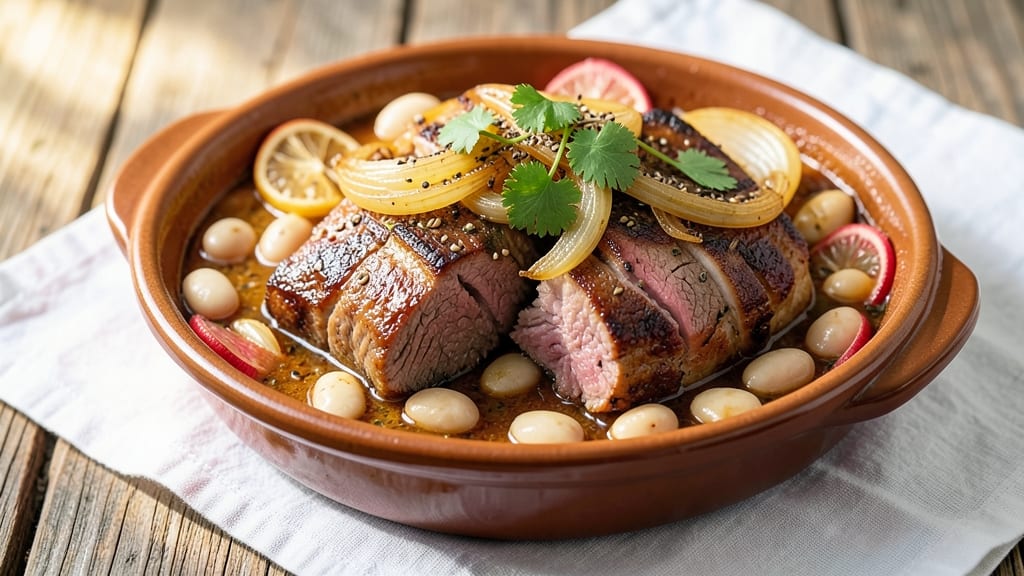
This one-pot beef pochero with pork and beans delivers the soul-warming flavors of Filipino comfort food in a single, aromatic pot. 🌟 The secret lies in slow-braising tough cuts until they become fork-tender, while beans and spices create a rich, smoky broth that tastes even better the next day.
I first discovered this recipe during a visit to my friend's family in Manila, where it fed a crowd with minimal effort—just like the stews my Nonna used to make back in Boston.
The beauty of this dish is its adaptability—use whatever cuts of beef and pork you have on hand, and let the long cooking time transform them into melt-in-your-mouth perfection. The beans add heartiness, while garlic, ginger, and black pepper build layers of warmth that define this classic Filipino stew.
It's the kind of meal that turns a simple weeknight into a celebration of home-cooked goodness.
What you'll end up with is a hearty one-pot stew with tender meat, creamy beans, and a deeply flavorful broth that clings to every bite. The slow cooking process develops a smoky depth that's impossible to achieve with quick methods, making this dish worth the wait.
Serve it with steamed rice to soak up every last drop of that rich, savory sauce.
This recipe scales beautifully for gatherings, and leftovers reheat even better the next day. Perfect for feeding a crowd or meal prepping for the week, it's the ultimate comfort food that brings people together. Let's get cooking!
Ingredients for beef pochero recipe with pork and beans
Sixteen ingredients for a one-pot wonder that feeds a crowd and tastes even better tomorrow.
| Ingredient | Amount | Notes |
|---|---|---|
| Chuck Roast Beef 🥩 | 2 lb | Cut into 1.5-inch cubes |
| Pork Shoulder 🐖 | 1 ½ lb | Cut into 1.5-inch cubes |
| Large White Beans 🌿 | 2 cups | Soaked overnight or canned, drained |
| Yellow Onion 🧅 | 1 whole | Chopped into 1-inch pieces |
| Garlic Cloves 🧄 | 8 cloves | Minced or crushed |
| Fresh Ginger 🌿 | 2 tbsp | Grated, or 1 tbsp ground ginger |
| Black Peppercorns 🌶️ | 2 tbsp | Crushed, not ground |
| Bay Leaves 🌿 | 2 whole | Dried, for deep flavor |
| Tomato Paste 🍅 | 2 tbsp | Smooth, not chunky |
| Olive Oil 🫒 | ½ cup | Extra-virgin for richness |
| Beef Broth 💧 | 4 cups | Low-sodium preferred |
| Salt 🧂 | 1 ½ tsp | Kosher or sea salt |
| Soy Sauce 🍶 | 2 tbsp | Dark soy for color |
| Brown Sugar 🍚 | 1 tbsp | For subtle sweetness |
The beef and pork are the stars here—chuck roast and pork shoulder give you that melt-in-your-mouth texture after hours of slow cooking. Costco or local butchers usually have these cuts pre-cut, which saves time. If you're buying whole, ask for the meat to be cut into 1.5-inch chunks. The beans? Canned navy or great northern beans work in a pinch, but soaked white beans have more flavor. For the ginger, fresh is best—it brightens up the whole dish, but ground ginger works if you're in a hurry. Black peppercorns should be crushed, not ground, to keep the flavor intense.
No soy sauce? Substitute with 1 tbsp fish sauce and 1 tbsp vinegar—just be aware fish sauce has a stronger umami kick. Running low on beef broth? Chicken broth with an extra splash of Worcestershire does the trick. The tomato paste can be swapped for 1 cup crushed tomatoes if you prefer a chunkier texture. For the beans, kidney beans or lima beans add a nice twist. And if you're feeling adventurous, swap half the beef for oxtail—it adds incredible depth to the broth.
This stew only gets better with time, so make a double batch if you can. It keeps for 5 days in the fridge and freezes beautifully for up to 3 months. I like to portion it into containers with a scoop of rice—just reheat everything together. The flavors meld even more overnight, so don't be afraid to let it sit. If you're serving a crowd, double the rice—this stew disappears fast.
Why You'll Love This Recipe
- One-Pot Magic: Honestly, I dump everything—beef, pork, beans, onions—into a single pot and walk away. The slow simmer does all the work while you’re streaming, grading papers, or pretending to fold laundry.
- Deep Umami Bomb: That chuck roast and pork shoulder? They melt into the beans, soaking up garlic and onion until the broth is thick with flavor. Not just "good"—the kind of taste that makes you close your eyes and sigh.
- Leftovers That Save Me: Between us, this recipe makes way more than I can eat in one sitting. Reheat the next day for sandwiches, or freeze portions for when I’m too tired to cook. (Yes, even on a Tuesday night.)
- Budget-Friendly Feast: A pound of chuck, a pork shoulder, and dried beans stretch across multiple meals without breaking the bank. It’s the kind of dish where you get rich flavor for the price of a single steak dinner.
Step-by-step instructions for beef pochero with pork and beans
This hearty stew comes together in one pot with rich, smoky flavors that deepen as it simmers.
🍳 Step 1: Sear the Meats for Deep Flavor
Heat the 0.5 cup olive oil in a large Dutch oven over medium-high heat until shimmering. Add the 2 lb chuck roast beef and 1.5 lb pork shoulder in batches, working in batches if needed to avoid crowding. Sear for 3-4 minutes per side until deep golden brown—this creates a flavorful crust that dissolves into the stew.
Here's the thing—don't rush this step. You want those meat cubes to develop a nice crust before you remove them. Once all the meat is browned, transfer it to a plate and set aside. You'll notice the oil will darken slightly from the caramelization—this is pure flavor we're capturing.
🍳 Step 2: Build the Aromatic Base
In the same Dutch oven, add the 1 whole yellow onion and cook for 5 minutes until softened and starting to brown. Add the 8 cloves garlic cloves and 2 tbsp fresh ginger, cooking for another 1 minute until fragrant—you should smell that fresh garlic and spicy ginger wafting through your kitchen.
Stir in the 2 tbsp tomato paste and cook for 2 minutes to deepen its flavor. This step forms the flavor foundation for your stew. I always add the tomato paste at this stage because it helps balance the richness of the meat with a touch of acidity.
🥘 Step 3: Combine All Ingredients and Simmer
Return the browned meats to the pot. Add the 2 cups large white beans, 4 cups beef broth, 2 whole bay leaves, 2 tbsp crushed black peppercorns, 2 tbsp soy sauce, 1 tbsp brown sugar, and 1.5 tsp salt. Stir everything together until the beans and broth are fully incorporated.
Bring to a boil, then reduce heat to low and cover partially. Let it simmer gently for 2-2.5 hours until the meats are fork-tender. I know it's tempting to check it often, but resist the urge—lifting the lid releases steam and can make the cooking time longer. Instead, trust the process and let it develop those rich flavors.
⏰ Step 4: Finish and Adjust Seasoning
Once the meats are tender (they should easily pull apart with a fork), taste the stew and adjust seasoning if needed. You might need a little more salt or a splash of soy sauce to balance the flavors. The beans should be tender but not mushy—if they're still firm, let it simmer another 15-20 minutes uncovered to thicken the sauce slightly.
Here's where the magic happens: remove the 2 whole bay leaves before serving. They've done their job infusing flavor, but they can be tough if left in. The stew should have a rich, smoky aroma with a balance of sweetness from the brown sugar and umami from the soy sauce and seared meats.
🍽️ Step 5: Serve Warm with Crusty Bread
Ladle the beef pochero into bowls, making sure each serving gets a good portion of both meats and beans. Garnish with a sprinkle of fresh parsley if you have it—it adds a bright contrast to the rich stew. The perfect serving temperature is 180-190°F, so serve it immediately while still steaming hot.
This one-pot wonder is even better the next day as the flavors meld together. I like to serve it with warm crusty bread to soak up all that delicious sauce. The combination of tender beef, pork, and hearty beans creates a satisfying, comforting meal that's perfect for cold days.
Pro Tips For Making Beef Pochero Recipe With Pork And Beans
- Sear the Meat First: The chuck roast and pork shoulder won’t tenderize themselves. Get that Dutch oven screaming hot—cast iron works best—and sear both cuts until they’re deep brown, not just pink. I used to skip this, thinking it was extra work, but the difference in flavor? Night and day. (Yes, even if you’re impatient like me.)
- Soak Beans Overnight: Large white beans are stubborn little things. Skip the soaking, and you’ll end up with a stew that’s more mush than texture. Toss them in cold water for at least 8 hours—12 if you’re in a rush and want them extra tender. Pro move: Drain and rinse them right before adding to the pot to avoid any funky water flavors.
- Control the Heat: Start with a boil, but once everything’s in the pot, drop the heat to a gentle simmer. I learned this the hard way—boiling too hard makes the beans disintegrate and the meat turn out chewy. A steady, low simmer (barely bubbles) keeps everything tender without falling apart. (Your future self will thank you.)
- Brown the Onions Slowly: Onions caramelize best when they’re not rushed. Slice them evenly and cook them over medium-low heat for 15-20 minutes, stirring occasionally, until they’re golden and sweet. I was skeptical until I tried it—skipping this step means you’re missing out on that deep, rich flavor that ties the whole dish together. (Does it look weird? Yes. Does it work? Every single time.)
Wine and beer pairings for beef pochero recipe with pork and beans
Red Wine Pairings
For this rich, smoky stew, I reach for a medium-bodied red wine that can stand up to the deep flavors while complementing the umami notes. A Cabernet Sauvignon from Napa Valley—like the Robert Mondavi Reserve—works beautifully with its dark fruit and earthy undertones.
The wine's tannins cut through the stew's richness, while its blackcurrant flavors echo the soy sauce and black pepper. 🍷
If you prefer something lighter, try a Pinot Noir from Oregon—like Domaine Serene. Its bright acidity and red fruit notes balance the stew's heartiness without overwhelming it. I've also found that a Syrah from Washington State, such as Chateau Ste.
Michelle, adds a spicy kick that mirrors the ginger and black pepper in the dish.
Beer Pairings
For beer lovers, a dark lager or amber ale is my go-to choice. A Belgian-style dubbel like Westmalle Dubbel brings malty sweetness and caramel notes that harmonize with the brown sugar and soy sauce. The beer's slight bitterness also cleanses the palate between bites of tender meat. 🍺
If you're serving this stew at a casual gathering, a brown ale like Samuel Smith's Nut Brown Ale offers a nutty, toasty profile that pairs wonderfully with the stew's smoky depth. For something lighter, a German Helles—like Weihenstephaner Original—provides crisp acidity to contrast the dish's richness.
Non-Alcoholic Options
Don't worry if you're avoiding alcohol—there are still great options! A sparkling ginger beer like Feather's Ginger Beer adds a refreshing zing that complements the ginger in the stew. The effervescence also helps cut through the richness. 🥤
For a more substantial pairing, try a cold-brewed hibiscus tea—it has a tart, cranberry-like flavor that enhances the stew's depth. I've also found that a sparkling apple cider with a hint of cinnamon adds a festive touch while balancing the dish's savory notes.
Nutrition facts
Frequently asked questions
Can I use canned beans instead of dried?
Canned beans work perfectly here—just drain and rinse them well to remove excess sodium. For the best flavor, use canned navy or great northern beans, but kidney or lima beans add nice variety. The recipe already accounts for canned beans' slightly softer texture, so no adjustments are needed beyond proper rinsing.
What's the best cut of beef for this recipe?
Chuck roast is ideal because it stays tender during long cooking, but stew meat or brisket also work beautifully. Avoid leaner cuts like sirloin—they can dry out. If your butcher doesn't have chuck roast, ask for "beef for stewing." The key is marbling, which keeps the meat juicy throughout the 2-2.5 hour simmer.
Why does my stew taste bland after simmering?
This usually happens from insufficient seasoning or not searing the meat properly. First, always sear the meat until deeply browned—this builds flavor. Second, taste as you go and adjust with soy sauce or salt. The brown sugar and tomato paste also need time to develop flavor, so let it simmer uncovered for 15-20 minutes at the end if needed.
Can I make this in an Instant Pot?
Yes! Use the "High Pressure" setting for 45 minutes after searing the meat. After cooking, let the pressure release naturally, then adjust seasoning. The beans may be slightly softer than stovetop, but the meat will still be tender. For best results, use a trivet to keep the meat submerged in the broth during pressure cooking.
What's the secret to making this stew reheat well?
The secret is in the sauce! When reheating, add 2-3 tablespoons of water or broth per cup of stew to prevent thickening. Heat gently over low-medium heat for 10-15 minutes, stirring occasionally. The stew actually improves overnight as flavors meld, so don't be afraid to make extra for leftovers—just store it in an airtight container.