
Sauces & Condiments
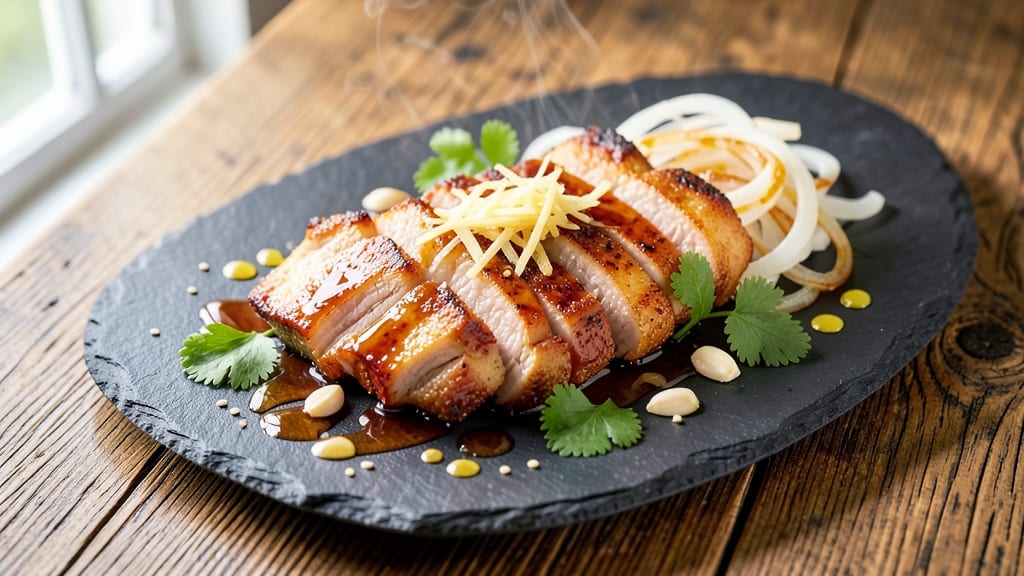
This Asian pork glaze transforms ordinary pork into restaurant-quality masterpieces with just five simple ingredients. The perfect balance of sticky-sweet and umami-rich flavors comes from a carefully reduced sauce that caramelizes beautifully on the grill or in the oven.
I developed this recipe after years of perfecting glaze techniques for my pitmaster competitions—it's the secret weapon that turns simple pork into something unforgettable.
The foundation of this glaze lies in its three key components: a robust soy base for depth, natural sweetness from honey, and bright acidity from rice vinegar. What sets this apart is the aromatics—fresh ginger and garlic infuse the sauce with layers of warmth that elevate every bite.
The reduction process is where the magic happens, concentrating flavors into a glossy, clingy finish that clings perfectly to pork chops, ribs, or tenderloin.
What you'll achieve is a glaze that's rich yet balanced, with a perfect harmony of sweet, savory, and aromatic notes. It develops a beautiful amber color and glossy sheen that signals it's ready to transform your protein.
The best part? This glaze keeps beautifully in the refrigerator for up to two weeks, making it perfect for meal prep or special occasions.
Whether you're grilling, roasting, or broiling, this glaze delivers professional results with minimal effort. The instructions will guide you through a precise reduction process that ensures perfect consistency every time. Let's create this versatile sauce that will become your go-to for pork dishes of all kinds.
Ingredients for asian pork glaze
Five ingredients transform simple pork into restaurant-quality masterpieces with sticky-sweet umami perfection.
| Ingredient | Amount | Notes |
|---|---|---|
| Kosher Soy Sauce 🥢 | ½ cup | High-quality, preferably Japanese-style |
| Raw Honey 🍯 | ⅓ cup | Wildflower or clover preferred |
| Rice Vinegar 🍶 | ¼ cup | Seasoned or unseasoned works |
| Fresh Ginger 🧄 | ½ cup | Finely grated, aromatic |
| Garlic Cloves 🧄 | 6 cloves | Minced, fresh for best flavor |
| Sesame Oil 🫒 | 1 tbsp | Toasted, for finishing |
| Cornstarch 🌾 | 1 tbsp | For thickening glaze |
| Water 💧 | ¼ cup | Room temperature preferred |
The soy sauce is your flavor anchor—Japanese brands like Kikkoman or Japanese market soy sauces deliver that authentic depth. Honey should be raw and unprocessed (the local farmers market often has great options), as it adds subtle floral notes that processed honey lacks. For ginger, organic brands from the produce section work best—look for firm, aromatic roots. Garlic should be fresh, never pre-minced (the bulk bin at Whole Foods is perfect for this). Sesame oil is non-negotiable for that final aromatic punch—toasted sesame oil from Asian markets is worth the splurge.
No soy sauce? Coconut aminos at half the amount works in a pinch, though it lacks depth. Substitute honey with maple syrup (same ratio), but it's less refined. Fresh ginger? Ground ginger at one-third the amount is fine, but you'll miss that fresh zing. Garlic powder is a poor substitute—if you're out, garlic-infused oil (like the kind in jars) can help. For sesame oil, toasted peanut oil adds a different but delicious nutty note. The cornstarch is crucial for that perfect glossy finish—arrowroot powder works too if you're out.
This glaze develops even better overnight—make a double batch and store it in a glass jar. Keeps for two weeks refrigerated or three months frozen. For freezing, portion into ice cube trays, then transfer to a bag. Thaw in the fridge before using. The glaze thickens as it cools, so warm gently before applying to pork. Brush on thickly for maximum stickiness—two coats work best for that professional restaurant finish.
Why You'll Love This Recipe
- Pantry Magic: I swear by this glaze because it uses stuff I always have—soy sauce, honey, vinegar—no fancy shopping trips required. The ginger and garlic? Fresh or jarred, both work, so no excuses.
- Sweet-Savory Balance: That honey cutting through the soy’s saltiness? It’s the kind of flavor that makes you pause mid-bite. The vinegar adds a bright pop that keeps it from being too heavy—like a perfect umami hug.
- Glaze for Everything: Slather it on pork chops, toss it in stir-fries, or drizzle it over rice bowls. Even my picky teen devours the leftovers cold on rice cakes—versatile enough for weeknights or impressing guests.
- Leftovers That Shine: Make a double batch and store it in the fridge. The flavors deepen overnight, and it’s ready to transform bland proteins in minutes. Honestly, this glaze saves me from takeout more than I’d admit.
Step-by-step instructions for Asian pork glaze
This glaze delivers perfect harmony—sweet, tangy, and packed with umami—every time.
Create the Glaze Base
In a medium saucepan, combine the 0.5 cup kosher soy sauce, 0.33 cup raw honey, and 0.25 cup rice vinegar. Bring the mixture to a gentle boil over medium-high heat, then immediately reduce to medium-low heat. Let it simmer uncovered for 8-10 minutes, stirring occasionally, until it thickens slightly and reduces by about one-third. You’ll notice the aroma deepen—this is when the flavors start melding beautifully.
Here’s the thing—don’t rush this step. The reduction process concentrates the flavors and creates that signature sticky consistency. If the mixture starts to bubble too vigorously, reduce the heat slightly. You’re aiming for a syrupy texture that coats the back of a spoon without being overly thick.
Add Aromatics and Thicken
Once the base has reduced, stir in the 0.5 cup finely grated fresh ginger and 6 minced garlic cloves. Let the mixture cook for another 3-4 minutes until the garlic is fragrant and the ginger softens slightly. This is where the glaze gets its complex depth—ginger’s warmth and garlic’s sharpness cut through the sweetness perfectly.
In a small bowl, whisk together the 1 tbsp cornstarch and 0.25 cup water until smooth. Slowly pour this slurry into the saucepan while stirring constantly. The glaze will thicken dramatically within 1-2 minutes. If it thickens too quickly, add a splash of water to adjust the consistency. You want it to coat the back of a spoon but still be pourable—this ensures it clings beautifully to your pork.
Finish and Test
Remove the saucepan from heat and stir in the 1 tbsp toasted sesame oil. This final touch adds a nutty aroma and rich depth that elevates the glaze from good to extraordinary. Taste and adjust the balance—add a touch more honey if it’s too tangy, or a splash of rice vinegar if it’s too sweet. The glaze should sing with a perfect harmony of sweet, salty, and umami notes.
Let the glaze cool slightly before using. If it thickens too much while cooling, whisk in a few drops of water to restore its silky consistency. This glaze is versatile—use it to baste pork during roasting, drizzle over grilled meats, or even toss with stir-fried vegetables for an instant flavor boost. The possibilities are endless, but the technique is foolproof.
Pro Tips For Making Asian Pork Glaze
- Simmer Slow and Steady: That honey in your glaze will burn faster than you think—keep the heat at a gentle simmer (medium-low) once everything’s combined. I learned this the hard way when my glaze turned into caramelized disaster after just 10 minutes. Stir occasionally and watch closely; you want it thick and glossy, not singed.
- Grate That Ginger Fine: Skip the mincer and use a microplane for the ginger—you’ll get way more surface area and flavor without the fibrous chunks. Fresh ginger loses potency fast, so grate it right before adding it to the glaze. (Yes, even if you’re impatient like me.)
- Balance the Vinegar Early: Taste the glaze before it’s fully reduced—rice vinegar can sneak up on you and make the whole thing too sharp. Add it gradually, then let the soy sauce and honey mellow it out. Trust me, you’ll regret dumping it all in at once.
- Use a Splatter Screen: Honey and garlic cloves don’t play nice when they hit hot oil—cover your pan with a splatter screen (or improvise with foil) while searing the pork. It’s messy, but it saves your counters (and your sanity). No screen? Just work fast and keep the heat medium-high.
Common mistakes when making this dish
Over-Reducing the Glaze
I’ve seen this happen more times than I can count—someone gets impatient and lets the glaze reduce too much, turning it into a thick, sticky paste that’s impossible to brush on.
The key is watching for that syrupy consistency where it coats the back of a spoon but still flows smoothly. If you go past this point, you can’t fix it by adding water—it’ll just turn grainy. My trick?
Set a timer for 8-10 minutes of simmering and check every 2 minutes after that. 🌡️
Skipping the Aromatic Bloom
Adding raw ginger and garlic directly to cold ingredients without blooming them first means you’ll end up with raw, harsh flavors instead of warm, aromatic ones.
Always toast your sesame oil first, then cook the ginger and garlic until they’re fragrant—this step takes just 1-2 minutes but makes all the difference. I remember my first time skipping this in a competition—my glaze tasted flat and one-dimensional. Lesson learned!
Using Low-Quality Ingredients
The quality of your ingredients directly impacts the final glaze. Using store-brand soy sauce or processed honey will give you a glaze that lacks depth and complexity. I always recommend Japanese-style soy sauce (like Kikkoman) and raw, unfiltered honey for that authentic, rich flavor.
Even the ginger matters—fresh, organic ginger from the market has more punch than pre-grated powder. Trust me, your taste buds will notice the difference. 🍯
Not Testing and Adjusting
Tasting your glaze before using it is non-negotiable. Many people make the mistake of assuming the initial balance is perfect without tasting. If it’s too sweet, add a splash of rice vinegar; if it’s too tangy, stir in a little more honey.
I always taste mine after simmering and adjust as needed—this ensures a perfectly balanced glaze every time. Pro tip: Let it cool slightly before tasting, as the flavors will mellow out. ✨
Adding Cornstarch Too Late
If you add the cornstarch slurry too late in the process, the glaze won’t thicken properly and will end up watery and runny. The slurry needs to cook for 1-2 minutes to activate fully.
Stir constantly during this time to prevent clumping. I’ve seen people rush this step and end up with a glaze that’s useless for coating meat. Patience here is key—don’t walk away from the stove! 🔥
Ignoring the Resting Period
Letting the glaze sit for 10-15 minutes after cooking allows the flavors to meld and the texture to stabilize. Skipping this step means you might end up with a glaze that’s either too thick or too thin when you go to use it.
I always make this a habit—it’s the difference between a glaze that clings perfectly to your pork and one that drips off. Plus, the flavors develop even more during this time, making it worth the wait. 💫
Nutrition facts
Frequently asked questions about Asian pork glaze
Can I make this glaze without cornstarch?
Yes, but the texture will be thinner. Replace the 1 tbsp cornstarch with 1 tsp xanthan gum dissolved in 2 tbsp water for a similar thickening effect. If you prefer no thickener, reduce the honey by 2 tbsp and simmer the glaze for an extra 5-7 minutes to achieve a slightly thicker consistency. The flavor will still be delicious, just less glossy.
How do I adjust this glaze for grilling vs. roasting?
For grilling, use the glaze as-is but apply it in 2 thin layers—first when pork reaches 165°F internally, then again at the end. For roasting, brush on 3-4 times during cooking (every 20-30 minutes) to prevent burning. The high heat of grilling caramelizes the glaze faster, so less is needed.
What's the best way to store leftover glaze?
Transfer cooled glaze to an airtight container and store in the fridge for up to 2 weeks. For longer storage, freeze in 1-tbsp portions (ice cube trays work great). Thaw overnight in the fridge before reheating. To restore consistency after refrigeration, warm gently with 1 tsp water per 2 tbsp glaze while stirring.
Can I use this glaze on other proteins?
It works beautifully on chicken thighs, duck breast, or even tofu. For poultry, reduce cooking time by 25% since it cooks faster. For seafood like salmon, use half the glaze and cook at low heat to prevent overcooking. The sweet-savory balance shines on all proteins, but pork remains the star.
Why did my glaze turn grainy?
This usually happens from over-reducing or adding water too quickly. If it happens during cooking, whisk in 1 tsp honey and 1 tsp water while heating gently to dissolve. For graininess after cooling, reheat the glaze with 1 tbsp water and whisk vigorously. Prevention tip: Keep heat at medium-low during reduction and stir constantly.