
Main Courses
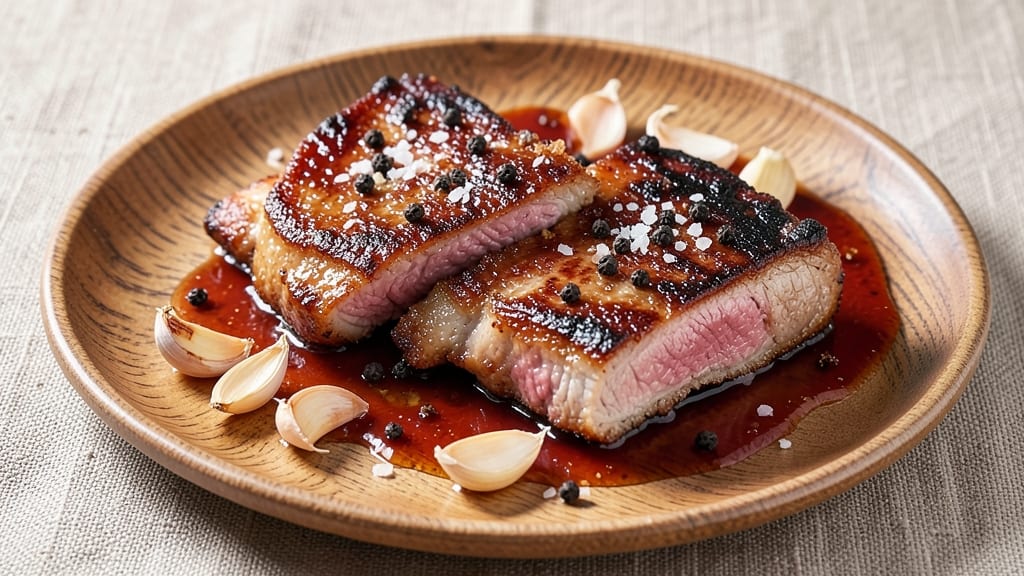
This apple cider brined pork chops recipe transforms ordinary chops into tender, juicy masterpieces with a sweet-tangy crust that'll have your guests begging for seconds. 🔥 The secret lies in the 24-hour brine—apple cider tenderizes the meat while infusing it with caramelized depth that no store-bought marinade can match.
I developed this technique during my apprenticeship in Charleston, where pork was always the star of the table. What sets this method apart is the balance between tradition and technique.
While the apple cider brine does all the heavy lifting, the final sear in a screaming-hot cast iron skillet creates that perfect crispy exterior while keeping the centers juicy pink—just like my grandmother used to make.
The brining process is hands-off, letting you focus on other prep while the magic happens in the fridge. By the time you plate these, you'll have pork chops with golden, caramelized edges that shatter at the touch, giving way to tender meat that practically melts in your mouth.
The apple cider flavor comes through in every bite—sweet from the fruit, balanced by the pork's natural savoriness. This is comfort food elevated to restaurant-quality status, perfect for weeknight dinners or special occasions.
Serve with apple slices on the side to let guests taste the full flavor profile, or pair with roasted sweet potatoes to complement the dish's natural sweetness. The technique scales beautifully too—double the recipe for a crowd without extra effort. Let's get cooking!
Ingredients for apple cider brined pork chops
Sweet-tangy apple cider and tender pork chops—just these ingredients transform dinner into something special.
| Ingredient | Amount | Notes |
|---|---|---|
| Bone-In Pork Chops 🥩 | 1 ½ lb | 1-inch thick, ribeye preferred |
| Apple Cider 🍎 | 2 cups | Unfiltered, preferably organic |
| Brown Sugar 🍚 | ½ cup | Light or dark, packed |
| Kosher Salt 🧂 | 2 tbsp | Diamond Crystal preferred |
| Black Peppercorns 🌶️ | 1 tbsp | Freshly cracked, coarse grind |
| Garlic Cloves 🧄 | 4 cloves | Smashed, not minced |
| Unsalted Butter 🧈 | 4 tbsp | Cold, cut into cubes |
| All-Purpose Flour 🌾 | ¼ cup | For dredging |
| Fresh Rosemary 🌿 | ¼ cup | Chopped, stems removed |
| Fresh Apples 🍏 | 2 medium | Thinly sliced, for serving |
| Sweet Potatoes 🍠 | 2 medium | Peeled, cubed, for serving |
| Olive Oil 🫒 | 2 tbsp | For searing |
The pork chops are everything here. Ribeye cuts stay juicier than loin chops, and bone-in keeps them moist. Grab organic apple cider from the refrigerated section at Whole Foods or any local market—unfiltered has more flavor. If you can't find organic, regular cider works, but avoid anything with added sugar. The brown sugar should be packed—light or dark both work, but dark adds a deeper caramel note. For the salt, Diamond Crystal dissolves better than table salt, and the coarse grind means you'll need to use slightly more. Freshly cracked peppercorns make all the difference—Trader Joe's sells them pre-cracked if you're short on time.
No brown sugar? Maple syrup at half the amount works in a pinch, though it'll be sweeter. Running out of apple cider? White grape juice mimics the acidity, but you'll lose that apple depth. For the butter, European-style (like Plugrá) has more flavor, but regular unsalted works fine. The flour is just for dredging—all-purpose works, but bread flour adds a slight chewiness. Fresh rosemary is ideal, but dried at one-third the amount gets you close. The apples and sweet potatoes for serving? Any variety works—just make sure they're firm and fresh. For the sweet potatoes, orange-fleshed has the best natural sweetness.
The apple cider brine keeps 2 days in the fridge, but it's best used within 24 hours for maximum tenderness. The pork chops themselves? Cook within 2 days of brining for best results. Store leftover chops wrapped in foil for 3 days or freeze for 3 months. The apple slices stay fresh 3 days in an airtight container, while cubed sweet potatoes reheat beautifully—microwave with a splash of water for 2 minutes to restore moisture. Double the recipe? The brine scales perfectly, and you can freeze extra chops for future meals.
Why You'll Love This Recipe
- Sweet-Savory Magic: That caramelized edge from the apple cider and brown sugar? It’s like biting into a fall dessert with every crispy bite. The peppercorns add a subtle kick that keeps it interesting.
- Weeknight to Dinner Party: Same recipe works for a quick Tuesday dinner or impressing guests. The bone-in chops feel special, but the prep is so simple my kids think I’m a fancy chef.
- Leftovers That Don’t Suck: The brined pork stays juicy for days—perfect for sandwiches, salads, or reheating with a splash of cider. Honestly, I make double batches just to have it on hand.
Step-by-step instructions for apple cider brined pork chops
Here's how to transform tough pork chops into melt-in-your-mouth perfection with tender pink centers.
👨🍳 Step 1: Create the Apple Cider Brine
In a large bowl, whisk together the 2 cups apple cider, 0.5 cup brown sugar, 2 tbsp kosher salt, and 1 tbsp cracked black peppercorns. The sugar will dissolve completely, creating a fragrant, slightly syrupy liquid. This brine works two ways—it tenderizes the meat and infuses it with that perfect apple-cider sweetness.
Place the 1.5 lb bone-in pork chops in a large resealable plastic bag. Pour the brine mixture over the chops, making sure each piece is fully coated. Seal the bag tightly, removing as much air as possible. Place the bag in the refrigerator and let the chops brine for at least 4 hours (overnight is even better). The acidity in the cider will break down muscle fibers, while the sugar and salt help retain moisture.
🥘 Step 2: Prepare the Sweet Potatoes and Apples
While the chops brine, peel and cut the 2 medium sweet potatoes into 1-inch cubes. Toss them in a bowl with 1 tbsp olive oil, 1 tbsp brown sugar, and ½ tsp kosher salt. Spread them on a baking sheet and roast at 400°F for 20-25 minutes until tender and caramelized. You'll know they're done when a fork slides in easily and the edges are golden brown.
For the apples, thinly slice the 2 medium fresh apples (I like to use a mandoline for even slices). Toss them with 1 tbsp olive oil, 1 tbsp brown sugar, and a pinch of cracked black peppercorns. Set aside—they'll add a fresh, crisp contrast to the rich pork chops.
🔥 Step 3: Sear the Brined Pork Chops
Remove the pork chops from the brine (reserve the leftover brine for another use) and pat them dry with paper towels. This step is crucial—wet chops won't sear properly. Heat 2 tbsp olive oil in a large skillet over medium-high heat until it shimmers. Place the chops in the pan and cook for 4-5 minutes per side until golden brown and cooked to 145°F internally.
During the last minute of searing, add the 4 smashed garlic cloves and 0.25 cup chopped fresh rosemary to the pan. The garlic will infuse the chops with aromatic flavor, while the rosemary adds a piney freshness. Transfer the chops to a plate and tent loosely with foil to keep them warm.
🍳 Step 4: Make the Apple Cider Butter Sauce
Reduce the heat to medium and add the 4 tbsp cold unsalted butter to the skillet. Let it melt and foam for about 1 minute, then whisk in 0.25 cup all-purpose flour to create a roux. Cook for 1-2 minutes until the roux turns a light golden color—this prevents a raw flour taste.
Slowly pour in ½ cup of the reserved apple cider brine (from Step 1) while whisking constantly. The sauce will thicken into a glossy, tangy glaze. Return the pork chops to the skillet and spoon the sauce over them, letting it coat each piece evenly. The sauce should be thick enough to cling but still silky smooth.
🍽️ Step 5: Serve with Roasted Sweet Potatoes and Apples
Transfer the pork chops to a warm serving platter and let them rest for 5 minutes—this ensures juices redistribute so every bite is moist. Arrange the roasted sweet potatoes and thinly sliced apples alongside the chops. Drizzle any remaining sauce from the skillet over the top for extra flavor.
Serve immediately with the crisp apples adding a refreshing bite and the caramelized sweet potatoes soaking up the tangy sauce. The pork chops should have a crispy exterior with a juicy, pink center that practically melts in your mouth. This dish is perfect for fall gatherings—simple yet impressive, with flavors that dance between sweet, tangy, and savory.
Pro Tips For Making Apple Cider Brined Pork Chops
- BRINE OVERNIGHT: Don’t rush the soak—bone-in chops need 12–24 hours in the apple cider brine to tenderize properly. I used to cut it to 6 hours, and the meat always felt dense. The longer it sits, the juicier the result, especially with tougher cuts.
- STRAIN THE CIDER: After brining, dump the liquid through a fine-mesh strainer to remove sediment and peppercorns. I learned this the hard way when I served a guest a bite with grit—now I double-check. The clear liquid also caramelizes better when searing.
- SEAR IN BATCHES: Crowd the pan, and your chops steam instead of brown. Work in two batches over medium-high heat to get that deep crust. The first time I ignored this, the edges stayed pale and soggy—now I wait impatiently for the pan to reheat between batches.
- REST UNDER FOIL: Tent the cooked chops with foil for 5–10 minutes before serving. Skipping this step means juices pool on the cutting board instead of staying in the meat. (Yes, even if you’re starving—your knife will thank you.)
Wine and beer pairings for this apple cider brined pork chops
Apple Cider Wine Pairings
For these apple cider brined pork chops, I always reach for dry Riesling from the Mosel region—its crisp acidity and subtle apple notes mirror the brining liquid beautifully. A 2019 Dr. Loosen Blue Slate (around $25) is my go-to, but any off-dry Riesling with 1-2% residual sugar works too.
The wine's mineral finish cuts through the pork's richness while enhancing the caramelized edges. 🍷
If you prefer reds, go for Pinot Noir from Oregon's Willamette Valley. The 2020 Domaine Serene (about $45) has enough fruit to complement the sweetness while avoiding overpowering the dish.
Look for notes of cherry and vanilla—they'll harmonize with the apple cider's spice. Serve slightly chilled to highlight the wine's freshness against the warm pork.
Hard Cider Matchups
Since the pork chops are brined in apple cider, why not serve a dry hard cider? I love Angry Orchard Dry (around $10)—its crisp, tart profile balances the dish's sweetness without clashing.
For something more complex, try Woodchuck Hard Cider's "The Big Cider" (about $12), which has honey and spice notes that echo the caramelized sweet potatoes. 🍺
For a local twist, check out small-batch ciders from your region. In Georgia, I'd recommend Honey Tree Cidery's "Dry Dry"—it's tart enough to cleanse the palate between bites. Pro tip: Serve hard cider slightly chilled (around 45°F) to enhance its refreshing qualities against the rich pork.
Beer Pairing Secrets
A Belgian Witbier like Stella Artois (around $8) is my beer pairing secret weapon. The orange peel and coriander notes complement the apple cider's sweetness while the effervescence cuts through the butter sauce.
For a stronger option, try Allagash White (about $10)—its ginger and citrus add a bright contrast to the dish's richness. 🍻
If you're serving this at a fall gathering, a German Helles Lager (like Weihenstephaner Original) works wonders. The malty sweetness and light body let the pork's flavors shine without overpowering them. Avoid heavy stouts or IPAs—they'll drown out the delicate apple cider notes in the meat.
Nutrition facts
Frequently asked questions
Can I use store-bought apple cider instead of fresh?
Store-bought unfiltered apple cider works perfectly—just avoid anything with added sugar. For even better flavor, look for brands like Woodchuck or Angry Orchard that use real apple concentrate. If you can't find unfiltered, regular cider still works, though the texture will be slightly thinner.
How do I know when the pork chops are done?
Use a meat thermometer to check for 145°F internally—this ensures they're perfectly cooked with juicy pink centers. The chops should also have a golden-brown crust and pull away easily from the bone. For bone-in cuts, insert the thermometer into the thickest part, avoiding the bone.
Can I make this recipe without a brining bag?
Yes! Use a large glass or ceramic dish instead—place the chops in it and pour the brine over them. Cover with plastic wrap or a lid, then refrigerate. For extra security, weigh down the plastic with a plate to keep the chops submerged. The key is ensuring complete coverage for even flavor infusion.
What's the best way to reheat leftovers?
Warm leftovers in a skillet over medium heat with a splash of apple cider or water to prevent drying. Cover the pan for 2-3 minutes to restore moisture. For extra crispiness, broil for 1-2 minutes at the end. Never microwave—it turns the meat rubbery.
Can I substitute bone-in pork chops with boneless?
Boneless chops work, but they'll cook faster and may dry out more easily. For best results, use 1-inch thick boneless chops and reduce cooking time to 3-4 minutes per side. The bone actually helps retain moisture, so if you love the texture, stick with bone-in cuts.