
Main Courses
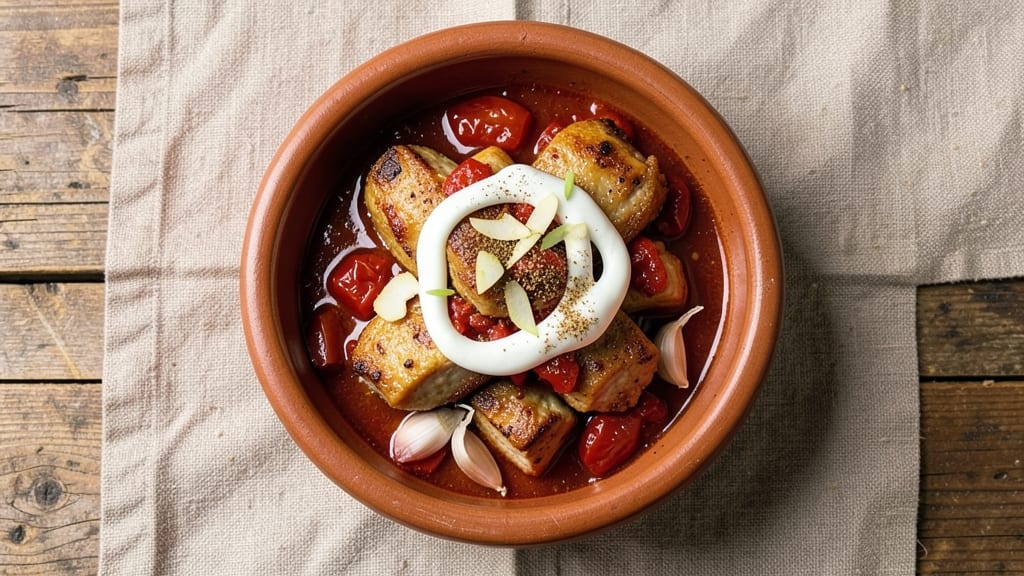
This Anglo-Indian pork curry recipe bridges two culinary worlds—bold British flavors meeting India’s aromatic spices. 🌟 After years of perfecting this fusion, I’ve developed a method that delivers restaurant-quality depth with simple techniques.
The secret lies in the marinade’s tangy yogurt and the gravy’s layered spices, tempered just right to release their full potential.
The pork transforms through a 30-minute marinade of yogurt, ginger, and garam masala, ensuring tender meat with complex flavor. Meanwhile, the coconut-tomato gravy builds in stages: blooming whole spices, caramelizing onions, and tempering mustard seeds for that signature Anglo-Indian crunch.
This isn’t just a curry—it’s a symphony of textures and aromas that’ll transport you to a colonial-era Indian kitchen.
By the time you serve it—steaming over buttery basmati rice with a side of pickled onions—you’ll taste the fusion: the richness of British colonial cuisine meets the vibrant heat of Indian spices.
The gravy clings perfectly to the pork, balancing sweet, tangy, and smoky notes in every bite. This is comfort food elevated, with techniques even home cooks can master.
Pair it with warm naan or crusty bread to soak up every last drop of that fragrant sauce. The leftovers? Even better the next day, as flavors meld further. Let’s get cooking—this curry is a game-changer for pork lovers and spice enthusiasts alike.
Ingredients for anglo indian pork curry
Pork shoulder, fragrant spices, and coconut milk—this fusion curry brings colonial comfort and Indian warmth together.
| Ingredient | Amount | Notes |
|---|---|---|
| Pork Shoulder 🥩 | 1 ½ lb | Cut into 1.5-inch cubes |
| Plain Yogurt 🥛 | ½ cup | Full-fat for creaminess |
| Fresh Ginger 🌿 | 1 tbsp | Finely grated, fresh preferred |
| Garam Masala 🌶️ | 1 tbsp | Toasted for deeper flavor |
| Garlic Cloves 🧄 | 6 cloves | Minced for marinade |
| Canned Crushed Tomatoes 🍅 | 14 oz | San Marzano preferred |
| Coconut Milk 🥥 | 13 ½ oz | Full-fat for richness |
| Yellow Onions 🧅 | 1 whole | Thinly sliced, yellow preferred |
| Mustard Seeds 🌱 | 1 tsp | Whole, yellow preferred |
| Bay Leaves 🌿 | 2 whole | Fresh if possible |
| Ground Cumin 🌶️ | 1 tsp | Toasted for aroma |
| Ground Coriander 🌿 | 1 tsp | Freshly ground preferred |
| Turmeric Powder 🧂 | ½ tsp | Bright yellow color |
| Cayenne Pepper 🔥 | ¼ tsp | Adjust for heat preference |
| Butter 🧈 | 2 tbsp | Unsalted preferred |
| Salt 🧂 | 1 ½ tsp | Diamond Crystal preferred |
| Black Peppercorns 🌶️ | ½ tsp | Freshly cracked |
The pork shoulder is the star, so look for well-marbled cuts—this ensures tenderness. I always grab mine from Whole Foods or my local butcher, but the supermarket’s pre-cut pork works too. For the garam masala, Madras brand is my go-to—it’s a blend of 18 spices, but you can use any quality brand. Fresh ginger and garlic are non-negotiable here; the marinade’s punch comes from their brightness. If you’re short on time, jarred minced garlic works in a pinch, but fresh is always better. The coconut milk should be full-fat—Thai Kitchen brand is widely available and reliable.
No garam masala? Mix 1 tsp each of cumin, coriander, cinnamon, cardamom, and black pepper—it’s not identical, but it’ll get you close. Running low on mustard seeds? Substitute with equal parts ground mustard, though the texture will differ slightly. The crushed tomatoes can be swapped for tomato purée if you prefer a smoother gravy. For heat control, reduce the cayenne to 1/4 tsp or swap for red pepper flakes. The butter in the gravy is key—it adds richness that coconut milk alone can’t match, so don’t skip this step. If you’re avoiding dairy, use vegan butter or extra coconut milk instead.
Marinate the pork for at least 30 minutes, but overnight is ideal—flavors meld deeper. The curry reheats beautifully; store leftovers in an airtight container for up to 4 days in the fridge. For longer storage, freeze portions for 3 months. I always make a double batch—it’s perfect for meal prep. The gravy thickens as it cools, so add a splash of water or coconut milk when reheating. Serve with steamed basmati rice and store-bought pickled onions for that classic Anglo-Indian touch—trust me, it’s worth the extra minute.
Why You'll Love This Recipe
- One-Pot Magic: I swear by this—just brown the pork, toss in the yogurt, garlic, and ginger, then let it slow-simmer. No extra pans, no fuss. The garam masala does all the work while you sip tea and watch it transform into something rich and fragrant.
- Flavor Bomb: That first bite of tender pork with the yogurt’s cool tang cutting through the warmth of the garam masala? It’s the kind of balance that makes you close your eyes. The ginger and garlic add a sharp, bright edge that keeps it from being too heavy—trust me, it’s ridiculously good.
- Weeknight Hero: This curry is my go-to when I’ve got friends over or need something hearty for lunch the next day. Serve it with naan for dinner, or let it cool and pack it for work—it reheats like a dream and tastes just as good cold, wrapped in a tortilla.
- Budget Stretch: Pork shoulder is forgiving and cheap, and a little goes a long way. I’ve made this feed six people for under $15, and it’s still the star of the meal. Plus, the leftovers? Even better the second day, especially with a sprinkle of fresh cilantro.
Step-by-step instructions for Anglo Indian pork curry
Here's how to craft a rich, aromatic fusion of coconut and tomato that defines Anglo Indian cuisine.
👨🍳 Step 1: Marinate the Pork for Maximum Flavor
In a large bowl, combine the 1.5 lb pork shoulder cut into 1.5-inch cubes with the 0.5 cup plain yogurt, 1 tbsp finely grated fresh ginger, 1 tbsp garam masala, 6 minced garlic cloves, 1 tsp ground cumin, 1 tsp ground coriander, 0.5 tsp turmeric powder, 0.25 tsp cayenne pepper, 1.5 tsp salt, and 0.5 tsp freshly cracked black peppercorns. Mix thoroughly until every piece of pork is evenly coated.
Cover the bowl and refrigerate for at least 4 hours (overnight works best). This marinade does double duty—tenderizing the meat while infusing it with complex spices. The yogurt creates a protective barrier that prevents the pork from drying out during cooking, and the garam masala's warm, earthy notes begin developing right away.
🔥 Step 2: Sear the Pork for Deep Flavor
Heat a heavy-bottomed pot or Dutch oven over medium-high heat. Add 2 tbsp butter and let it melt completely, then add the marinated pork in batches, making sure not to overcrowd the pan. Sear for 3-4 minutes per side until the pork develops a deep golden-brown crust.
Here's the thing—don't rush this step. You want that Maillard reaction happening to create rich, caramelized flavors. If the butter starts smoking before the pork is browned, reduce the heat slightly. Transfer the seared pork to a plate and set aside. You'll notice the butter will have turned a beautiful nutty brown from the spices—this is pure flavor we're capturing.
🍳 Step 3: Build the Spiced Base
In the same pot, add 1 whole yellow onion thinly sliced and cook for 5-6 minutes until softened and beginning to caramelize. Add 1 tsp mustard seeds and let them sizzle for 30 seconds until they pop—this releases their nutty aroma. Stir in 2 whole bay leaves, then add the 14 oz canned crushed tomatoes.
Bring to a gentle simmer and cook for 10 minutes to allow the tomatoes to break down and release their sweetness. The mixture should reduce slightly and develop a thick, jammy consistency. This is your flavor foundation—the tomatoes will carry the spices beautifully while balancing the richness of the coconut milk we'll add later.
🥘 Step 4: Simmer with Coconut Milk
Return the seared pork to the pot along with any accumulated juices. Pour in the 13.5 oz coconut milk and stir gently to combine. Bring to a gentle simmer, then reduce heat to low and cover partially. Let it cook for 1 hour to 1 hour 15 minutes, stirring occasionally, until the pork is fork-tender and the sauce has thickened slightly.
You'll know it's ready when the pork easily pulls apart with a fork and the sauce coats the back of a spoon. The coconut milk will create a velvety texture while the spices continue to develop their complex flavors. If the sauce becomes too thin, uncover and simmer for another 5 minutes to reduce it to your desired consistency.
⏰ Step 5: Finish and Rest for Perfect Texture
Once the pork is tender, discard the bay leaves and adjust the seasoning if needed—you might need a touch more salt to balance the coconut milk's natural sweetness. Let the curry rest for 10 minutes before serving. This resting period allows the flavors to meld completely and the sauce to thicken slightly as it cools.
Garnish with additional garam masala and serve hot with steamed basmati rice or crusty naan. The contrast of the warm spices, creamy coconut, and tender pork creates a truly satisfying dish that captures the essence of Anglo Indian cuisine—comforting yet sophisticated.
Pro Tips For Making Anglo Indian Pork Curry
- BLOOM THE GINGER: I used to just chop it—big mistake. For this curry, you need that ginger to burst into flavor, so grate it fresh (no pre-minced stuff) and let it sit in the oil for 2-3 minutes until it turns golden. That’s when the heat starts working its magic.
- SALT THE YOGURT: Plain yogurt’s watery, but salting it first (½ tsp per cup) tightens it up before it hits the pan. Skip this, and your curry will taste thin and bland—trust me, I’ve made that mistake.
- LOW AND SLOW AFTER SEARING: After browning the pork, crank the heat down to medium-low. Anglo-Indian curries need time to develop depth, and rushing it turns the meat tough. Cover and let it simmer for at least 45 minutes—no shortcut here.
- USE GARLIC PASTE, NOT MINCED: Fresh garlic burns in a flash, but a smooth paste (blended with a splash of water) caramelizes evenly without turning bitter. I keep a jar in the fridge—saves time and keeps the flavor consistent.
Creative variations of this recipe
Colonial-Era British Twist
For a more British-inspired version, swap the coconut milk for ½ cup heavy cream and ½ cup chicken stock—this creates a velvety, rich gravy reminiscent of colonial-era Indian-British fusion.
Add 1 tbsp English mustard to the marinade for a tangy kick, and finish with a sprinkle of fresh parsley instead of garam masala. This version pairs beautifully with buttered dinner rolls or mashed potatoes, making it feel like a Sunday roast from the Raj. 🥖
Spicy Vindaloo Fusion
Transform this into a fiery Goan-style vindaloo by adding 1 tbsp vinegar and 1 tbsp goan curry powder to the marinade, then simmering with 1 cup red wine (like a dry Portuguese vinho verde) instead of coconut milk.
The acidity cuts through the richness, creating a bold, tangy sauce. Serve with crusty sourdough to soak up the heat—this version is a showstopper for spice lovers. 🌶️
Creamy Chettinad Style
For a South Indian-inspired twist, add ½ cup cashew paste (soaked and blended) to the gravy along with 1 tsp fennel seeds and 1 tsp black pepper. The cashews add a luxurious creaminess while the fennel brings a subtle anise note.
Garnish with toasted coconut flakes and serve with steamed idli or appam for a true Chettinad fusion. This version is lighter yet deeply flavorful. 🥥
Slow-Cooker Adaptation
Make this a hands-off masterpiece by transferring the marinated pork and all ingredients (except coconut milk) to a 6-quart slow cooker. Cook on LOW for 6 hours, then stir in the coconut milk and cook for another 1-2 hours until tender.
The slow cooker deepens the flavors without risking overcooking—perfect for weeknight dinners. Double the batch and freeze half for lazy days. ⏰
Vegetarian Swap
Replace the pork with 1.5 lb extra-firm tofu (pressed and cubed) or 1.5 lb king oyster mushrooms for a meaty texture. Marinate the tofu/mushrooms for 30 minutes (no overnight needed), then sear and cook as directed.
The mushrooms absorb the gravy beautifully, making this a hearty vegetarian option. Use vegan butter and coconut milk for a fully plant-based dish. 🌱
Regional Anglo-Indian Variations
In Bombay-style, add 1 tsp sugar to the marinade and finish with 1 tsp chaat masala for a sweet-savory balance. For Calcutta’s version, include ½ cup grated coconut in the gravy and garnish with fried shallots**.
Each region tweaks the dish—experiment to find your favorite! The key is balancing sweet, spicy, and tangy notes. 🗺️
Nutrition facts
Frequently asked questions
Can I use pork tenderloin instead of pork shoulder?
The recipe calls for pork shoulder because it stays tender and flavorful during long cooking. Pork tenderloin is leaner and can dry out—try cutting it into 1-inch cubes and reducing the cooking time to 45 minutes after adding coconut milk. For best results, marinate for only 2 hours instead of overnight to prevent overcooking.
Why does the gravy turn watery after resting?
Coconut milk thickens as it cools, but sometimes it separates. To fix this, gently reheat the curry over low heat for 5 minutes while stirring. For a thicker sauce, mix 1 tsp cornstarch with 2 tbsp water and stir it in at the end. The Anglo-Indian technique of tempering spices (like mustard seeds) also helps stabilize the gravy.
What’s the best way to reheat leftovers?
Reheat gently in a pot over low heat with 2 tbsp water or coconut milk to prevent drying. Avoid microwaving—it can make the sauce split. For extra richness, add a pat of butter while reheating. Leftovers actually improve as flavors meld further, so don’t hesitate to make a double batch!
Can I make this curry less spicy?
Yes! Reduce the cayenne to 1/4 tsp or omit it entirely. For milder heat, add 1 tsp sugar to the marinade to balance flavors. The coconut milk naturally tempers spice, so don’t worry about overdoing it. Taste as you go—Anglo-Indian cuisine often balances heat with sweetness and tang.
What’s the secret to the perfect Anglo-Indian spice blend?
The magic lies in tempering—toasting whole spices (like mustard seeds) in hot oil before adding them to the gravy. This releases their essential oils for maximum aroma. For garam masala, use a blend with cardamom, cinnamon, and cloves for that classic Anglo-Indian warmth. Always toast spices fresh for the best flavor!