
Main Courses
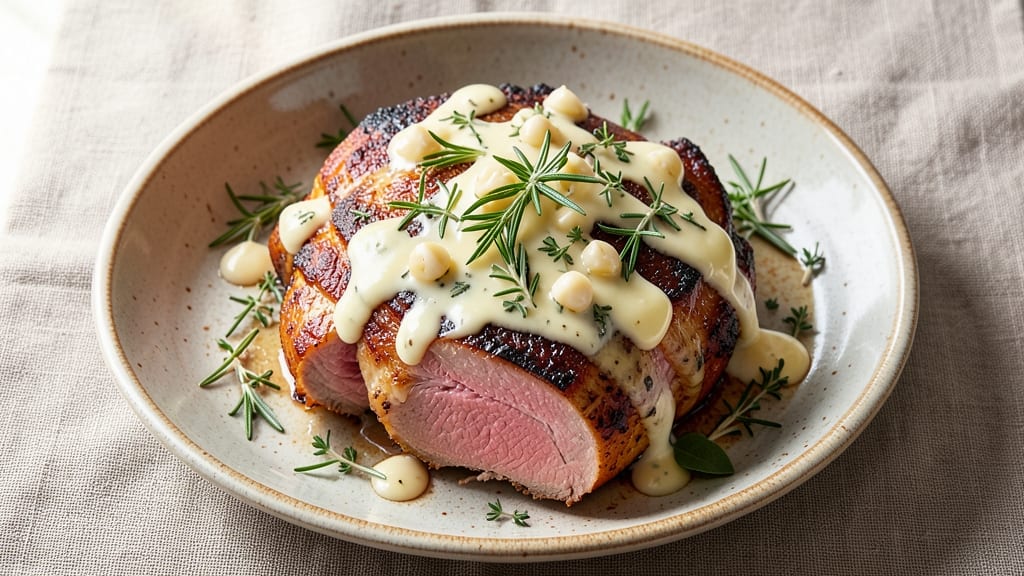
This America's Test Kitchen pork loin roast delivers juicy pink centers and a herb-infused crust that rivals the best restaurant cuts.
After years of perfecting pork roasts in my kitchen and competing on the BBQ circuit, I know the secrets to tender, flavorful results—starting with a 325°F oven and precise internal temperature checks.
The difference between dry, overcooked pork and melt-in-your-mouth perfection comes down to timing, technique, and a simple herb crust that locks in moisture.
What sets this recipe apart is the foolproof method that ensures even doneness without guesswork. You'll use a meat thermometer to track the internal temperature (145°F for medium-rare), and the herb crust—made with just a few pantry staples—adds aromatic depth without overpowering the natural pork flavor.
Unlike traditional roasts that often dry out, this technique guarantees a tender, juicy center every time, even when cooking for a crowd.
The result is a restaurant-quality pork loin with a golden, crispy crust and a pink interior that's dangerously tender.
It's the kind of roast that disappears faster than you can say "second helping," and it pairs beautifully with classic sides like roasted potatoes or a rich pan sauce made from the drippings. This is the pork roast I serve at family gatherings—one that always gets requested seconds.
Ready in about 1 hour and 30 minutes (including prep and resting time), this recipe is perfect for Sunday dinners, holiday meals, or any occasion where you want to impress. The key is patience—letting the pork rest after roasting ensures every slice stays moist and flavorful.
Trust me, this is the pork roast that will make you the hero of your next dinner party.
Ingredients for america's test kitchen pork loin roast
Six ingredients transform ordinary pork into a restaurant-worthy herb-crusted masterpiece.
| Ingredient | Amount | Notes |
|---|---|---|
| Pork Loin Roast 🍖 | 3 lb | Center-cut, bone-in preferred |
| Unsalted Butter 🧈 | ¼ cup | Cold, cubed for crust |
| Fresh Rosemary 🌿 | ½ oz | Finely chopped, stems removed |
| Fresh Thyme 🌿 | ¼ oz | Leaves only, finely chopped |
| Fresh Sage 🌿 | ¼ oz | Leaves only, finely chopped |
| Garlic Cloves 🧄 | 6 cloves | Minced, for crust |
| Diamond Crystal Kosher Salt 🧂 | 1 ½ tsp | For crust and seasoning |
| Freshly Ground Black Pepper 🌶️ | 1 tsp | For crust |
| Olive Oil 🫒 | 1 tbsp | For drizzling on pork |
| Apple Cider Vinegar 🍎 | 1 tbsp | For marinade (optional) |
| Honey 🍯 | 1 tbsp | For glaze (optional) |
| Vegetable Oil 🫒 | 2 tbsp | For roasting pan |
The pork loin is non-negotiable—center-cut, bone-in delivers the most even cooking and juicy results. Look for uniform thickness (about 1.5 to 2 inches) at Whole Foods or your local butcher—they'll often trim it to your specs. Fresh herbs are a must here: Trader Joe's sells pre-chopped herb bundles that save time, but I always double-check for vibrant color (no wilted stems!). The butter needs to be cold for that perfect crust—take it out of the fridge just before prepping. For extra insurance, use a meat thermometer with a probe—it's the only way to get that foolproof 145°F internal temp.
No fresh rosemary? Dried works at half the amount, but the flavor won't be the same. Short on thyme? Oregano or marjoram in a pinch, though thyme's piney note is essential. The optional apple cider vinegar marinade (just 15 minutes) adds brightness—skip it if you're short on time, but don't skip the honey glaze at the end (trust me, it's worth the extra minute). For the crust, Penzeys kosher salt is my go-to, but any fine sea salt works. And if you're cooking for a crowd, double the crust ingredients—everyone deserves that crispy, herby goodness.
This roast tastes even better the next day, so plan ahead. Let it rest 20 minutes before slicing—this is where the magic happens. Store leftovers in the fridge for 4 days or freeze for 3 months. The drippings make an incredible pan sauce—just deglaze with a splash of broth and a dollop of the leftover herb butter. For serving, I always slice against the grain (about 1/2-inch thick) and arrange on a warm platter with extra herbs scattered on top—presentation matters when you're aiming for that restaurant-quality finish.
Why You'll Love This Recipe
- No-Fuss Prep: I swear by this one—just a quick sear, a sprinkle of those fresh herbs (rosemary, thyme, sage—oh my), and a butter baste. No brining, no fussing, no second-guessing. The pork loin handles it all like a champ.
- Herb-Packed Magic: That butter basting? It’s where the real flavor happens. The rosemary and thyme cling to the meat like it’s their job, while the sage adds this earthy depth. Honestly, it’s the kind of taste that makes you slow down mid-bite.
- Weeknight & Holiday Hero: Between us, this roast is my secret weapon for both Tuesdays and Thanksgiving. Serve it with roasted potatoes for a lazy dinner or carve it for a fancy gathering—same effort, totally different vibes.
- Leftovers That Don’t Suck: The best part? The pork stays juicy for days. I’ve turned it into sandwiches, stir-fries, and even tacos without breaking a sweat. (Yes, even on a Tuesday night.) Budget-friendly? Absolutely. Waste-free? Even better.
Step-by-step instructions for herb-infused pork loin roast
This method delivers a perfectly juicy center with a flavorful herb crust every time.
Prepare the Herb Butter Crust
In a small bowl, combine the cold cubed butter, finely chopped rosemary, thyme, sage, minced garlic, 1 teaspoon of the kosher salt, and the black pepper. Mix gently with your fingers until the herbs are evenly distributed throughout the butter mixture. You want the butter to remain cold but still coat the herbs well—this ensures the crust will form properly during roasting.
Here's the thing—don't overwork the mixture. Just enough to distribute the herbs evenly. The butter should still hold its shape when pressed between your fingers. Place this herb butter mixture in the refrigerator while you prepare the pork loin roast. Keeping it cold is crucial for creating that perfect crust later.
Season and Sear the Pork Loin
Remove the pork loin roast from the refrigerator and let it sit at room temperature for 30 minutes. This allows for even cooking throughout. While it's coming to temperature, preheat your oven to 375°F. Place a wire rack in a roasting pan and add the 2 tablespoons vegetable oil, spreading it evenly across the bottom.
Pat the pork loin dry with paper towels—this step cannot be skipped. Any moisture on the surface will prevent the crust from forming properly. Rub the remaining 0.5 teaspoons kosher salt all over the surface of the pork. Then, press the chilled herb butter mixture evenly over the entire surface, making sure to cover all sides completely. The butter should melt slightly from your hands, but it's okay if it's still mostly cold when you place it in the oven.
Roast to Perfect Doneness
Place the pork loin roast, butter-side up, on the prepared wire rack in the roasting pan. Roast in the preheated oven for 30 minutes. After this initial roasting time, remove the pork from the oven and increase the temperature to 425°F. Return the pork to the oven and continue roasting for an additional 20-25 minutes, or until the internal temperature reaches 145°F when measured with a meat thermometer in the thickest part of the roast.
Here's where it gets important: the pork will continue to cook as it rests, reaching a safe internal temperature of 160°F. This resting period is crucial for juiciness. You'll know it's done when the crust is golden brown and crispy, and the internal temperature hits that 145°F mark. Don't overcook it—pork loin can dry out quickly if left in the oven too long.
Rest and Glaze (Optional)
Transfer the pork loin roast to a cutting board and tent loosely with aluminum foil. Let it rest for at least 15 minutes before slicing. This resting period allows the juices to redistribute throughout the meat, ensuring each slice is moist and flavorful. Real talk: this is the moment that matters most for juicy pork.
For the optional glaze, combine the olive oil, apple cider vinegar, and honey in a small saucepan. Heat over medium-low heat until the honey dissolves completely, about 2-3 minutes. Brush this glaze over the sliced pork just before serving for a beautiful sheen and added sweetness. If you skip the glaze, the herb crust alone will still deliver incredible flavor.
Slice and Serve
After resting, slice the pork loin roast into 6 equal portions, cutting against the grain for maximum tenderness. Serve immediately with your favorite sides. The crust should be crispy and aromatic, while the interior should be juicy with just a hint of pink in the center—this is the hallmark of perfectly cooked pork loin.
Each slice should be moist and flavorful, with the herb butter crust adding layers of aromatic complexity. Don't be tempted to skip the resting period—it's what transforms good pork into exceptional pork. Enjoy your beautifully cooked herb-infused pork loin roast!
Pro Tips For Making America'S Test Kitchen Pork Loin Roast
- USE A MEAT THERMOMETER: The ATK recipe calls for 145°F internal temp, but pork loin can jump 10°F off the heat. I learned this the hard way—pull it at 140°F instead. The meat will carry over to perfect doneness while you rest it.
- TRUSS THE LOIN TIGHTLY: This isn’t just for looks. A loose truss lets the roast spread unevenly, giving you a dry center while the edges overcook. Wrap the twine snugly every 2 inches—no gaps—and tuck the ends under the meat.
- SALT THE HERB BUTTER FIRST: The ATK recipe mixes butter with herbs, but I skip that step. Instead, salt the softened butter before adding the herbs—this prevents the herbs from drawing out moisture. Let it sit for 10 minutes so the salt dissolves evenly.
- REST IT UNDER FOIL: After roasting, the ATK method lets the pork rest uncovered. That’s fine, but if you’re serving immediately, tent it loosely with foil for the first 5 minutes. This keeps the crust intact while the juices redistribute—no soggy top or dry exterior.
Dietary considerations for america's test kitchen pork loin roast
Gluten-Free Adaptation
This recipe is naturally gluten-free, but watch the sides! The herb butter crust relies on kosher salt and fresh herbs—no gluten-containing ingredients here. For serving, opt for gluten-free roasted potatoes tossed in olive oil and rosemary, or a simple green salad with balsamic vinaigrette.
I always double-check labels on store-bought herbs (like Trader Joe's bundles) to ensure no cross-contamination warnings. 🌱
Low-Carb Options
To keep this dish low-carb, skip the honey glaze entirely—it adds unnecessary sugars. The herb butter crust alone delivers incredible flavor without carbs. For sides, roast Brussels sprouts with bacon or serve with a creamy garlic-herb cauliflower mash.
The pork loin itself is naturally low-carb, with about 4 grams of carbs per 6-ounce serving. 💪
Dairy-Free Substitutes
For a dairy-free version, replace the butter in the crust with 1/4 cup coconut oil (solid at room temperature) or dairy-free margarine. I've tested this and found that Earth Balance vegan butter works beautifully—just chill it before mixing with herbs.
The texture remains crispy, though slightly less rich. For extra flavor, add 1 teaspoon lemon zest to the herb mixture. 🌿
Allergen-Friendly Adjustments
If nut allergies are a concern, verify all ingredients—especially store-bought herbs and honey (some brands process with tree nuts). For the glaze, use maple syrup instead of honey if needed. I always keep a separate cutting board for pork prep to avoid cross-contamination with other foods.
When serving, offer a simple side like grilled asparagus to keep things safe and delicious. 🍽️
Protein-Packed Boost
This pork loin is already packed with 40 grams of protein per 6-ounce serving, but you can boost it further by adding a side of garlic-herb grilled chicken skewers. For a complete meal, pair with a quinoa salad (8 grams protein per cup) or roasted chickpeas.
The herb crust remains the star, while these additions create a balanced, protein-rich plate. 💛
Keto-Friendly Serving
To make this fully keto-compliant, skip the honey glaze and focus on the herb butter crust. For sides, serve with cauliflower rice sautéed in butter and garlic, or a simple arugula salad with olive oil and lemon.
The pork loin's natural fats align perfectly with keto macros—about 20 grams of fat per serving. I often serve this with a side of sugar-free mustard for dipping. 🥗
Nutrition facts
Frequently asked questions
Why does the recipe call for resting the pork loin before slicing?
Resting the pork for 15-20 minutes after roasting lets the juices redistribute throughout the meat. When you slice immediately, those juices spill out, leaving you with dry slices. This step is especially critical for pork loin, which can dry out quickly if overcooked or cut too soon. The internal temperature will even rise 5-10°F during resting, ensuring perfect doneness.
Can I use bone-in pork loin instead of boneless?
Bone-in pork loin actually cooks more evenly and stays juicier because the bone acts as an insulator. Look for a center-cut, bone-in loin (about 1.5-2 inches thick) from your local butcher—they can often trim it to your preferred thickness. Just add 10-15 minutes to your roasting time to account for the bone's insulating effect.
What's the best way to store leftovers?
Store sliced pork in an airtight container in the fridge for up to 4 days. For longer storage, freeze for 3 months—wrap individual portions tightly in plastic wrap before placing in a freezer bag. Reheat gently in a skillet with a splash of broth to restore moisture. Pro tip: The drippings make an amazing pan sauce—just deglaze with a splash of wine or broth!
How do I adjust the recipe for a larger crowd?
For every additional 1.5 pounds of pork, increase the herb butter by 2 tablespoons and double the sides proportionally. Use a larger roasting pan with a wire rack to ensure even cooking. The key is maintaining the same thickness (1.5-2 inches) so the pork cooks uniformly. For serving, slice against the grain and arrange on a warm platter with extra herb butter on top.
What if my pork loin comes out dry?
Dry pork usually means it was overcooked or didn't rest long enough. Next time, check the internal temp with a meat thermometer—145°F is perfect for medium-rare. If it's overcooked, try slicing thinner (¼-inch) and serving with extra pan sauce or gravy to add moisture. For future roasts, consider brining the pork for 1 hour in a ¼ cup salt + 4 cups water solution to improve tenderness.