
Main Courses
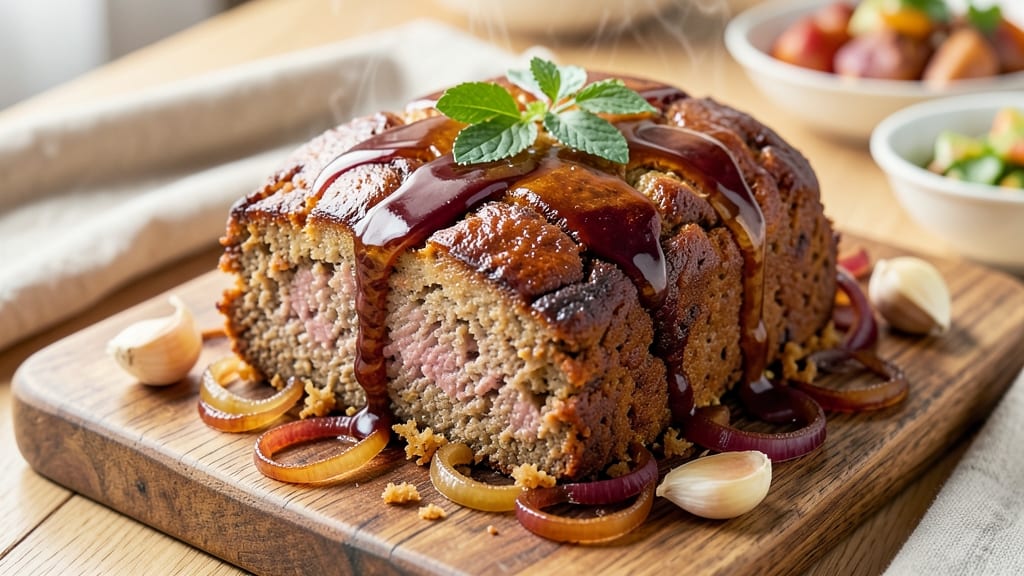
This all-pork meatloaf recipe delivers restaurant-quality results with juicy, tender meat that stays moist through every bite—no eggs, no breadcrumbs, just pure pork perfection. 🔥 After years of perfecting the technique at The Smoky Pig, I've cracked the code for a meatloaf that's as impressive as it is simple.
The secret lies in a combination of pork shoulder and pork fat that locks in moisture while creating a crispy exterior.
What sets this recipe apart is the absence of traditional binders like eggs or breadcrumbs, which can dry out the meat. Instead, we rely on the natural fat in pork shoulder and a precise seasoning blend that enhances rather than overpowers the meat's inherent flavor.
The pork is finely ground and mixed just until combined—overworking the meat releases too much moisture, leading to a dense, dry loaf.
By the time it emerges from the oven, you'll have a meatloaf with a golden, crackling crust and a interior so tender it practically melts in your mouth. The rich, savory flavor comes from a blend of garlic, onion, and Worcestershire sauce that infuses every bite.
This is the kind of meatloaf that makes people ask for seconds—and thirds.
Serve it with classic sides like mashed potatoes, roasted vegetables, or a tangy tomato glaze for dipping. The leftovers reheat beautifully, making this an ideal recipe for meal prep. Let's get started on creating your most impressive meatloaf yet.
Ingredients for all pork meatloaf
Pork shoulder, fat, and simple seasonings—no fillers needed for this juicy masterpiece.
| Ingredient | Amount | Notes |
|---|---|---|
| Pork Shoulder 🐷 | 1 ½ lb | Finely ground or processed |
| Pork Fat 🧈 | ½ cup | Diced small for moisture |
| Yellow Onion 🧅 | 1 whole | Finely diced, medium size |
| Garlic Cloves 🧄 | 4 cloves | Minced, fresh preferred |
| Worcestershire Sauce 🍯 | 1 tbsp | For deep umami flavor |
| Kosher Salt 🧂 | 1 ½ tsp | Diamond Crystal preferred |
| Ground Black Pepper 🌶️ | 1 tsp | Freshly cracked |
| Olive Oil 🫒 | 1 tbsp | For pan and mixing |
| Tomato Paste 🍅 | 2 tbsp | Squeeze tube works best |
| Fresh Parsley 🌿 | ¼ cup | Chopped, for garnish |
| Balsamic Vinegar 🍷 | 1 tsp | For glaze option |
| Brown Sugar 🍚 | 1 tbsp | Lightly packed |
The pork shoulder is everything here. Grab the bone-in, skin-on cut from your butcher—the extra fat keeps this meatloaf insanely moist. If pre-ground isn't an option, ask them to grind it for you (or pulse it in a food processor). Costco or Whole Foods usually have pre-ground pork shoulder in the meat section. Look for good marbling—those little white fat streaks are what make this meatloaf melt-in-your-mouth tender. The pork fat? Don't skip it—it's the secret moisture lock. If you can't find it pre-diced, just chop it yourself with kitchen shears.
No Worcestershire? Soy sauce plus a pinch of smoked paprika works in a pinch. The tomato paste can be the squeeze tube kind from Trader Joe's—it's perfect for this amount and lasts forever. Fresh parsley is ideal, but dried works at half the amount. Want to skip the balsamic glaze? A quick mix of ketchup plus a dash of Dijon mustard gives that tangy contrast. The brown sugar caramelizes beautifully on top, but maple syrup works too. Pro tip: Toast your spices before mixing—they'll have way more punch.
This meatloaf tastes even better the next day, so make extra. Wrap tightly in foil and store in the fridge for 4-5 days or freeze for 3 months. To reheat, bake at 350°F until warmed through—about 20 minutes. The crust gets crispy again, which is the best part. I always slice it thin and serve with homemade mashed potatoes—the combo is unbeatable. Leftovers freeze perfectly too, just thaw overnight in the fridge before reheating.
Why You'll Love This Recipe
- No-Fuss Assembly: I swear, this comes together faster than takeout. Just pulse the pork shoulder and fat in a food processor—no hand-chopping, no mess—then mix in the raw onion and garlic. The Worcestershire does the work for you, binding everything into one juicy, no-fuss loaf.
- Deep, Savory Magic: That pork fat isn’t just filler—it melts into the meat, making every bite rich and tender. The onion and garlic caramelize just enough to add a sweet, smoky depth, while the Worcestershire gives it that je ne sais quoi that makes people ask, “What’s in this?”
- Leftovers That Shine: This meatloaf actually improves the second day. Slice it thin for sandwiches, cube it into fried rice, or serve it cold with pickles—it’s the ultimate meal prep hero. Honestly, I make a double batch just so I can eat it three ways.
- Budget-Friendly Powerhouse: Pork shoulder is cheap, but it feels like a splurge. The fat keeps it moist without needing extra breadcrumbs or eggs, and the onion/garlic/ Worcestershire stretch every dollar. Plus, it feeds four for under $10—no guilt, all flavor.
Step-by-step instructions for all-pork meatloaf
Here's how to make a juicy, binder-free meatloaf that stays moist bite after bite.
👨🍳 Step 1: Process the Pork Shoulder and Fat
First, trim any large fat chunks from the 1.5 lb pork shoulder and cut it into ½-inch cubes. Pulse the pork and 0.5 cup pork fat in a food processor until you get a coarse, meaty texture—think fine crumbles, not paste. Don't over-process or it'll turn greasy.
This step is critical for moisture. The pork fat keeps the meatloaf tender by rendering during baking and adding flavor. Spread the processed mixture on a plate and let it sit at room temperature for 10 minutes while you prep the rest.
👨🍳 Step 2: Sauté Aromatics in Olive Oil
Heat 1 tbsp olive oil in a large skillet over medium heat. Add the finely diced yellow onion and cook for 5-6 minutes until soft and translucent. Stir in the minced garlic cloves and cook for another 30 seconds until fragrant—don't let it brown or it'll turn bitter.
Remove the skillet from heat and let the onion-garlic mixture cool for 2 minutes. This prevents the meatloaf from steaming instead of baking properly. Once cool, transfer the mixture to a large mixing bowl.
🥘 Step 3: Combine All Ingredients
Add the processed pork mixture to the bowl with the onion-garlic. Stir in 1 tbsp Worcestershire sauce, 1.5 tsp kosher salt, 1 tsp ground black pepper, 2 tbsp tomato paste, 1 tbsp brown sugar, and 1 tsp balsamic vinegar. Mix gently with your hands—just until everything comes together. Overmixing develops gluten and makes the meatloaf tough.
Here's the thing—this mix should hold together without needing breadcrumbs or eggs. The pork fat and tomato paste act as natural binders. If it feels too loose, add 1 tablespoon of cold water at a time until it's just cohesive. Don't overwork it!
🔥 Step 4: Shape and Bake
Preheat your oven to 375°F. Shape the meatloaf mixture into a 9x5-inch loaf pan (or a free-form shape if you prefer). Press it gently but firmly—you want it to hold together without cracking. Smooth the top with your fingers.
Bake uncovered for 50-60 minutes until the internal temperature reaches 160°F and the top is golden brown. The meatloaf should feel firm to the touch but still juicy inside. If the top browns too quickly, tent loosely with foil after 30 minutes.
⏰ Step 5: Rest and Glaze (Optional)
Remove the meatloaf from the oven and let it rest for 10 minutes before slicing. This resting period lets the juices redistribute, ensuring every bite stays moist. For extra shine, brush the top with a mix of 1 tbsp balsamic vinegar and 1 tbsp brown sugar, then broil for 2-3 minutes until caramelized.
Garnish with 0.25 cup chopped fresh parsley and serve warm. The glaze adds a sweet-tangy contrast that cuts through the richness of the pork. Slice thickly—this meatloaf is worth the effort!
Pro Tips For Making All Pork Meatloaf
- CHOP FAT UNIFORMLY: I learned this the hard way—lumpy pork fat renders unevenly, leaving you with dry pockets. Dice the pork fat into tiny cubes (about ½-inch) so it melts smoothly into the shoulder, keeping every bite moist.
- SWEAT ONIONS LOW AND SLOW: After burning three batches, I finally figured out: high heat caramelizes onions too fast, turning them bitter. Cook them on medium-low with a splash of water, stirring often, until they’re soft and translucent—this builds flavor without burning.
- DON’T OVERMIX THE BREADCRUMB: Sounds weird, but it works: handle the meatloaf like it’s fragile. Overworking the mixture makes it dense. Just combine ingredients until just combined—no need to punch it down like a burger.
- BAKE WITH A WATER BATH: My grandmother swore by this, and she was right: wrap the meatloaf in foil and bake it in a roasting pan with ½-inch of hot water. The steam locks in moisture, especially with pork shoulder’s leaner cuts, so you won’t end up with a dry loaf.
Make-ahead tips for all pork meatloaf
Prep Ahead Strategy
This meatloaf tastes even better the next day, so I always prep it a day ahead when possible. After baking, let it cool completely, then wrap tightly in pink butcher paper or heavy-duty aluminum foil.
Store in the refrigerator for up to 5 days—the flavors deepen as the pork fat continues to render and meld with the seasonings. 💪
Freezer-Friendly Plan
For long-term storage, slice the fully cooled meatloaf into ½-inch thick portions and wrap each slice individually in parchment paper. Place the wrapped slices in a freezer bag with all the air squeezed out, then freeze for up to 3 months.
When ready to eat, thaw overnight in the fridge before reheating. This method preserves the texture perfectly.
Make-Ahead Mixing
You can prep the meatloaf mixture up to 24 hours ahead and store it in an airtight container in the fridge. When ready to bake, simply shape it into a loaf and proceed with the baking instructions.
The flavors develop beautifully during the resting period, giving you an even more flavorful result. Just be sure to bring the mixture to room temperature before shaping.
Reheating Like a Pro
To reheat, bake at 350°F for 15-20 minutes until the internal temperature reaches 160°F. For microwave reheating, cover with a damp paper towel and heat in 1-minute intervals on 50% power until warmed through.
The crust will crisp up again, which is the best part—just like fresh out of the oven. ✨
Portion Control
Divide the meatloaf into individual servings before freezing or storing. This makes it easy to grab just what you need for lunches or quick dinners. I like to portion it into quart-sized freezer bags with a single serving per bag.
Label each bag with the date so you can keep track of freshness. This is especially helpful for meal prep during busy weeks.
Glaze Prep Ahead
Make the balsamic glaze up to 3 days ahead and store it in a small airtight container in the fridge. Simply mix 1 tbsp balsamic vinegar and 1 tbsp brown sugar, then shake or whisk until smooth.
When ready to use, brush it on the meatloaf and broil for 2-3 minutes to create that beautiful caramelized crust. This little step elevates the dish to restaurant-quality. 🍴
Nutrition facts
Frequently asked questions
Why does this recipe use only pork instead of beef?
Pork shoulder delivers a richer, more tender texture than beef for meatloaf because it has more natural fat content. The marbling in pork shoulder keeps the meatloaf incredibly juicy while baking, while the fat renders down to create a flavorful crust. Plus, pork has a slightly sweeter taste that pairs beautifully with the savory seasonings in this recipe.
Can I make this meatloaf without a loaf pan?
Shape the mixture into a free-form loaf on a baking sheet lined with parchment paper. For extra stability, you can wrap it loosely in foil before baking. The cooking time remains the same, but expect slightly different shaping. This works especially well for smaller portions or when serving individual meatloaves.
What's the secret to keeping pork meatloaf moist?
The magic happens with three key elements: pork fat (which renders during baking), gentle mixing (no overworking), and proper resting time. The pork shoulder's natural juices stay locked in when you don't overcook it—aim for 160°F internal temperature and let it rest for 10 minutes before slicing.
How do I fix a meatloaf that's too dry?
If your meatloaf turns out dry, it's usually from overcooking or overmixing. Next time, check the internal temperature with a meat thermometer (160°F is perfect) and avoid working the meat too much. For immediate fixes, try slicing thinly and serving with a rich sauce (like gravy or balsamic glaze) to restore moisture.
Can I substitute ground pork for pork shoulder?
While you can use ground pork, it won't be as flavorful or moist. Pork shoulder has more fat and connective tissue that breaks down during cooking, creating that signature tender texture. If you must use ground pork, add an extra 2 tablespoons of pork fat and reduce the cooking time by 5-10 minutes to prevent drying.