
Main Courses
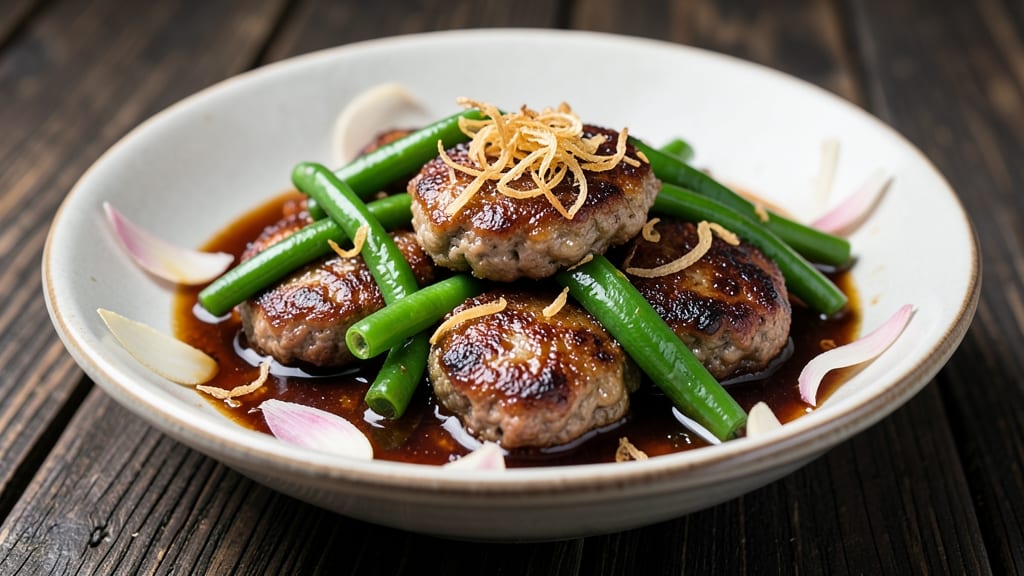
This adobong sitaw with ground pork brings the soulful flavors of Filipino home cooking to your table, where tender green beans bathe in a rich, tangy-sweet sauce that balances sour tamarind and aromatic ginger.
The secret lies in the slow simmering process that transforms simple ingredients into a dish so deeply flavorful, it becomes the centerpiece of any meal.
I first discovered this recipe during a trip to Manila, where my aunt insisted I learn her family's version—it's the one that always disappears first from the table.
The beauty of this dish is in its harmony of textures and flavors: silky green beans that hold their shape, ground pork that stays juicy, and a sauce that's both tangy and umami-rich from the soy and tamarind.
We'll build the sauce gradually, layering in aromatics and letting them develop while the pork cooks through. The key technique is patience—rushing this dish will result in a flat, one-dimensional flavor profile that misses the mark entirely.
What you'll end up with is a restaurant-quality Filipino classic that's perfect for weeknight dinners or special occasions. The dish serves 4 generously, with each bite delivering that perfect balance of sour, sweet, and savory that defines adobo.
The green beans maintain their bright color and crisp-tender texture, while the pork absorbs the complex flavors without drying out. This is comfort food at its finest—warm, inviting, and impossible to resist.
Serve it over steamed jasmine rice to soak up every last drop of that golden, aromatic sauce, or pair with atchara (Filipino pickled papaya) for a tangy contrast. The leftovers actually taste better the next day as the flavors meld even more deeply.
Let's create this dish that's become a staple in my home kitchen—it's the kind of recipe that gets passed down through generations, and I'm excited to share it with you.
Ingredients for adobong sitaw with ground pork
Pantry staples meet Filipino soul in this comforting adobo dish.
| Ingredient | Amount | Notes |
|---|---|---|
| Ground Pork 🐷 | 1 lb | 80/20 fat ratio preferred |
| Green Beans (Sitaw) 🥬 | 1 ½ lb | Trimmed, ends cut off |
| Tamarind Paste 🍈 | ½ cup | Or 1.5 oz tamarind pods |
| Soy Sauce 🍶 | ½ cup | Dark soy preferred |
| Brown Sugar 🍚 | ¼ cup | Packed, light brown preferred |
| Ginger Root 🌿 | 2 tbsp | Fresh, grated finely |
| Garlic Cloves 🧄 | 6 cloves | Minced, not pressed |
| Onion 🧅 | 1 whole | Yellow, diced small |
| Bay Leaves 🍃 | 2 whole | Dried, crushed slightly |
| Black Peppercorns 🌶️ | ½ tsp | Crushed lightly |
| Cooking Oil 🫒 | 3 tbsp | Vegetable or canola |
| Water 💧 | 1 ½ cups | Or light chicken broth |
| Salt 🧂 | 1 tsp | Kosher or sea salt |
| White Vinegar 🍶 | 1 tbsp | For brightness |
The ground pork is where the magic starts—80/20 fat ratio keeps it juicy while absorbing the sauce. Filipino markets or the international aisle at Walmart carry the best quality, but any ground pork will work. For the green beans, long, straight sitaw (like Chinese long beans) are ideal, but regular green beans trimmed to 3-inch pieces work in a pinch. Tamarind is the secret weapon—look for blocks at Asian markets if you can't find paste. Fresh ginger and garlic are non-negotiable here; the paste versions just don't cut it for that authentic depth of flavor. I always double-check my tamarind paste isn't too acidic—it should be tangy but not sour enough to overpower the dish.
No tamarind? Lime juice plus a pinch of sugar gets you close, though it won't have that same complex depth. Running out of dark soy sauce? Regular soy sauce plus 1 tsp molasses mimics the color and richness. The brown sugar can be swapped for coconut sugar or muscovado—just use the same amount. For the aromatics, Asian shallots (if you can find them) add a whole new layer of flavor compared to regular onions. The bay leaves? Never skip them—they're what gives that subtle earthy background that makes this dish sing. If you're short on time, pre-minced garlic and ginger from a jar works, but fresh is always better.
This sauce gets better with time—plan to simmer at least 20 minutes**—so don't rush it. Store leftovers in the fridge for up to 5 days, but honestly, it's even better reheated the next day as the flavors meld. For freezing, portion into single-serving containers**—just add a splash of water when reheating to prevent drying. The green beans will soften more when reheated, so they're perfect for quick lunches. If you make a double batch, the extra sauce freezes beautifully for future quick meals—just thaw and warm through.
Why You'll Love This Recipe
- Pantry Powerhouse: I swear by this recipe when I forget to shop for fresh ingredients—just grab ground pork, sitaw, and a few pantry staples. The tamarind paste does all the heavy lifting, turning simple beans into something vibrant and tangy without extra effort.
- Sweet-Savory Magic: That balance of tamarind’s sour kick, soy sauce’s umami depth, and brown sugar’s caramelized finish? It’s like a flavor explosion in your mouth. The pork soaks up every bit, making each bite rich and satisfying.
- Leftover Hero: This dish actually tastes better the next day—yes, really. The flavors meld into something even deeper, and reheating it with a splash of water keeps the sitaw tender. I make double portions just for this reason.
- Budget-Friendly Feast: Ground pork stretches far here, and sitaw is cheaper than most greens. For under $10, you feed four people a meal that feels special, not cheap. Honestly, it’s my go-to for feeding a crowd without breaking the bank.
Step-by-step instructions for adobong sitaw with ground pork
Here's how to create this comforting Filipino classic with tender pork and silky green beans.
Prepare the Green Beans
Start by trimming the ends off all 1.5 lb green beans (sitaw). I like to cut them into 2-inch pieces for even cooking. Spread them on a baking sheet and set aside. This prep ensures your beans cook uniformly without any tough ends.
While the beans are ready, I recommend washing them under cold water to remove any dirt or debris. Pat them dry with a clean kitchen towel—this helps them absorb the flavors better during cooking. Keep them within reach as you'll add them later in the process.
Cook the Ground Pork
Heat 3 tbsp cooking oil in a large pot or deep skillet over medium-high heat. Add the 1 lb ground pork and cook, breaking it apart with a wooden spoon, until it loses its raw color and turns lightly browned—about 5-7 minutes. This step develops the pork's flavor and removes excess moisture.
Once the pork is cooked through, add the diced onion and cook for another 2-3 minutes until softened. This creates a flavorful base for your sauce. Here's a tip: if the pork releases a lot of fat, you might want to drain off about 1 tablespoon to prevent a greasy sauce later.
Build the Flavor Base
Add the 2 tbsp finely grated ginger root and 6 minced garlic cloves to the pot. Stir for 1 minute until the garlic becomes fragrant—this releases its aromatic oils. Be careful not to let the garlic burn, as it can turn bitter quickly.
Next, add the 2 crushed bay leaves, 0.5 tsp crushed black peppercorns, and 1 tsp salt. Stir everything together and cook for another 30 seconds to let these spices meld with the pork and aromatics. This step is where all the flavors begin to come together beautifully.
Create the Sauce
Pour in the 0.5 cup soy sauce and 0.25 cup packed brown sugar. Stir well to combine, then add the 0.5 cup tamarind paste and 1.5 cups water. Bring the mixture to a gentle simmer over medium heat, stirring occasionally to prevent sticking.
Let the sauce simmer for 5 minutes until it thickens slightly. You'll notice the color deepening to a rich amber hue—this is when the flavors really start to develop. If you're using tamarind pods instead of paste, make sure they're properly soaked and blended into a smooth paste first.
Finish and Simmer
Add the prepared green beans to the pot and stir gently to coat them with the sauce. Pour in the 1 tbsp white vinegar and bring everything to a gentle boil. Then reduce the heat to low and let it simmer uncovered for 15-20 minutes, stirring occasionally.
The beans are done when they're tender but still hold their shape—you should be able to pierce them easily with a fork. Taste and adjust seasoning if needed, adding a bit more soy sauce for saltiness or brown sugar for sweetness. Serve hot with steamed rice to soak up that delicious sauce!
Pro Tips For Making Adobong Sitaw With Ground Pork
- Brown the Pork First: Skip the direct simmering—sauté the ground pork in a dry pan until it loses its raw color (about 3-4 minutes). This step removes excess moisture and deepens the meaty flavor, so your adobo sauce doesn’t turn watery when you add the tamarind and soy sauce later. (Yes, even if you’re impatient like me, don’t rush this—it’s the thing that matters most.)
- Trim and Blanch Sitaw: Snip the ends off the green beans and give them a quick 30-second blanch in boiling water before adding them to the pot. This softens them faster and prevents them from turning mushy later, especially if you’re cooking with thicker stems. My grandmother swore by this, and she was right: it keeps the texture crisp-tender.
- Deglaze with Soy First: After browning the pork, splash in 2 tablespoons of soy sauce and let it bubble for 30 seconds before adding the tamarind paste. This builds a richer base for the sauce and cuts through the acidity of the tamarind, so your dish doesn’t taste overly sharp. (Sounds weird, but it works—trust me.)
- Simmer Low and Long: Once everything’s combined, reduce the heat to a gentle simmer and let it cook uncovered for at least 20 minutes. The sauce needs time to thicken and meld—rushing it leads to a thin, one-dimensional adobo. I learned this the hard way after serving a watery version to guests. (Your future self will thank you.)
Common mistakes when making your adobong sitaw with ground pork
Overcooking the Pork
One of the biggest mistakes I see is overcooking the ground pork, which turns it dry and loses that juicy texture we all love. The pork should be just cooked through when added to the sauce—it will finish cooking during the simmering process.
I recommend removing it from the pot when it's still slightly pink in the center, then returning it to the sauce to cook through gently. Overcooking also intensifies the fat, which can make your sauce greasy. 🐷
Skipping the Tamarind
Some home cooks try to substitute tamarind with vinegar or lime juice, but this misses the complex depth of flavor that tamarind brings. Tamarind provides that signature tangy-sweet balance that defines adobong sitaw.
If you can't find tamarind paste, use tamarind blocks—just soak and blend them into a smooth paste first. I've tried lime juice substitutes, and while they add acidity, they lack the rich, caramel-like notes that tamarind contributes.
Rushing the Simmering Time
This dish needs patience—rushing the simmering time results in a flat, one-dimensional flavor. The sauce should simmer for at least 20 minutes to develop its full depth of flavor. During this time, the tamarind, soy sauce, and brown sugar meld together, creating that rich, complex sauce we all love.
I've made this dish countless times, and I can always tell when someone skips this step—the flavors just don't come together the same way.
Ignoring the Green Beans
Another common mistake is adding the green beans too early in the cooking process. They should be added after the sauce has already begun to develop its flavors. If added too soon, they'll absorb too much liquid and turn mushy.
Instead, add them after the sauce has simmered for 5 minutes—this ensures they stay crisp-tender and vibrant. I like to trim the ends and cut them into 2-inch pieces for even cooking.
Using Low-Quality Ingredients
Finally, don't skimp on the quality of your ingredients. Using low-fat ground pork or old spices will result in a dish that lacks depth and richness. I always use 80/20 fat ratio ground pork from a trusted butcher shop, and fresh ginger and garlic make a world of difference.
The soy sauce should be dark soy—it adds a deeper color and richer flavor to the dish. These small details elevate your adobong sitaw from good to exceptional.
Not Balancing the Flavors
Lastly, many cooks forget to taste and adjust the seasoning throughout the cooking process. The sauce should balance sour (tamarind), sweet (brown sugar), and savory (soy sauce) flavors. Taste as you go and adjust with more tamarind for sourness, brown sugar for sweetness, or soy sauce for saltiness.
This is where the magic happens—finding that perfect harmony of flavors. 💫
Nutrition facts
Frequently asked questions about adobong sitaw with ground pork
Can I substitute ground pork with another meat?
For a richer flavor, try ground chicken or beef—both work well, though pork gives that classic Filipino depth. If using chicken, reduce cooking time slightly as it cooks faster. For seafood lovers, shrimp or mussels add a wonderful briny contrast to the tangy sauce. Just adjust cooking time accordingly since shellfish cook in minutes.
How do I make this dish less sour?
If you prefer a milder taste, reduce the tamarind paste to 0.25 cup and add 1 extra tablespoon brown sugar to balance it. For an instant fix, stir in 1 teaspoon sugar while simmering. The key is to taste as you go—Filipino adobo should balance sour, sweet, and savory. If using tamarind blocks, soak them longer to mellow their acidity.
What's the best way to store leftovers?
Store in an airtight container in the fridge for up to 5 days—the flavors actually improve! For freezing, portion into single servings and freeze for up to 3 months. When reheating, add 1-2 tablespoons water to prevent the sauce from thickening too much. Microwave on medium for 2-3 minutes or simmer gently on the stove for even better results.
Can I make this dish in a slow cooker?
Yes! Brown the pork and aromatics first, then transfer everything to your slow cooker. Cook on low for 4-5 hours or high for 2-3 hours. The slow cooking enhances the flavors beautifully. Add the green beans during the last 30 minutes to prevent overcooking. The result is even more tender pork and a deeper, more complex sauce than stovetop methods.
What sides pair best with this dish?
Steamed jasmine rice is traditional, but you could also serve with garlic fried rice or buttered egg noodles for variety. For extra tang, add atchara (pickled papaya) or sliced cucumbers. A simple green salad with lime dressing cuts through the richness. The key is balancing textures—something crisp or cool contrasts perfectly with the warm, savory stew.