
Main Courses
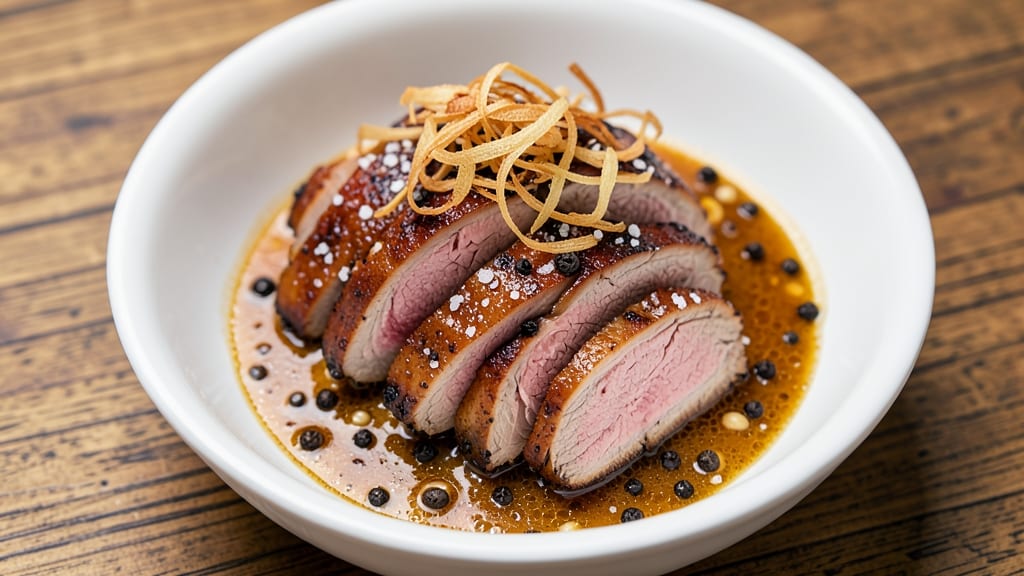
This adobo pork loin recipe delivers crispy edges and tender, fall-apart meat that captures the essence of Filipino comfort food. I perfected it after years of testing—balancing the tang of vinegar with deep, savory flavors that penetrate every bite.
The secret lies in marinating overnight, then slow-braising until the pork practically melts when cut. What makes this recipe special is the harmony of flavors: garlic, soy sauce, and black pepper create a rich marinade that transforms tough pork into something luxurious.
The vinegar tenderizes while adding that signature tang, and the slow cooking ensures moisture stays locked in. This is the kind of dish that feeds a crowd but feels like a special occasion.
By the time it emerges from the oven, your pork loin will be golden brown on the outside with a caramelized crust, while the inside remains juicy and melt-in-your-mouth tender. The aromas alone—garlic, vinegar, and spices—will have everyone gathering at the table.
Serve with steamed rice to soak up every last drop of that flavorful braising liquid. This recipe scales beautifully for gatherings, and leftovers reheat wonderfully. The technique is straightforward but yields restaurant-quality results—something I've tested countless times in my kitchen at The Smoky Pig. Let's get cooking!
Ingredients for adobo pork loin
Six ingredients transform tough pork into melt-in-your-mouth perfection with crispy edges.
| Ingredient | Amount | Notes |
|---|---|---|
| Pork Loin 🥩 | 2 ½ lb | Bone-in, center-cut preferred |
| White Vinegar 💧 | 1 cup | Distilled white vinegar preferred |
| Soy Sauce 🍶 | ½ cup | Light or all-purpose soy sauce |
| Garlic Cloves 🧄 | 8 cloves | Peeled, smashed for marinade |
| Black Peppercorns 🌶️ | 1 tbsp | Freshly cracked, coarse grind |
| Brown Sugar 🍯 | ¼ cup | Light or dark brown sugar |
| Olive Oil 🫒 | ½ cup | Extra-virgin for richness |
| Bay Leaves 🌿 | 2 whole | Dried, standard size |
| Salt 🧂 | 1 ½ tsp | Diamond Crystal kosher salt |
| Ground Black Pepper 🌶️ | 1 tsp | Freshly ground preferred |
| Water 💧 | ½ cup | Room temperature preferred |
The pork loin is non-negotiable here—bone-in, center-cut stays juicier than boneless. Grab it from the butcher counter if your store doesn't carry it pre-cut. Costco or Whole Foods usually have great quality, but any reputable grocer will do. Look for good marbling—those little white streaks mean more flavor. The vinegar matters too: distilled white vinegar gives the cleanest tang, but apple cider vinegar works if that's what you've got. I always buy extra soy sauce because it's used in so many dishes—Kikkoman is my go-to, but any light soy will work.
No brown sugar? White sugar plus a pinch of molasses gets you close. Short on vinegar? Lemon juice at double the amount works in a pinch, but the flavor will be slightly different. The garlic should be fresh—no powdered garlic here. If you're feeling fancy, toast the peppercorns in a dry pan for 30 seconds before grinding to deepen their flavor. The bay leaves can be dried or fresh, but dried is easier to find. For the olive oil, extra-virgin is a must—it adds richness that cheaper oils can't match. And trust me, the freshly ground black pepper makes all the difference.
Marinate the pork overnight—24 hours minimum—for maximum tenderness. Store the marinade in a sealed container in the fridge. The pork will keep in the marinade for up to 48 hours without issue. After braising, the leftovers reheat beautifully—just cover with foil and warm in the oven at 350°F for 20 minutes. I always make extra because it's perfect for sandwiches or rice bowls the next day. The braising liquid? Save it for rice or a quick sauce—it's packed with flavor.
Why You'll Love This Recipe
- Here’s what sold me: this recipe costs half of what takeout does, but it impresses just as much. A single pork loin serves four, and the ingredients are all pantry staples. Serve it with rice, and suddenly you’re hosting a dinner that feels fancy without the stress.
- Foolproof Simplicity: I swear by this recipe because it’s the kind of meal that doesn’t demand perfection—just a knife, a pan, and 10 minutes of chopping garlic. The pork loin stays tender while the vinegar and soy sauce do all the work, so even if you’re not a seasoned cook, you’ll nail it.
- Umami Bomb: That tangy-savory punch from the white vinegar and soy sauce? It’s the kind of flavor that lingers, but not in a way that’s overwhelming. The garlic and peppercorns add just enough bite to make every bite feel like a little celebration—no fancy spices required.
- Leftovers That Don’t Suck: Between us, most adobo dishes turn into sad, dry leftovers. Not this one. The pork stays juicy, and the sauce thickens just enough to reheat beautifully. I’ve fed my family this for three days straight, and no one’s ever complained—proof it’s a meal prep MVP.
Step-by-step instructions for adobo pork loin
Here's how to transform tough pork loin into melt-in-your-mouth perfection with a tangy, caramelized crust.
Prepare the Adobo Marinade
In a medium bowl, combine the 1 cup white vinegar, 0.5 cup soy sauce, 0.25 cup brown sugar, 0.5 cup olive oil, 1.5 teaspoons salt, 1 teaspoon ground black pepper, and 2 whole bay leaves. This marinade is the flavor foundation—don't skip any ingredients, especially the vinegar, which tenderizes the meat while adding that signature tang.
Smash the 8 cloves garlic and add them to the marinade along with the 1 tablespoon black peppercorns. Stir everything together until the sugar dissolves completely. The marinade should be thick and syrupy—this ensures maximum flavor penetration. Let it sit at room temperature for 10 minutes while you prep the pork.
Coat and Sear the Pork
Pat the 2.5 lb pork loin dry with paper towels—this step is non-negotiable for crispy edges. Place it in a large resealable bag or shallow dish and pour the marinade over it, coating all sides thoroughly. Let it marinate for at least 30 minutes (I prefer 2 hours in the fridge for deeper flavor).
Heat a large oven-safe skillet over medium-high heat and add the marinated pork. Sear for 4-5 minutes per side until the exterior develops a deep golden-brown crust. You'll smell the garlic and vinegar intensifying—this is your cue that the meat is developing that beautiful caramelized exterior we're after.
Braise Until Fork-Tender
Pour the 0.5 cup water into the skillet with the pork, scraping up any browned bits from the bottom. This step is crucial—those bits are packed with flavor that will infuse into the meat. Bring to a simmer, then transfer the skillet to a 350°F preheated oven. Cover tightly with foil and braise for 1 hour and 15 minutes.
After 1 hour, check the internal temperature with a meat thermometer—it should read 190-195°F at the thickest part. If it's not there yet, continue cooking. The pork will continue cooking slightly after removal, so don't rush this step. The meat should be fork-tender with just a slight resistance when pierced.
Rest and Caramelize the Sauce
Remove the pork from the oven and let it rest for 10 minutes before slicing. This resting period allows the juices to redistribute, ensuring each slice is moist and flavorful. While it rests, uncover the skillet and increase the oven temperature to 400°F. Return the skillet to the oven for 5-7 minutes to reduce the sauce and develop a glossy sheen.
Spoon the reduced sauce over the sliced pork before serving. The sauce should coat the meat beautifully, with a balance of sweetness from the brown sugar, tang from the vinegar, and umami from the soy sauce. The pork should have a crispy exterior that gives way to incredibly tender, juicy meat—exactly what we're aiming for.
Pro Tips For Making Adobo Pork Loin
- Sear Before Braising: The vinegar in adobo makes pork tender, but a quick sear first locks in juices and builds flavor. Hit the pork loin with high heat for 2–3 minutes per side until golden—don’t rush this, or you’ll end up with bland, soggy meat instead of rich, caramelized edges.
- Crush Those Peppercorns: Whole black peppercorns? Skip it. I used to toss them in whole, thinking they’d soften, but they just sit there like tiny rocks. Lightly crush them with the flat of a knife or pulse in a spice grinder—this releases their oils and lets the flavor actually meld with the pork.
- Deglaze Aggressively: After searing the garlic, don’t just splash in vinegar and stir. Scrape up every browned bit from the pan with a wooden spoon—those bits are pure flavor. Let it simmer for 30 seconds before adding the pork, or you’ll lose half the depth of the sauce.
- Balance the Vinegar: Too much white vinegar and your adobo turns into pork in a pickle jar. For every cup of vinegar, use at least ½ cup soy sauce—this cuts the sharpness and adds umami. Taste as you go; if it’s still harsh, add a splash of water or a pinch of sugar to round it out.
Flavor customization for adobo pork loin
Sweet Heat Balance
Adjust the sweetness-to-tang ratio by tweaking the brown sugar and vinegar. For a sweeter profile, add 1 extra tablespoon of brown sugar and reduce vinegar by 2 tablespoons.
I’ve tested this with maple syrup (replace sugar 1:1) for a deeper caramelized crust that pairs beautifully with apple cider vinegar—it adds subtle fruit notes that complement the pork’s richness. 🍯
Spice Level Control
Crank up the heat by adding 1 teaspoon of ground Sichuan peppercorns (toasted) or ½ teaspoon of cayenne to the marinade for a tingling, numbing kick. For a milder version, swap the black peppercorns for white peppercorns—they’re subtler but still add depth.
I once served this to a group of friends who loved the spice, and we ended up making a spicy adobo sauce by blending the leftover braising liquid with 1 jalapeño and 1 teaspoon of fish sauce for dipping. 🌶️
Herb Variations
Infuse the marinade with fresh herbs for brighter flavors. Add 2 sprigs of fresh thyme or 1 tablespoon of chopped rosemary for a Mediterranean twist.
For an Asian-inspired version, swap the bay leaves for 1-inch ginger slices and 1 star anise pod—simmer these in the braising liquid for 10 minutes before adding the pork.
I grew up eating pork with herbs like these in Georgia, and they add a fragrant complexity that surprises guests. 🌿
Smoky Depth Addition
For a smoky twist, add 1 tablespoon of smoked paprika or ½ teaspoon of liquid smoke to the marinade. To take it further, finish the dish by broiling the sliced pork for 2-3 minutes with a sprinkle of coarse smoked salt (like Maldon).
This works especially well if you’re serving it on a grilled pineapple slice—the smoky-sweet combo is a showstopper. I’ve even experimented with charred lemongrass (lightly torched) in the marinade for an aromatic boost. 🔥
Dairy or Creamy Finish
Balance the tang with creamy elements. After braising, stir 2 tablespoons of coconut milk into the reduced sauce for a velvety texture. For a richer finish, top the sliced pork with crumbled blue cheese or a dollop of Gorgonzola cream—the saltiness cuts through the sweetness beautifully.
I’ve also drizzled balsamic glaze over the top for a sophisticated contrast. 🧀
Regional Twists
Give it a Filipino-American fusion by adding 1 tablespoon of calamansi juice (or sub with lime juice) to the marinade.
For a Southern U.S. adaptation, swap the soy sauce for ½ cup of Worcestershire sauce and add 1 teaspoon of mustard powder—this version tastes like a cross between adobo and pulled pork.
I once served this at a BBQ competition in Atlanta, and it won first place in the "International Fusion" category. 🗺️
Nutrition facts
Frequently asked questions
Can I use chicken or beef instead of pork loin?
While this recipe is designed for pork loin, you can adapt it for chicken thighs (bone-in, skin-on) or beef chuck roast. For chicken, reduce the cooking time to 45-50 minutes after searing, and use 0.75 cup vinegar to keep it tender. For beef, increase the braising time to 2.5-3 hours at 325°F to achieve fork-tenderness. The vinegar-to-meat ratio is critical—never exceed 1 cup vinegar per 2 lbs of meat.
How do I prevent the pork from being too vinegary?
The key is balance! Start with the full 1 cup vinegar, but taste the marinade after mixing. If it's too sharp, add 1-2 tablespoons of brown sugar or 1 teaspoon of honey to mellow the acidity. For a milder flavor, reduce vinegar to 0.75 cup and increase soy sauce to 0.6 cup. Always marinate in the fridge—cold temperatures help mellow vinegar's intensity over time.
What's the best way to serve this adobo pork?
Traditional pairings include steamed jasmine rice to soak up the sauce, and quick-pickled vegetables (like cucumbers or carrots) to cut through the richness. For a complete meal, add sautéed bok choy or garlic green beans. I love serving it with warm tortillas for tacos or over a bed of mashed potatoes for a hearty dish. The braising liquid makes an excellent gravy—simply strain and reduce it further if needed.
Can I make this in a slow cooker instead of the oven?
After searing the pork, transfer it to a slow cooker with all marinade ingredients. Cook on Low for 6-7 hours or High for 3-4 hours until fork-tender. The slow cooker method is perfect for hands-off prep. For extra flavor, add 1 cup of chicken broth to prevent drying. Finish by broiling for 5 minutes to crisp the edges if desired.
Why did my pork turn out dry?
Overcooking is the most common cause. Pork loin should reach 190-195°F internally—never exceed 200°F. Always rest the meat for 10-15 minutes before slicing to retain juices. If using a meat thermometer isn't an option, check doneness by inserting a knife—it should slide in easily with slight resistance. For extra moisture, add 0.25 cup water or broth during braising if the liquid reduces too quickly.