
Main Courses
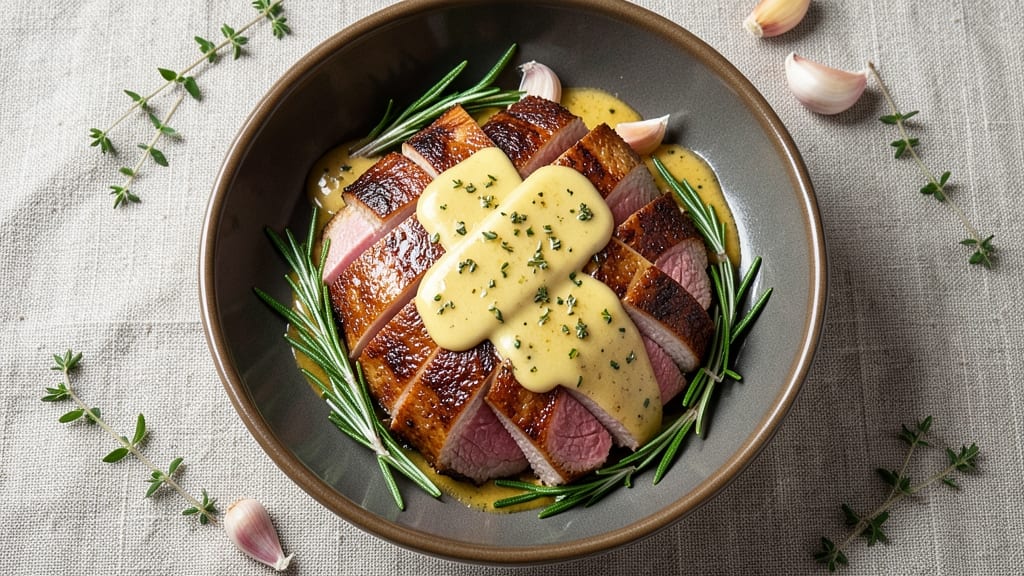
An 8 lb pork tenderloin transforms from simple protein to centerpiece with this herb-roasted method that guarantees tender, juicy results every time. I developed this recipe after years of perfecting pork for large gatherings—where dryness means failure.
The secret lies in precise seasoning, controlled heat, and understanding when to pull it from the oven before it overcooks.
This technique preserves moisture by using a high-heat sear followed by a gentle roast, ensuring the exterior develops crisp edges while the interior remains perfectly pink at 145°F. A blend of rosemary, thyme, and garlic infuses deep flavor without overpowering the natural richness of the meat.
The resting period is non-negotiable—it allows juices to redistribute, preventing that dreaded "dry pork" outcome.
What you'll achieve is a showstopping centerpiece that serves 6-8 people with generous portions, featuring a golden-brown crust and tender, melt-in-your-mouth texture throughout. The aroma alone will have guests anticipating dinner before it even hits the table.
This method works equally well for oven roasting or grill cooking, making it versatile for any occasion.
Pair with classic sides like roasted potatoes, caramelized onions, or a crisp apple slaw to complete the meal. The beauty of this recipe is its ability to handle large quantities without sacrificing quality—ideal for holidays, family dinners, or when you're cooking for a crowd that expects restaurant-level results.
Let's get started on mastering this technique.
Ingredients for 8 lb pork tenderloin
Herb-infused pork tenderloin with crisp edges and juicy interior—no dryness guaranteed.
| Ingredient | Amount | Notes |
|---|---|---|
| Pork Tenderloin 🥩 | 8 lb | Center-cut, trimmed of silver skin |
| Fresh Rosemary 🌿 | ½ cup | Finely chopped, stems removed |
| Fresh Thyme 🍃 | ¼ cup | Leaves only, stems discarded |
| Garlic Cloves 🧄 | 8 cloves | Minced, not pre-minced jarred |
| Extra-Virgin Olive Oil 🫒 | ½ cup | High-quality, fruity variety |
| Diamond Crystal Kosher Salt 🧂 | 1 ½ tbsp | Coarse grain preferred |
| Freshly Ground Black Pepper 🌶️ | 1 tbsp | Freshly cracked preferred |
| Unsalted Butter 🧈 | ½ cup | Cold, cubed for searing |
| Yellow Onion 🧅 | 1 whole | Thinly sliced for garnish |
| Fresh Parsley 🌿 | ¼ cup | Chopped, for finishing |
| Honey 🍯 | 1 tbsp | Light variety for glaze |
| Mustard 🍯 | 1 tbsp | Dijon preferred for balance |
The pork tenderloin must be center-cut and trimmed of silver skin for even cooking. Local butchers often carry premium cuts—ask for a well-marbled piece if available. Fresh herbs make all the difference here: Trader Joe's or Whole Foods carry high-quality rosemary and thyme. For garlic, fresh is non-negotiable—pre-minced jarred garlic lacks flavor. The olive oil should be fruity and extra-virgin, not the cheap supermarket variety. If using a large roasting pan, ensure it's oven-safe and large enough to accommodate the tenderloin without crowding.
No fresh rosemary? Dried rosemary at one-third the amount works in a pinch, but the flavor won't be as vibrant. Substitute thyme with oregano at half the quantity, though the aroma will differ slightly. For the honey glaze, agave nectar is a suitable substitute if avoiding honey. The Dijon mustard can be swapped for whole-grain mustard for texture, though flavor will vary. If your olive oil lacks fruity notes, avocado oil is a neutral alternative for searing. Always taste the herb blend before applying—adjust salt and pepper as needed for your palate.
Pork tenderloin cooks quickly, so prep ahead by trimming and seasoning up to 4 hours in advance, refrigerated. Fresh herbs should be wrapped in damp paper towels and stored in a sealed container for up to 5 days. The glaze ingredients can be mixed in a small bowl and kept at room temperature for 2 hours before use. Leftover pork reheats best in a 350°F oven for 10-15 minutes, covered loosely with foil. For large gatherings, double the glaze recipe—it disappears fast.
Why You'll Love This Recipe
- One-Pan Magic: I swear by this recipe—just rub the pork with garlic, rosemary, thyme, and olive oil, then let the oven do the work. No flipping, no fussing, no extra dishes. The herbs cling to the meat like a cozy blanket, and the pan stays clean.
- Crispy-Creamy Perfection: That golden crust on the outside? Pure satisfaction. The rosemary and thyme infuse the tenderloin with earthy warmth, while the garlic keeps it bright. It’s the kind of bite that makes you reach for seconds without thinking.
- Leftovers That Don’t Suck: Between us, most pork leftovers turn into sad, dry slabs. Not this one. The olive oil keeps it juicy for days, and I’ve repurposed slices into sandwiches, tacos, and even a hearty pasta the next day—no one ever guesses it’s day-old.
- Big Batch, Zero Stress: An 8 lb tenderloin sounds intimidating, but this recipe handles it like a champ. It’s my secret weapon for game days, potlucks, or when I’m lazy but still want to impress. Feed a crowd or meal prep for the week—either way, it’s a win.
Step-by-step instructions for herb-roasted pork tenderloin
Mastering this technique guarantees juicy, perfectly seasoned pork with a golden crust every time.
Prepare the Herb Butter and Season the Pork
In a small bowl, combine the 0.5 cup unsalted butter, 0.5 cup fresh rosemary, 0.25 cup fresh thyme, 8 cloves minced garlic, 1.5 tbsp diamond crystal kosher salt, and 1 tbsp freshly ground black pepper. Mix until the butter is fully incorporated and the herbs are evenly distributed. This herb butter will create an aromatic crust while keeping the meat moist.
Pat the 8 lb pork tenderloin dry with paper towels—this is critical for achieving crispy skin. Spread the herb butter mixture evenly over the entire surface, pressing it into the meat so it adheres well. Let the pork sit at room temperature for 30 minutes before roasting, which allows the seasoning to penetrate and the meat to cook more evenly.
Sear the Pork for Maximum Flavor
Preheat your oven to 425°F. Heat a large oven-safe skillet over medium-high heat and add the pork tenderloin. Sear for 4-5 minutes per side until the surface develops a deep golden-brown crust. This step locks in juices and creates that coveted caramelized exterior. If the butter begins to smoke, reduce the heat slightly to prevent burning.
Once seared, transfer the skillet to the preheated oven. Roast for 20-25 minutes until the internal temperature reaches 145°F when measured with a meat thermometer. The pork should feel firm to the touch but still yield slightly when pressed—this is the perfect texture for tender, juicy meat.
Create the Glaze and Finish Roasting
While the pork roasts, prepare the glaze by combining 1 tbsp honey, 1 tbsp mustard, and 1 tbsp extra-virgin olive oil in a small bowl. Whisk until smooth and set aside. In the last 5 minutes of roasting, brush the glaze evenly over the pork. This adds a subtle sweetness and helps create a glossy finish while keeping the meat moist.
Continue roasting for another 3-5 minutes until the glaze caramelizes slightly and the pork reaches 150°F internally. Remove from the oven and let the pork rest for 10-15 minutes before slicing. This resting period allows the juices to redistribute, ensuring every slice is succulent and flavorful.
Garnish and Serve with Confidence
Slice the pork tenderloin into ½-inch thick medallions against the grain for maximum tenderness. Arrange the slices on a platter and garnish with the thinly sliced yellow onion and 0.25 cup chopped fresh parsley. The onion adds a touch of sharpness that balances the richness, while the parsley brightens the dish with freshness.
Serve immediately with roasted vegetables, mashed potatoes, or a crisp green salad. The herb-roasted crust, tender interior, and glossy glaze make this pork tenderloin a showstopper for any meal. Each bite should deliver a perfect balance of savory, herby, and slightly sweet flavors—no dryness in sight.
Pro Tips For Making 8 Lb Pork Tenderloin
- USE A MEAT THERMOMETER: I learned this the hard way—pork tenderloin looks done long before it actually is. For an 8 lb roast, aim for 145°F internal temp (155°F if serving kids or elderly). The thermometer should go in the thickest part, not touching bone, and pull it at 140°F—it’ll rise 5°F while resting.
- TRIM THE FAT, NOT THE FLAVOR: Pork tenderloin is lean, but a little fat makes all the difference. Trim any visible silver skin or excess fat before seasoning, but leave the natural crust intact—it’s where the rosemary and thyme cling best. (Yes, even if it looks weird, it’s worth it.)
- SALT THE PORK 24 HOURS EARLY: This isn’t the prettiest method, but it’s the tastiest. Sprinkle 1.5 tsp kosher salt per pound (so ~12 tsp total) all over the meat and let it sit uncovered in the fridge. The salt breaks down proteins, keeping the 8 lb roast juicy—no dry, sad slices here.
- ROAST LOW AND SLOW AFTER SEARING: Start with a screaming-hot pan to brown the meat, but then transfer it to a 325°F oven (not 375°F or higher). High heat early locks in moisture, but the tenderloin’s size needs time to cook through evenly. Cover loosely with foil for the first hour to trap steam—your future self will thank you.
Pro cooking tips for this recipe
Herb Butter Mastery
The key to unlocking maximum flavor in your pork tenderloin lies in the herb butter blend. I always use European-style unsalted butter (like Plugrá or Kerrygold) because it has a higher fat content that won't burn during searing.
For fresh herbs, I recommend Penzeys Spices rosemary and thyme—their organic varieties have the most vibrant flavor. The trick is to mix the butter and herbs until you get a paste-like consistency, which ensures even distribution when applied to the meat. 🌿
Searing Secrets
Never skip the sear—this is where the magic happens. Use a heavy cast iron skillet like Lodge or Mauviel for even heat distribution. The pork should sizzle loudly when it hits the pan, indicating proper contact.
If your skillet isn't large enough, work in batches but don't overcrowd. I've learned the hard way that rushing this step leads to uneven cooking and steam instead of a proper crust. 🔥
Temperature Control
Your oven's accuracy is critical here. I always calibrate my oven using an oven thermometer—most home ovens run 25°F hotter than set. For this recipe, maintain 425°F with the door cracked open about 1 inch during roasting to prevent temperature spikes.
The internal temperature should reach 145°F at the thickest part, measured with a ThermoWorks Smoke thermometer for precision.
Glaze Timing
The honey-mustard glaze should be applied in the final 5 minutes of cooking. I like to use Wildflower honey from local markets—it has a lighter flavor that complements the pork without overpowering. Brush the glaze in even strokes, focusing on the top and sides.
This isn't just for presentation; the sugar in the honey helps create a caramelized crust while the mustard adds depth. Don't skip the final 3-5 minutes of roasting after glazing—this is when the magic happens. 🍯
Resting Rules
This is where most home cooks fail. The 10-15 minute rest is non-negotiable—it allows the meat fibers to relax and juices to redistribute. I've seen professional chefs skip this step and serve dry pork.
For large cuts like this, I recommend resting on a wire rack over a baking sheet to prevent soggy bottoms. The pork should feel warm but not hot to the touch when ready to slice. 💪
Slicing Technique
Always slice against the grain for maximum tenderness. I use a Dexter-Russell 12-inch slicing knife and cut the pork into ½-inch thick medallions. For an 8 lb tenderloin, you should get about 16-20 slices.
The grain runs lengthwise, so rotate your cutting board 90 degrees halfway through if needed. This simple technique transforms tough meat into melt-in-your-mouth perfection. ✨
Nutrition facts
Frequently asked questions about cooking an 8 lb pork tenderloin
How do I keep an 8 lb pork tenderloin from drying out?
The secret is in the technique: never skip the 30-minute room temperature rest before cooking, use a high-heat sear to lock in juices, and cook to 145°F internal temperature. The herb butter crust also helps retain moisture while creating crisp edges. Resting for 10-15 minutes after roasting is absolutely critical—this lets juices redistribute so every slice stays tender.
Can I cook an 8 lb pork tenderloin on the grill instead of the oven?
Preheat your grill to medium-high (400-425°F) and follow the same searing method. After the initial sear, move to indirect heat and cook until reaching 145°F internally. The glaze works beautifully on the grill too—apply it in the last 5 minutes of cooking. For large gatherings, I recommend using a grill with a lid to maintain consistent temperature.
How many people will this 8 lb pork tenderloin serve?
This recipe serves 6-8 people generously when sliced into ½-inch medallions. Each person gets about 4-5 slices, which is perfect for a main course. For larger groups, consider doubling the recipe or adding complementary proteins like roasted vegetables or a fresh salad. The herb butter method makes it especially crowd-pleasing.
What's the best way to store leftovers?
Slice the pork and store in an airtight container in the refrigerator for up to 4 days. For longer storage, wrap individual portions tightly in plastic wrap and place in a freezer bag for up to 3 months. To reheat, warm in a 350°F oven for 10-15 minutes or until heated through. The herb butter flavor actually improves slightly after resting overnight!
Can I substitute other herbs in the butter blend?
Yes, but keep the flavor profile balanced. Try sage and parsley for a more earthy taste or cilantro and lime zest for a fresh twist. If using dried herbs, reduce to one-third the amount of fresh. The key is maintaining the herb-to-butter ratio to ensure proper adhesion to the meat. Fresh herbs always deliver the brightest flavor, but dried works in a pinch.