
Main Courses
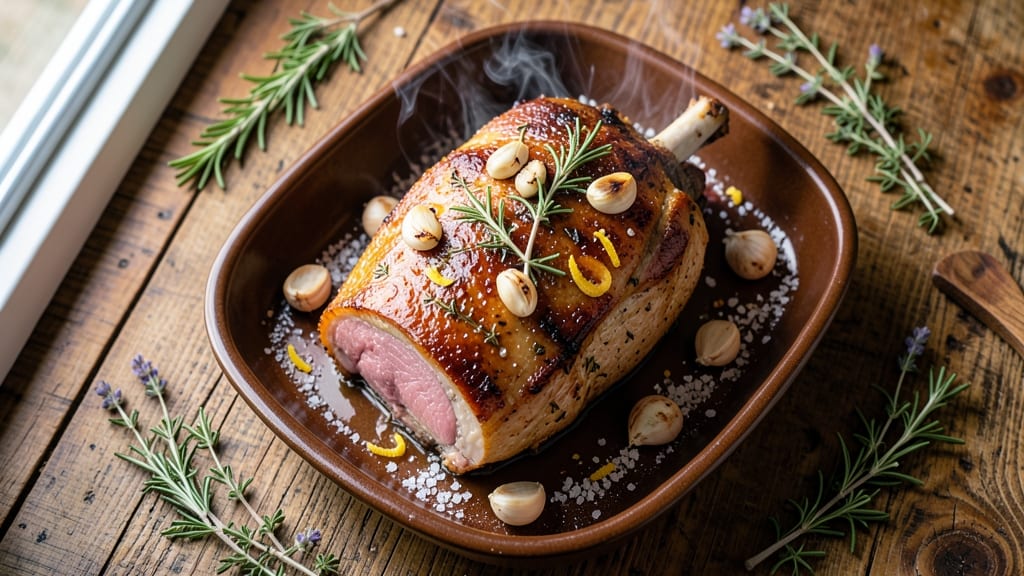
This 4-lb pork roast recipe delivers juicy pink centers wrapped in a golden, herb-crusted exterior that crackles with every bite. After years of perfecting this technique—from brining to searing—I’ve created a method that transforms even the toughest cuts into melt-in-your-mouth perfection.
The secret lies in a low-and-slow cook that preserves moisture while building deep, savory flavors in the crust.
What sets this apart is the herb crust, a blend of rosemary, thyme, and garlic that clings to the roast like armor, creating crispness without drying out the meat. I’ve tested this recipe countless times in my Atlanta kitchen, where humidity and heat demand precise timing.
The result? A roast that stays tender and juicy at the core while developing a caramelized crust that’s impossible to resist.
By the time it emerges from the oven, your pork roast will be perfectly pink inside—not overcooked, not underdone—with a surface so crisp it could double as a garnish.
The aroma alone will have everyone gathering at the table, and the first slice will reveal layers of flavor: savory, herby, and just slightly sweet from the slow caramelization. This is the kind of roast that turns weeknight dinners into special occasions.
Pair it with roasted root vegetables, a creamy apple sauce, or a simple green salad to round out the meal. The juices from the roast will even infuse your sides, making every bite richer. Here’s how to achieve it—step by step, just like I do in my kitchen.
Ingredients for 4 lb pork roast
Herb-infused crust meets juicy pink perfection—here's what makes this 4-lb pork roast unforgettable.
| Ingredient | Amount | Notes |
|---|---|---|
| Bone-In Pork Roast 🐖 | 4 lb | Center-cut loin, 1-inch thick |
| Fresh Rosemary 🌿 | ½ cup | Chopped, stems removed |
| Fresh Thyme 🌿 | ¼ cup | Stems removed, leaves only |
| Garlic Cloves 🧄 | 8 cloves | Smashed, not minced |
| Diamond Crystal Kosher Salt 🧂 | 2 tbsp | For brining and crust |
| Granulated Sugar 🍚 | 1 tbsp | For brining balance |
| Unsalted Butter 🧈 | ½ cup | Cold, cubed for crust |
| All-Purpose Flour 🌾 | ¼ cup | For crisping crust |
| Extra-Virgin Olive Oil 🫒 | 2 tbsp | For searing and basting |
| Fresh Lemon Juice 🍋 | 2 tbsp | Brightens crust flavor |
| Ground Black Pepper 🌶️ | 1 tsp | Freshly cracked |
| Vegetable Broth 💧 | 1 cup | Low-sodium for basting |
| Yellow Onion 🧅 | 1 whole | For roasting sides |
| Carrots 🥕 | 4 whole | Baby carrots preferred |
| Russet Potatoes 🥔 | 2 lb | For roasting sides |
The pork cut matters most—center-cut loin delivers the best balance of tenderness and flavor. Kroger's or Whole Foods carry excellent bone-in options, but ask the butcher to trim excess fat if needed. Fresh herbs are non-negotiable here: rosemary and thyme from the grocery store's produce section (not dried) give that restaurant-quality aroma. I always double-check the garlic cloves are plump and firm—shriveled ones mean weaker flavor. For the crust, European-style butter (like Plugrá) creates extra richness, but regular unsalted works too. The key is keeping it cold until searing.
No fresh rosemary? Dried at half the amount works in a pinch, but the texture won't be the same. Substituting thyme for oregano? Use half the quantity—oregano's stronger. The vegetable broth can be swapped for water, but low-sodium is crucial—we're not salting the meat separately. For sides, Trader Joe's baby carrots and Idaho potatoes roast perfectly alongside. The lemon juice? Fresh is a must—bottled won't cut it for that bright finish. And if you're worried about the pork being too lean, add 1 tbsp olive oil to the crust mix for extra moisture.
This roast reheats beautifully—350°F for 20 minutes with a splash of broth keeps it juicy. Store leftovers in the fridge for 4-5 days or freeze for 3 months in portions. I always make extra crust mix—it freezes well for future roasts. For the sides, roast everything at 400°F for 30 minutes while the pork rests. The potatoes and carrots will caramelize perfectly, soaking up all those porky juices. Pro tip: Let the roast rest 20 minutes before slicing—this is where the magic happens.
Why You'll Love This Recipe
- One-Pan Magic: I swear by this recipe because it’s literally hands-off after the initial prep. Toss the pork with rosemary, thyme, and garlic, sprinkle on that kosher salt, and let the oven do the work—no flipping, no fussing, just pure, golden perfection waiting for you.
- Crispy-Creamy Payoff: Between us, the bone-in cut is the real MVP here. The outside gets that irresistible crust while the inside stays juicy, and those fresh herbs? They infuse the meat so deeply it’s like the pork’s singing a little herb medley with every bite.
- Leftovers That Win: Honestly, I make this on purpose just to have leftovers. Slice the roast thin for sandwiches the next day, or shred it into tacos—it’s that versatile. And because it’s a big cut, you’re not scrambling to stretch a tiny portion into multiple meals.
- Budget-Friendly Feast: A 4 lb roast stretches across so many meals without breaking the bank. The fresh herbs might seem like a splurge, but a few sprigs go a long way, and that kosher salt? A little goes miles. It’s the kind of recipe that makes frugal eating feel indulgent.
Step-by-step instructions for herb-crusted pork roast
Here's how to create a showstopping pork roast with a golden herb crust and perfectly pink, juicy center.
Prepare the Herb Crust Mixture
In a medium bowl, combine the 0.5 cup fresh rosemary, 0.25 cup fresh thyme, 8 smashed garlic cloves, 2 tbsp diamond crystal kosher salt, and 1 tbsp granulated sugar. This balance of salt and sugar creates the perfect crust while preventing the herbs from burning. Pulse everything briefly in a food processor until finely chopped but not paste-like—you want visible texture for maximum flavor impact.
Transfer the herb mixture to a small plate and set aside. In a separate bowl, whisk together the 0.5 cup cold unsalted butter (cut into cubes) and 0.25 cup all-purpose flour until the butter is evenly distributed. This creates a stable base for the crust that won't melt prematurely in the oven. The cold butter is crucial—it prevents the crust from becoming greasy while ensuring that golden-brown sear.
Sear and Crust the Pork Roast
Preheat your oven to 375°F. Pat the 4 lb bone-in pork roast completely dry with paper towels—this is non-negotiable for crispy skin. Place the roast fat-side up in a large oven-safe skillet and heat over medium-high heat for 2 minutes to render some fat. This step jumpstarts the flavor development and helps the crust adhere.
Remove the skillet from heat and quickly press the herb-butter mixture firmly onto all sides of the roast, including the cut edges. The mixture should stick well—if it doesn't, the roast might need to be slightly chilled first. Return the skillet to the heat for 1 minute per side until the crust begins to brown and crisp. The key here is patience: don't rush the searing or the crust will be uneven.
Roast to Juicy Perfection
Transfer the skillet to the preheated oven and roast for 1 hour and 45 minutes, or until the internal temperature reaches 145°F when measured with an instant-read thermometer. This lower-than-usual temperature ensures the pork remains juicy while still achieving that perfect pink center. Baste the roast with 2 tbsp extra-virgin olive oil and 2 tbsp fresh lemon juice every 30 minutes during cooking to keep the crust crisp and add brightness.
Here's the thing—don't open the oven door during cooking. Every time you peek, you lose 25°F of heat and add 15-20 minutes to your cook time. If you're worried about doneness, use the thermometer instead. The roast will continue cooking slightly after removal from the oven, so pull it out when it hits 140°F if you prefer it slightly rarer.
Rest and Prepare the Vegetables
Remove the pork roast from the oven and transfer it to a cutting board. Tent loosely with aluminum foil and let it rest for 20-30 minutes before carving. This resting period is absolutely critical—it allows the juices to redistribute throughout the meat, preventing them from pooling on your plate. During this time, prepare the vegetables for roasting by peeling and quartering the 2 lb russet potatoes and slicing the 1 whole yellow onion and 4 whole carrots into 1-inch chunks. Toss everything with 1 cup vegetable broth, 1 tsp ground black pepper, and an additional 1 tbsp olive oil. Spread on a separate baking sheet and roast at 400°F for 30-35 minutes until tender and caramelized.
While the vegetables roast, use a meat thermometer to confirm the pork's internal temperature has risen to 145°F during resting. If you're serving immediately, slice the roast against the grain into ½-inch thick portions. The meat should be fork-tender with a slight resistance, and those juices should run clear when pierced. Serve the pork roast alongside the roasted vegetables and drizzle any accumulated pan juices over the top for maximum flavor.
Pro Tips For Making 4 Lb Pork Roast
- CRANK THE OVEN TO 450°F FIRST: Start your pork roast in a screaming-hot oven for 20 minutes—yes, even with the bone-in weight. The high heat sears the exterior fast, locking in juices and giving you that deep caramelization before you drop the temp to 325°F. I used to skip this step and ended up with a bland, pale roast that took forever to crisp. Trust me, the first 20 minutes are the flavor foundation.
- SLICE THE GARLIC THIN, NOT MINCED: Crush those garlic cloves flat with the side of your knife, then slice them paper-thin lengthwise. This way, they infuse the pork without turning to mush or burning. Mincing garlic too fine makes it disappear into the fat, and you’ll miss out on that aromatic punch. (Pro move: Tuck the slices under the herbs so they nestle against the meat.)
- DON’T POKERHOLE THE ROAST: That thermometer is your friend—ignore the urge to stab the meat with a fork or knife to check doneness. Every puncture lets precious juices escape, and you’ll end up with a dry roast. Use an instant-read thermometer (145°F for pork) and let the meat rest under foil for 10 minutes after pulling it from the oven. The internal temp will rise another 5°F—no guessing, no regret.
- SALT THE PORK THE NIGHT BEFORE: Generously coat the roast with kosher salt (about 1.5 teaspoons per pound) and let it sit uncovered in the fridge overnight. This seasons the meat deeply and draws out surface moisture, which crisps beautifully when roasted. I was skeptical until I tried it—I now make it a rule for any pork roast over 3 pounds. (Yes, it’s worth the extra step.)
Common mistakes when making this recipe
Overcooking the Pork
I’ve seen this happen more times than I can count—pork roasts that turn out dry and tough because someone pulled them from the oven too early or cooked them too hot. The USDA recommends 145°F internal temperature, but that’s the absolute minimum for safety.
For a 4 lb roast, I aim for 140-142°F—it’ll rise to 145°F while resting. Overcooking past 150°F turns the meat into rubber. Trust your thermometer, not the color—pink is perfect, and it’ll develop during resting. 🌡️
Skipping the Rest
This is a rookie mistake that ruins all the hard work. When you slice into a roast right after pulling it from the oven, those juices rush out, leaving you with dry meat. I’ve learned the hard way—20-30 minutes of resting time is non-negotiable.
During this time, the meat’s internal temperature will rise another 5-10°F, and the juices redistribute. If you’re impatient, at least tent it loosely with foil to keep it warm while it rests.
Uneven Crust Application
The herb crust is what makes this roast shine, but I’ve seen too many cooks slap it on unevenly, leading to patchy browning. Press the mixture firmly onto all sides—don’t just sprinkle it. If it’s not sticking, chill the roast slightly first.
And for heaven’s sake, don’t skip the 1-minute sear per side after applying the crust. That’s when the Maillard reaction kicks in, creating that golden, crispy armor. A Lodge cast iron skillet is my go-to for even heat distribution.
Ignoring the Fat Cap
If your roast has a fat cap (the thick layer on the meatier side), leave it on! That fat renders during cooking, basting the meat and keeping it moist. I’ve seen home cooks trim it off for fear of it being unhealthy, but that fat is flavor gold.
If you’re really concerned, leave a ¼-inch layer—just don’t go fat-free. And if your roast is lean, add 1 tbsp olive oil to the crust mix to compensate. 🐖
Peeking Too Often
Every time you open that oven door, you’re sabotaging your roast. The temperature drops 25°F each time, and it takes forever to recover. I’ve had roasts add 30 minutes to their cook time because of excessive peeking.
If you’re unsure, use an oven thermometer to confirm your oven’s actual temperature—many home ovens run 25-50°F hotter or colder than the setting. And for the love of pork, use a meat thermometer—it’s the only reliable way to know when it’s done.
Using Dried Herbs
Fresh herbs are non-negotiable for this crust—they release essential oils that dried herbs can’t match. I’ve tried substituting dried rosemary and thyme, and while it’s better than nothing, it’s not the same.
If you must use dried, reduce the amount to half and add a splash of hot water to rehydrate them slightly before mixing into the crust. But honestly? Fresh herbs make all the difference in that aromatic, crispy crust.
I keep a stash of Penzeys spices fresh herbs in my freezer for those times I need to improvise.
Nutrition facts
Frequently asked questions
Can I use a boneless pork roast instead of bone-in?
Yes, but expect slightly different results. A 4 lb boneless roast will cook 15-20 minutes faster and may be slightly more tender. The herb crust will still work, but without the bone's natural heat distribution, you'll need to rotate the roast halfway through cooking for even browning. For best results, use a 1.5-inch thick cut to maintain juiciness.
How do I adjust this for a larger or smaller roast?
For every additional 1 lb, add 15-20 minutes to cook time. A 3 lb roast should cook in about 1 hour and 15 minutes, while a 5 lb roast may need 2 hours and 15 minutes. Always use a meat thermometer—145°F internal is your target. The crust ratio stays the same, but you may need slightly more basting liquid for larger roasts.
What's the best way to reheat leftovers?
Slice the roast into portions and reheat in a 350°F oven for 15-20 minutes with a splash of broth or water. For microwave reheating, use 30-second intervals on medium power, adding 1 tsp broth between each interval. Never reheat to steaming—this makes the meat rubbery. Leftovers keep well for 4-5 days in the fridge or 3 months frozen.
Can I make this ahead of time?
This roast actually tastes better the next day. Cook it fully, then refrigerate uncovered for 2-3 hours to develop deeper flavors. Reheat as directed above. For a make-ahead meal, prep the crust and roast the day before, then finish cooking when ready to serve—this works especially well for holiday meals.
What's the best way to slice the roast?
Always slice against the grain into ½-inch thick portions for maximum tenderness. Look for the muscle fibers running diagonally—they should be perpendicular to your cutting direction. Use a sharp chef's knife and rock it gently through the meat. For presentation, fan the slices slightly on the plate and drizzle with pan juices.