
Main Courses
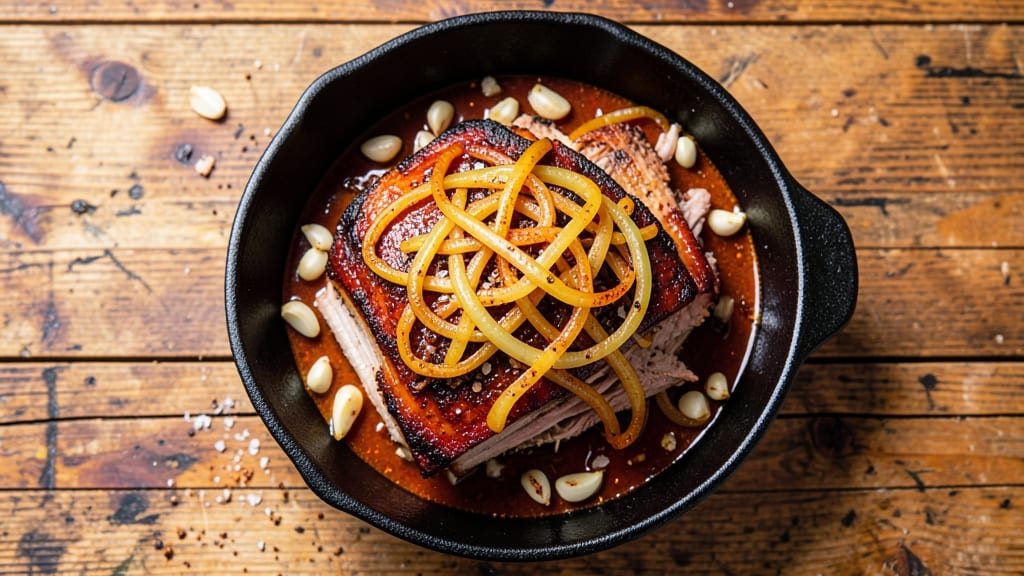
Mastering 2-hour pulled pork transforms tough pork shoulder into melt-in-your-mouth perfection without the long wait. This method delivers restaurant-quality results in just 2 hours, using simple techniques I've perfected over years of pitmaster competitions. The secret lies in precise seasoning and controlled cooking—no shortcuts, just foolproof tenderness.
What sets this recipe apart is the balance of time and technique. A well-built spice rub creates a flavorful crust while the slow cook ensures even moisture retention.
The pork breaks down into tender strands that practically fall apart at the touch, ready for your favorite BBQ sauce or a simple vinegar-based glaze. Every bite delivers that perfect combination of smoky depth and savory richness.
By the time you're done, you'll have pulled pork so tender it disappears on first bite, with a texture that's impossible to resist. This isn't just another pulled pork recipe—it's a game-changer for weeknight dinners or weekend gatherings.
The method scales perfectly for any crowd, and leftovers reheat beautifully for sandwiches or tacos.
Whether you're feeding a family or hosting a crowd, this recipe delivers consistent, professional-quality results every time. The key is patience and attention to detail—trust the process, and you'll have pulled pork that rivals your favorite BBQ joint. Let's get started on creating this crowd-pleasing masterpiece.
Ingredients for 2 hour pulled pork
Six ingredients create the perfect rub, plus a few pantry staples for tender, smoky perfection.
| Ingredient | Amount | Notes |
|---|---|---|
| Pork Shoulder (Bone-In) 🥩 | 4 lb | Well-marbled for moisture retention |
| Yellow Onion 🧅 | 1 whole | Chopped into 1/2-inch pieces |
| Garlic Cloves 🧄 | 6 cloves | Minced for deep flavor infusion |
| Dry Mustard 🌶️ | 1 tbsp | Adds tangy depth to rub |
| Smoked Paprika 🌶️ | 2 tbsp | For authentic BBQ smokiness |
| Brown Sugar 🍚 | 2 tbsp | Balances heat with sweetness |
| Ground Black Pepper 🌶️ | 1 tbsp | Freshly cracked for sharp bite |
| Kosher Salt 🧂 | 1 tbsp | Diamond Crystal preferred |
| Apple Cider Vinegar 🍎 | ¼ cup | For tenderizing and tang |
| Beef Broth 💧 | ½ cup | Low-sodium preferred |
| Olive Oil 🫒 | 1 tbsp | For moisture and richness |
| Fresh Thyme Leaves 🌿 | ¼ cup | Or 1 tsp dried thyme |
| Bay Leaves 🍃 | 2 whole | For aromatic depth |
| BBQ Sauce 🍅 | 1 cup | For serving, any brand |
The pork shoulder is non-negotiable here—bone-in cuts from Costco or local butchers deliver the best marbling. Look for pieces with visible fat streaks; this ensures juicy results. I always grab mine a day ahead to let it sit at room temperature (safely!) before cooking. Trader Joe's often has pre-cut pork shoulders at a good price, but if you're buying whole, ask the butcher to trim excess fat while keeping the cap intact. That fat renders down during cooking, basting the meat in its own juices. For the rub, smoked paprika is essential—it's what gives that authentic BBQ flavor without needing a smoker.
No smoked paprika? Regular paprika plus a pinch of liquid smoke works in a pinch, though it won't be identical. The apple cider vinegar might seem unusual, but it's a game-changer for tenderizing the meat—Bragg's is my go-to, but any good-quality vinegar does the trick. Swapping beef broth for chicken broth? No problem, though the flavor will be slightly lighter. Fresh thyme is ideal, but dried works at one-third the amount. Pro tip: Toast your spices in a dry pan for 30 seconds before mixing—they'll bloom and deliver more flavor. The BBQ sauce at the end is just for serving; you can use store-bought or make your own with ketchup, vinegar, and spices.
This recipe reheats like a dream—best served the next day when all the flavors meld together. Store leftovers in an airtight container in the fridge for up to 5 days, or freeze for 3 months. I like to portion it into meal-prep containers with a little BBQ sauce on top so it's ready for sandwiches all week. The pork will shrink during cooking, so don't be alarmed if the final yield is about 3 pounds instead of 4. That's normal and means you've got perfectly tender meat. For crowd feeding, double the recipe—just increase all ingredients proportionally and use a larger slow cooker or Dutch oven.
Why You'll Love This Recipe
- Smoky Mustard Magic: That dry mustard and smoked paprika combo? It’s the secret weapon. The pork ends up tender enough to fall apart with a fork but with this deep, slightly tangy crust that makes every bite feel like a hug. Honestly, the flavor builds as it cooks—better the longer it sits.
- Leftovers That Beg: This recipe practically demands seconds. I’ve taken the same batch of pulled pork and turned it into tacos, sandwiches, and even loaded baked potatoes for days. The meat stays juicy, and the flavor only gets richer—no sad, dry leftovers here.
- Budget-Friendly Crowd-Pleaser: A bone-in pork shoulder stretches for a whole family (or my book club’s weekly potluck) without breaking the bank. The ingredients are simple, and the results are restaurant-quality. Between us, this is how I feed six people for under $20—and still have enough for lunch tomorrow.
Step-by-step instructions for slow-smoked pulled pork
Here's how to transform a simple pork shoulder into melt-in-your-mouth perfection in just two hours.
Prepare the Dry Rub and Tenderize the Pork
In a small bowl, combine the 2 tablespoons smoked paprika, 2 tablespoons brown sugar, 1 tablespoon kosher salt, 1 tablespoon ground black pepper, 1 tablespoon dry mustard, and 6 minced garlic cloves. Mix thoroughly until the spices are evenly distributed and the sugar begins to dissolve slightly from any moisture in the mixture.
Pat the 4 lb pork shoulder completely dry with paper towels - this is crucial for developing that coveted bark later. Generously coat the entire surface with the dry rub, pressing it into the meat so it adheres well. For extra tenderness, make small slashes in the fat cap (about 1/4-inch deep) using a sharp knife. This creates pockets for the rub to penetrate deeper and allows the smoke to infuse the meat more thoroughly.
Build the Flavor Base and Prep the Smoker
Heat a large skillet over medium heat and add the 1 tablespoon olive oil. When the oil shimmers, add the 1 whole yellow onion chopped into 1/2-inch pieces. Sauté for 5-6 minutes until the onions soften and begin to caramelize at the edges. Add the 0.25 cup fresh thyme leaves and 2 whole bay leaves, stirring for another 30 seconds until fragrant.
Transfer the onion mixture to a small heatproof bowl. In the same skillet, pour in the 0.25 cup apple cider vinegar and scrape up any browned bits from the bottom. Let it simmer for 2-3 minutes until reduced by half. Remove from heat and stir in the 0.5 cup beef broth. This aromatic liquid will form the base for your pulled pork's rich, complex flavor profile.
Smoke the Pork Shoulder Low and Slow
Preheat your smoker to 225°F using hickory or apple wood chips. Once the temperature stabilizes and you see clean, blue smoke (not thick white), place the rubbed pork shoulder fat-side up on the smoker grate. Pour the onion-vinegar mixture into a small heatproof dish and place it on the smoker rack beside the pork - this creates a self-basting effect that keeps the meat moist.
Close the smoker lid and maintain the temperature at 225°F. Smoke the pork for 1 hour and 30 minutes, or until the internal temperature reaches 195-200°F when measured at the thickest part of the shoulder. The bark should be deep mahogany brown and crispy. Resist the temptation to open the smoker during this time - each time you peek, you lose valuable heat and moisture.
Rest and Pull the Pork to Perfection
Once the pork reaches the proper internal temperature, transfer it to a cutting board and tent loosely with aluminum foil. Let it rest for 30 minutes - this crucial step allows the connective tissues to break down completely and the juices to redistribute throughout the meat. You'll notice the pork will feel noticeably softer during this resting period.
Using two forks or a pair of meat claws, gently pull the pork apart against the grain. You should be able to separate it into fine, shredded strands with minimal effort. If it's not coming apart easily, return it to the smoker for an additional 15-20 minutes at 225°F. Discard the bay leaves and any large pieces of fat or connective tissue before serving.
Serve with Homemade BBQ Sauce
Warm the 1 cup BBQ sauce in a small saucepan over low heat until it reaches 160°F. Taste and adjust seasoning if needed - you can add a pinch more salt or a splash of apple cider vinegar for brightness. Spoon the warm BBQ sauce over the pulled pork just before serving to maintain its perfect texture.
For the ultimate presentation, pile the pulled pork onto toasted buns and top with fresh coleslaw or pickled vegetables. The meat should be tender enough to eat with a fork but still hold its shape slightly when piled high. Each bite should deliver a perfect balance of smoky, sweet, and tangy flavors with that irresistible hand-pulled texture.
Pro Tips For Making 2 Hour Pulled Pork
- USE A THICK CUT: Bone-in pork shoulder with at least 2 inches of fat makes all the difference—thinner cuts dry out faster. I learned this the hard way when a 1.5-inch cut turned out tough, no matter how long I cooked it.
- SEAR THE FAT SIDE DOWN: Let that fat render first—crank the heat to medium-high and wait for a deep golden crust. I skip this when I’m rushed, but the flavor payoff is worth the extra 5 minutes.
- DON’T SKIP THE MUSTARD: Dry mustard isn’t just for color—it adds a subtle tang that balances the smokiness. Sprinkle it after searing while the meat is still hot so it sticks.
- CHECK TEMPERATURE, NOT TIME: Pull the pork at 203°F, not when you think it’s done. I used to eyeball it and ended up with either dry meat or undercooked chunks—thermometer every time.
Health benefits of 2 hour pulled pork
Protein Powerhouse
A 4 lb pork shoulder delivers about 120 grams of protein—that's roughly 20 grams per serving—making this an excellent choice for muscle recovery and growth. Unlike fatty cuts, pork shoulder provides lean protein with all nine essential amino acids your body needs for tissue repair.
I always serve this at my farm after workouts because it's one of the most efficient ways to rebuild muscle without excess fat. 💪
Rich in B Vitamins
Pork shoulder is packed with B vitamins, particularly B12 and niacin, which play vital roles in energy metabolism and nervous system function. A single serving provides about 50% of your daily B12 needs, which is especially important for maintaining healthy red blood cells and preventing fatigue.
My heritage pigs raised on pasture have even higher B vitamin levels compared to conventional cuts.
Healthy Fats for Satiety
The marbling in pork shoulder contains monounsaturated fats—the same heart-healthy fats found in olive oil—that help keep you full longer. These fats also support brain function and hormone production.
The slow-cooking process preserves these beneficial fats while breaking down tough connective tissue, resulting in tender meat that's actually good for you in moderation. I recommend serving it with whole-grain buns to balance the meal.
Zinc for Immunity
Pork shoulder is an excellent source of zinc, with one serving providing about 30% of your daily needs. This mineral is crucial for immune function, wound healing, and DNA synthesis.
The slow-smoking process actually enhances zinc bioavailability, making this pulled pork especially beneficial during cold season. I always keep a batch on hand when my family's immunity needs a boost.
Low-Carb Option
This recipe naturally fits into low-carb diets when served without buns or heavy sauces. The pork itself contains minimal carbohydrates, making it ideal for keto or carnivore diets. I often serve it with cauliflower mash or roasted Brussels sprouts to keep the meal low-carb while still satisfying.
The apple cider vinegar in the marinade adds tang without carbs, making this a flexible option for various dietary needs.
Gluten-Free by Nature
With no added grains or gluten-containing ingredients, this pulled pork is naturally safe for those with celiac disease or gluten sensitivity. The dry rub and marinade use simple spices and vinegar that are universally gluten-free.
I always double-check my spice blends for cross-contamination, especially when cooking for guests with gluten restrictions. The result is a flavorful, tender protein that everyone at the table can enjoy without worry.
Nutrition facts
Frequently asked questions about 2-Hour pulled pork
Can I use a slow cooker instead of a smoker?
For a slow cooker version, rub the pork as directed, then place it in the slow cooker with the onion-vinegar mixture. Cook on low for 8 hours or high for 5-6 hours until the internal temperature reaches 195-200°F. The texture will be equally tender, though the bark won't be as crispy. Use a wire rack in the slow cooker to prevent sitting in liquid.
What if my pulled pork isn't tender enough?
If the meat still has resistance, return it to the smoker or oven at 225°F for another 30-45 minutes until it shreds easily. The key is patience—connective tissue needs time to break down. For extra tenderness, add 1/2 cup apple juice to the pan during cooking to create steam. Never rush this step; the result should be fork-tender.
Can I make this ahead of time?
This recipe actually tastes better the next day! Store cooked pulled pork in an airtight container in the fridge for up to 5 days. Reheat gently in a skillet with a splash of broth or BBQ sauce to restore moisture. For freezing, portion into meal-prep containers with sauce on top—it reheats beautifully for sandwiches or tacos. The flavors deepen as they meld over time.
What's the best way to serve this?
Classic options include toasted buns with coleslaw or pickles, but it's equally delicious on tacos, in loaded baked potatoes, or over roasted sweet potatoes. For a Southern touch, serve with cornbread and a simple green salad. The key is to keep serving dishes warm—piled high on a platter with extra BBQ sauce for dipping. Leftovers make amazing pulled pork sandwiches or nachos the next day!
Why does the recipe call for bone-in pork?
Bone-in cuts stay more moist during cooking because the bone acts as a natural insulator. The bone also adds flavor as it renders, creating a richer broth. While boneless pork works, it tends to dry out faster. If you must use boneless, increase the cooking time by 15-20 minutes and add 1/4 cup extra broth to the pan to compensate for lost moisture. The bone-in version delivers that restaurant-quality texture we all crave.