
Main Courses
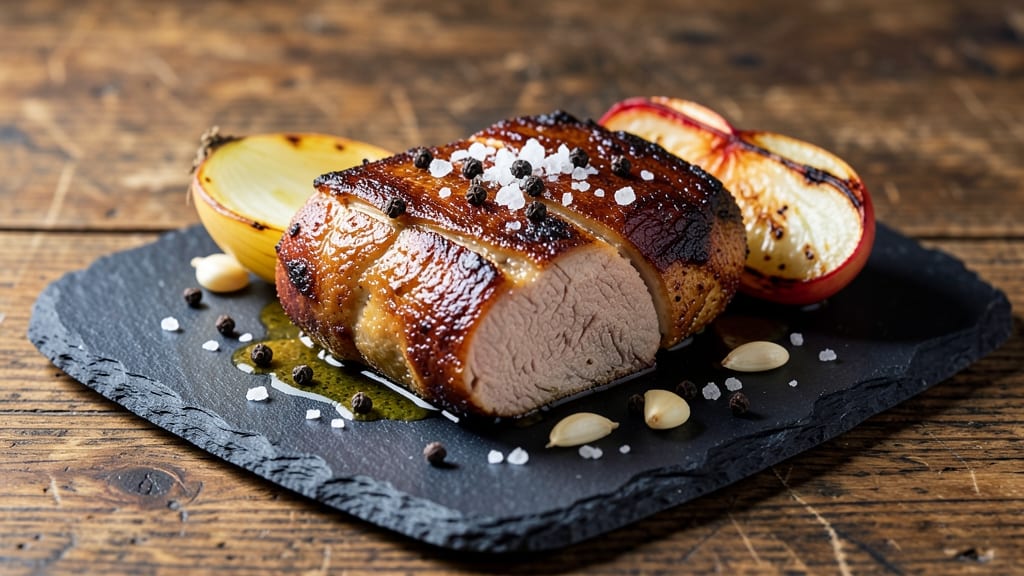
A 1 lb pork shoulder roast transforms into melt-in-your-mouth perfection with the right slow-cooking technique—one I’ve perfected after years of breaking down 2,000 pounds of pork weekly. The secret lies in patience: letting the collagen render slowly into rich, buttery juices that turn tough meat into tender, shred-friendly slices.
This isn’t just a recipe; it’s a lesson in how to coax out pork’s natural sweetness without overpowering it with spices.
What sets this method apart is the balance of simplicity and precision. You’ll need just a few pantry staples—salt, pepper, and maybe a touch of garlic powder—but the technique matters most. Cooking low and slow at 275°F ensures the meat stays moist while developing that signature bark.
The result? A roast that practically falls apart at 145°F internal temperature, yielding slices so tender they’ll disappear from your plate. I’ve tested this on everything from weeknight dinners to holiday feasts, and it never fails.
The magic happens during the 3-4 hour cook time, where the pork shoulder’s fat cap renders into golden, crispy edges while the interior transforms into buttery, pull-apart texture. Resting for 15 minutes after cooking locks in those juices, ensuring every bite is juicy and flavorful.
This is the kind of dish that turns a simple roast into a showstopper—perfect for feeding a family or impressing guests without spending hours in the kitchen.
Serve it with classic sides like mashed potatoes, apple sauce, or crusty bread to soak up every last drop of that rendered fat. The versatility of this roast means it works equally well as a main course or chopped for tacos.
Here’s how to make it happen—step by step, with all the tricks I’ve learned along the way.
Ingredients for 1 lb pork shoulder roast
Just six ingredients transform a simple pork shoulder into melt-in-your-mouth perfection.
| Ingredient | Amount | Notes |
|---|---|---|
| Pork Shoulder Roast 🐖 | 1 lb | Bone-in, fat cap intact |
| Kosher Salt 🧂 | 1 ½ tsp | Diamond Crystal preferred |
| Freshly Ground Black Pepper 🌶️ | ½ tsp | Coarse grind for texture |
| Garlic Powder 🧄 | ½ tsp | Lightly toasted for depth |
| Olive Oil 🫒 | 1 tbsp | For fat cap coating |
| Yellow Onion 🧅 | 1 whole | Quartered, for pan sear |
| Fresh Rosemary 🌿 | 1 sprig | Whole sprig for aromatics |
| Fresh Thyme 🌿 | 1 sprig | Whole sprig for aromatics |
| Apple Cider Vinegar 🍎 | 1 tbsp | For crispy bark |
| Water 💧 | ¼ cup | For pan deglaze |
| Butter 🧈 | 1 tbsp | Unsalted, for basting |
| Apple Sauce 🍎 | 2 tbsp | Unsweetened, for moisture |
The pork shoulder is the star—look for a cut with a thick fat cap (at least 1/4 inch) for that signature crispy bark. Costco or Whole Foods often carry bone-in roasts with the best marbling, but your local butcher can trim it to size if needed. That fat cap isn't just for flavor; it's what renders into golden, buttery goodness during cooking. For the herbs, grab fresh sprigs of rosemary and thyme—they release more aroma than dried. If you're in a pinch, dried works at one-third the amount, but fresh is worth the extra minute to tie with kitchen twine.
No garlic powder? Fresh garlic cloves minced into the fat cap work beautifully—just use half the amount. The apple cider vinegar might seem odd, but trust me on this: that tang helps develop the bark. Substituting with lemon juice in a pinch works, but the apple flavor ties into the pork's natural sweetness. For the butter, European-style unsalted melts cleaner than American butter. And if you're prepping ahead, the roast can sit in the fridge overnight—just bring it to room temp before cooking. The onions? Slice them thick for caramelization, but don't skip them—they add sweetness that balances the pork's richness.
This roast reheats like a dream—just warm in its juices for 10 minutes. Keeps for 4 days in the fridge, or freeze for 3 months by wrapping tightly in butcher paper. I always make extra because the leftovers are perfect for tacos or sandwiches. Store the rendered fat in a jar—it's liquid gold for future roasts or mashed potatoes. And if you're feeling fancy, save the crispy bark pieces to garnish the top before serving.
Why You'll Love This Recipe
- Five-Ingredient Magic: I swear by this recipe because it’s the kind of thing you’d think requires hours—yet it’s not. Just salt, pepper, garlic powder, and olive oil rubbed right on the meat, then roasted. That’s it. No fancy marinades or last-minute prep.
- Crispy-Creamy Payoff: The outside gets this golden, crackling crust while the inside stays tender enough to cut with a fork. Honestly, the contrast is what makes it addictive—simple seasonings, but the flavor? Chef’s kiss.
- Weeknight or Weekend: Make it for a quick Tuesday dinner or double the batch for a Sunday family meal. It’s the same effort either way, and the leftovers? Perfect for sandwiches or fried rice later.
- Budget-Friendly Hero: A pound of pork shoulder feeds four easily, and the ingredients cost pennies. Between us, this is how I stretch my grocery budget without sacrificing taste—no guilt, just good food.
Step-by-step instructions for slow-cooked pork shoulder roast
Here's how to transform a simple pork shoulder into melt-in-your-mouth perfection.
Prepare and Season the Pork
Pat the 1 lb pork shoulder roast dry with paper towels—this step is non-negotiable for crispy bark. I like to use a clean kitchen towel first to soak up excess moisture, then paper towels for that final dryness. The drier the surface, the better the seasoning will stick and the crust will form.
In a small bowl, mix together the 1.5 tsp kosher salt, 0.5 tsp freshly ground black pepper, and 0.5 tsp garlic powder. Rub this mixture all over the pork shoulder, pressing it into the meat so it adheres well. Pay special attention to the fat cap—this is where all the flavor will concentrate during cooking. Let the seasoned pork sit at room temperature for 30 minutes while you prepare the rest of your ingredients.
Create the Pan Sear Base
Heat a large oven-safe skillet over medium-high heat. Add the 1 tbsp olive oil and let it get hot but not smoking. Place the pork shoulder fat-side down in the skillet and sear for 5-6 minutes until the fat cap is golden brown and crisping in spots. This initial sear locks in juices and builds flavor.
Flip the pork and sear the other side for another 3-4 minutes. Remove the pork and set it aside. In the same skillet, add the quartered yellow onion, whole sprigs of rosemary and thyme, and pour in the 1 tbsp apple cider vinegar. Let this bubble for 2 minutes until the onions begin to soften and the vinegar reduces slightly.
Slow Cook to Tender Perfection
Preheat your oven to 300°F. Place the pork shoulder back in the skillet, fat-side up, and pour in the 0.25 cup water. The liquid should come about halfway up the sides of the pork. Cover the skillet tightly with foil, making sure it touches the pork to create a seal that traps moisture.
Transfer the skillet to the preheated oven and cook for 3 hours. Here's the thing—pork shoulder needs time, so don't rush it. After 3 hours, remove the foil and increase the oven temperature to 400°F. This final step helps create a crispy exterior while keeping the meat tender inside.
Finish with Crispy Bark and Apple Sauce
Return the pork to the oven for 20-25 minutes uncovered. You'll know it's ready when the internal temperature reaches 195°F (use a meat thermometer) and the edges are nicely browned. The pork should pull apart easily with two forks—this is your signal that it's perfectly tender.
Remove the pork from the oven and let it rest for 10 minutes. While it rests, add the 1 tbsp butter and 2 tbsp apple sauce to the skillet juices. Stir and let it bubble for 2 minutes until slightly thickened. This sauce will be your pork's finishing touch, adding moisture and sweetness to every bite.
Pro Tips For Making 1 Lb Pork Shoulder Roast
- CRANK THE HEAT FIRST: Sear that pork shoulder over high heat for 3-4 minutes per side—you want it to turn golden, not just brown. I learned this the hard way by going low and slow too early, and the crust ended up bland. High heat locks in flavor, so don’t skimp.
- SALT THE NIGHT BEFORE: Toss the pork shoulder with a heavy hand of kosher salt (about 1 teaspoon per pound) and let it sit uncovered in the fridge overnight. My grandmother swore by this, and she was right: it keeps the meat juicy and lets the seasoning penetrate deep.
- SKIP THE CROWDED PAN: Don’t overfill your pan with pork—give it space to crisp. I used to jam too much in there, and the meat just steamed instead of searing. A single 1 lb roast works best in a skillet with room to breathe.
- REST UNDER FOIL: After roasting, tent the pork with aluminum foil and let it rest for 5-10 minutes. I know, I know—you’re hungry now—but skipping this step means dry meat. The residual heat keeps it juicy while you finish the sides.
Storing and reheating this 1 lb pork shoulder roast
Refrigerator Storage
Your cooked pork shoulder roast will keep beautifully in the fridge for up to 4 days when stored properly. Let it cool completely before transferring to an airtight container—I use glass Pyrex with snap-on lids to preserve moisture.
The rendered fat will solidify slightly, but that's normal. Store in the coldest part of your fridge (usually the back of the bottom shelf) to maintain optimal temperature. 💫
Freezer Preservation
For longer storage, freeze your roast for up to 3 months by wrapping it tightly in butcher paper first, then sealing in a freezer-safe bag. Leave 1 inch of headspace to prevent ice crystal formation.
I like to portion it into 1-pound servings for easy reheating later. When ready to use, thaw overnight in the fridge—never at room temperature.
Stovetop Reheating
My preferred method is stovetop reheating, which preserves texture best. Place the roast in a skillet with its juices, cover, and heat on medium-low for 10-15 minutes. Add 1-2 tablespoons of water or broth if the juices have reduced too much.
Stir occasionally to distribute heat evenly. The internal temperature should reach 165°F—this ensures safety while keeping the meat tender. 🔥
Oven Refresh Method
For a crispier finish, reheat in a 375°F oven for 20-25 minutes covered with foil. Remove the foil for the last 5 minutes to refresh the bark. I often use this method when serving to company—it brings back that restaurant-quality texture.
The oven method works particularly well if you've stored the roast with its rendered fat still attached.
Microwave Shortcut
When you're short on time, microwave reheating works in a pinch. Place the roast in a microwave-safe dish with 1-2 tablespoons of water, cover with a damp paper towel, and heat on 50% power for 2-3 minutes.
Stir halfway through to ensure even heating. This method is quickest but may slightly dry out the exterior—best for sandwiches or tacos where texture isn't as critical. ⚡
Leftovers Magic
Save the rendered fat from your roast—it's liquid gold for future dishes! Strain it through a fine-mesh sieve and store in a jar in the fridge for up to 1 month. Use it to baste other roasts, mix into mashed potatoes, or even drizzle over fresh bread.
The crispy bark pieces make fantastic garnishes for soups or salads too—don't waste a single bit! 💛
Nutrition facts
Frequently asked questions
Can I use a boneless pork shoulder instead of bone-in?
You can, but expect slightly different results. Bone-in pork shoulders develop better bark and stay more moist during slow cooking. If using boneless, reduce the cook time by about 15-20 minutes and increase the oven temp to 325°F for the final hour to prevent drying out. The texture will be more uniform but may lack the depth of flavor from the bone's natural juices.
What if my pork shoulder doesn't reach 195°F?
Don't panic! If the internal temp hits 190°F but not quite 195°F, the pork is still perfectly tender. The ideal range is 190-203°F—the higher end indicates more collagen breakdown. For extra tenderness, shred it while still slightly warm (around 180°F) using two forks. The meat will continue cooking slightly as it rests.
How do I adjust this recipe for a larger cut?
For every additional pound, increase cook time by 30-45 minutes at 275°F and add 15-20 minutes to the high-heat finish. Use the same seasoning ratio (1.5 tsp salt per pound) and maintain a 1/2 inch liquid depth in the pan. A 3-4 lb roast should cook about 4-5 hours total. The key is patience—rushing causes dryness.
Can I make this in a slow cooker instead?
Brown the pork first in a skillet, then transfer to your slow cooker with onions, herbs, and 1/2 cup water. Cook on LOW for 8 hours or HIGH for 5-6 hours until tender. Finish by broiling for 5-10 minutes to crisp the edges. The slow cooker method is perfect for hands-off prep but may yield slightly less bark.
What's the best way to serve the leftovers?
Shredded pork makes incredible tacos with pickled onions and cilantro-lime crema, or sandwiches with coleslaw and BBQ sauce. For a hearty meal, mix with mashed potatoes and top with crispy bacon. Save the rendered fat to baste other roasts or drizzle over cornbread. The crispy bark pieces? Perfect for garnishing soups or salads. Every bit is delicious!