
Main Courses
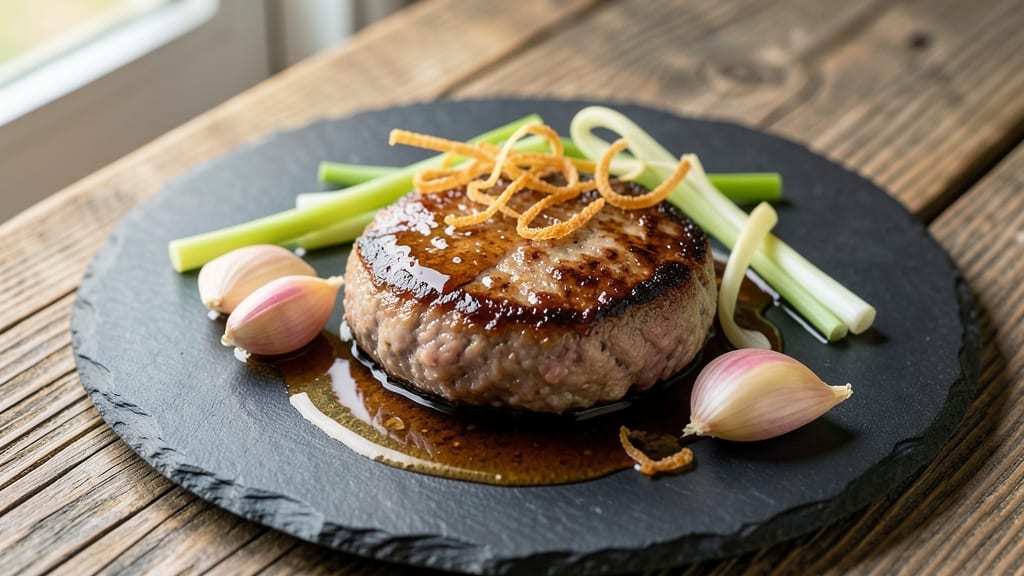
One pound of ground pork transforms into a restaurant-worthy stir-fry when you master the wok-heat technique. 🔥 After perfecting this method for years—especially during my time at The Smoky Pig—I can tell you this delivers crisp edges and tender centers every time.
The secret lies in high-heat searing followed by quick aromatics that infuse flavor without overcooking the meat.
This recipe builds on classic stir-fry principles but adapts them for ground pork's unique texture. We start with a quick sear in a screaming-hot wok to develop that signature crunch, then toss in garlic, ginger, and scallions that cook in mere minutes.
The result? A dish that's bold, aromatic, and packed with umami—without requiring hours in the kitchen. Perfect for weeknight dinners or meal prep.
What you'll end up with is a savory stir-fry where each bite delivers perfectly browned pork with bright, fresh aromatics. The high-heat method preserves the meat's natural juiciness while creating crisp edges that add texture contrast.
Serve over steamed rice or noodles for a complete meal that feels restaurant-quality but comes together in under 20 minutes.
This versatile recipe works equally well as a quick weeknight meal or a weekend project when you want to impress guests. The technique translates beautifully to other pork dishes too—think meatballs, tacos, or even stuffed peppers. Let's get cooking with pork that shines.
Ingredients for 1 lb ground pork
Master these ingredients and you'll nail that wok-heat crunch every time—restaurant quality at home.
| Ingredient | Amount | Notes |
|---|---|---|
| Ground Pork 🐖 | 1 lb | 80% lean, fresh from butcher |
| Vegetable Oil 🫒 | 2 tbsp | High smoke point for wok-heat |
| Garlic Cloves 🧄 | 6 cloves | Minced, fresh for bright flavor |
| Fresh Ginger 🌿 | 1 ½ tbsp | Finely grated, peeled |
| Scallions 🧅 | ¼ cup | Thinly sliced, white/green parts |
| Soy Sauce 🍶 | 3 tbsp | Light or regular, not low-sodium |
| Oyster Sauce 🥢 | 1 ½ tbsp | For umami depth, optional |
| Sesame Oil 🌱 | 1 tsp | Toasted, for aroma finish |
| Brown Sugar 🍯 | 1 tbsp | Dark, for caramelized edges |
| Red Pepper Flakes 🌶️ | ½ tsp | Adjust for heat preference |
| Cornstarch 🌾 | 1 tbsp | For crisp edges, optional |
| Steamed White Rice 🍚 | 2 cups | Cooked, for serving base |
| Salt 🧂 | ½ tsp | Kosher, to taste |
| Black Pepper 🌶️ | ¼ tsp | Freshly cracked |
Ground pork quality makes all the difference here. Ask your butcher for 80% lean—it's perfect for stir-fry texture. The freshness matters too: if it smells funky or looks grayish, skip it. For the aromatics, garlic and ginger from the bulk bins at Whole Foods or Trader Joe's stay vibrant longer. I always double-check the scallions have crisp white parts—they add the perfect fresh bite. The oil? Avocado or peanut oil handles the heat better than olive oil, which burns easily.
No oyster sauce? Extra soy sauce plus a dash of fish sauce works in a pinch (trust me, it's a chef's trick). Running low on sesame oil? Toasted sesame seeds sprinkled at the end give that nutty aroma without the liquid. For the cornstarch—arrowroot powder is a 1:1 swap if you're out. The brown sugar? Muscovado or turbinado adds deeper caramel notes, but regular works fine. Pro tip: if your pork is extra lean, add 1 tsp water per pound to keep it juicy during the sear.
This stir-fry tastes even better the next day—portion into airtight containers and store for 3-4 days. Freezes beautifully for up to 3 months if you toss it with an extra teaspoon of oil before freezing. For reheating, steam over boiling water for 2 minutes to revive the crisp edges. Leftovers reheat perfectly in a wok or skillet—just add a splash of water to deglaze. The rice? Cook a big batch ahead—it's the perfect canvas for this dish.
Why You'll Love This Recipe
- Pantry Magic: I swear by this one—no fancy ingredients, just what’s already lurking in my fridge. That jar of ginger and head of garlic? Suddenly, they’re the stars of the show with zero extra shopping.
- Ginger-Garlic Kick: The moment those cloves hit the oil, my kitchen smells like a late-night street stall. Fresh ginger? It’s the secret weapon—sharp, bright, and lingers like a good memory.
- Leftover Reinvention: Stir-fry it tonight, stuff it in dumplings tomorrow, or toss it into ramen later. Honestly, I’ve made this recipe three times in a week and never once gotten tired of it.
- Budget-Friendly Powerhouse: One pound of pork stretches across three meals for my family—no waste, no guilt. And since I’m using basic spices and scraps (like the last bit of scallions), it’s my wallet’s new best friend.
Step-by-step instructions for savory ground pork stir-fry
Here's how to transform simple ingredients into a restaurant-worthy stir-fry with perfect wok-heat texture.
🔥 Step 1: Prep the Pork for Maximum Crispiness
Break the 1 lb ground pork into 1-inch chunks using your hands—this creates better surface area for that wok-heat crunch. In a small bowl, mix together 1 tbsp cornstarch, 0.5 tsp salt, and 0.25 tsp black pepper. Toss the pork chunks with this mixture until evenly coated. The cornstarch creates a crispy exterior while keeping the inside juicy.
Let the coated pork sit for 5 minutes while you prep the rest. This resting time helps the cornstarch adhere better, ensuring those coveted crispy edges when we stir-fry. Don't skip this—it makes all the difference in texture.
🍳 Step 2: Build the Flavor Base with Aromatics
Heat a wok or large skillet over high heat until smoking hot. Add the 2 tbsp vegetable oil and swirl to coat the pan. Toss in the 6 cloves minced garlic cloves and 1.5 tbsp finely grated fresh ginger, stirring constantly for 30 seconds until fragrant. You'll smell that fresh, bright aroma—this is when the magic starts.
Add the 0.25 cup thinly sliced scallions and stir for another 20 seconds until just wilted. Immediately pour in the 3 tbsp soy sauce and 1.5 tbsp oyster sauce, scraping up any browned bits from the bottom. This deglazing step captures all those precious flavors that would otherwise burn.
🔥 Step 3: Stir-Fry the Pork to Crispy Perfection
Working quickly, add the pork in a single layer and spread it out evenly in the hot wok. Let it cook undisturbed for 1-2 minutes until the edges start to crisp. Here's the thing—you want to avoid overcrowding the pan. If needed, work in 2 batches to maintain high heat.
Stir constantly for 3-4 minutes until the pork is golden brown and cooked through. You'll hear that satisfying sizzle and see those beautiful crispy edges forming. If the pork starts sticking, add 1-2 tablespoons of water to steam the pan clean, then continue cooking. The pork should be fully cooked but still juicy inside.
🥘 Step 4: Finish with Sweet Heat and Umami Depth
Reduce heat to medium-high and stir in the 1 tbsp brown sugar and 0.5 tsp red pepper flakes. Cook for 30 seconds until the sugar begins to caramelize slightly—this adds that perfect balance of sweetness and heat. The pepper flakes will infuse the oil with their flavor without making the dish too spicy.
Drizzle in the 1 tsp toasted sesame oil and toss everything together for 30 seconds. The sesame oil adds that nutty aroma that takes this dish from good to great. Taste and adjust seasoning if needed—you might want to add a splash more soy sauce or a pinch of salt depending on your preference.
🍽️ Step 5: Serve Over Steamed Rice
Transfer the stir-fry to a serving platter and spoon over the 2 cups steamed white rice. The rice should be hot but not mushy—just enough to soak up all that delicious sauce. Garnish with additional thinly sliced scallions if desired for freshness and color.
Serve immediately while everything is hot. Each bite should deliver that perfect combination of crispy pork, tender texture, and complex flavors from the aromatics and sauces. The wok-heat technique ensures the pork stays juicy while developing that satisfying crunch—exactly what makes stir-fry so irresistible.
Pro Tips For Making 1 Lb Ground Pork
- CRANK THE HEAT FIRST: Don’t start slow with ground pork—it’s forgiving but needs a hot pan to render fat fast. Get that oil smoking (medium-high heat) before adding the meat, or you’ll end up with greasy, uneven cooking. I learned this the hard way when my first batch turned out greasy and gray.
- MINCE GINGER LIKE YOU MEAN IT: Fresh ginger loses its punch when chopped—it needs to be minced (almost paste-like) to release flavor. Use the flat side of your knife to smash it first, then finely chop. Skip this, and your dish will taste like you used powdered ginger instead.
- DON’T OVERMIX THE PORK: Once you add the garlic, ginger, and scallions, stir just enough to combine—overworking the meat makes it dense and tough. Break it up with a spatula, then let it sit for 2 minutes before finishing. I used to flip it constantly, and the texture suffered.
- SAUTE SCALLIONS SEPARATELY: Cook the scallions in the same oil for 1-2 minutes before adding the pork—they’ll soften perfectly and add a sweeter, brighter flavor. Toss them in at the end if you’re worried about burning, but trust me, this small step makes a real difference.
Pro cooking tips for this recipe
Wok-Heat Mastery
Your wok or skillet needs to be smoking hot before adding oil—this is non-negotiable for proper wok-heat texture. I use a carbon steel wok preheated for 5 minutes over high heat until it's so hot you can see steam rising from the surface.
For cast iron, add the oil and wait until it shimmers like mercury. If your pan isn't hot enough, the pork will steam instead of sear, resulting in soggy texture. 🔥
Pork Prep Secrets
Breaking the pork into 1-inch chunks creates more surface area for that perfect crust, but here's the trick: don't overwork the meat. Gently form the chunks with your fingers rather than pressing hard—this prevents the fat from squeezing out.
The cornstarch coating should be even but light—think of it like dusting with flour. I always use Bob's Red Mill cornstarch because it's finer and creates a better crust than regular cornmeal.
Batch Control
Working in 2 batches is often necessary with ground pork—it's more delicate than whole cuts and can release moisture quickly. After the first batch, wipe out any residual pork juices with a paper towel before adding the second batch.
This ensures maximum contact with the hot surface. I've learned this the hard way—skipping this step leads to uneven cooking and lost flavor in the pan. 💡
Deglazing Technique
The moment you add soy sauce, scrape up every browned bit from the bottom of your pan—this is where all the flavor hides. I use a wooden spoon> because metal can scratch your carbon steel wok over time.
The deglazing liquid should be reduced by half before adding the pork. This concentrated flavor base makes all the difference in the final dish.
Sweet Heat Balance
That 1 tbsp brown sugar isn't just for sweetness—it helps caramelize the pork's natural sugars during the final 30 seconds> of cooking. For extra depth, I sometimes add ½ tsp fish sauce> along with the sugar.
The red pepper flakes should be added last so they stay vibrant and don't burn. Taste as you go—this is where you can adjust the balance between sweet, salty, and spicy.
Sesame Oil Finish
Never add sesame oil until the very end—it has a low smoke point> and burns easily. I use Kadoya toasted sesame oil**> because it's flavorful without being overpowering. Drizzle it in while stirring constantly, then immediately toss everything together.
This final step adds that signature nutty aroma that makes stir-fry taste restaurant-quality. The oil should coat the pork lightly but not pool at the bottom of the pan. ✨
Nutrition facts
Frequently asked questions
Can I use this recipe with ground beef instead of pork?
Yes, but you'll need to adjust cooking times slightly. Ground beef requires 1-2 minutes longer to reach 165°F internally. For best texture, use 85% lean beef and reduce the cornstarch to ½ tbsp since beef fat renders differently. The stir-fry technique works beautifully with beef—just monitor heat more closely to avoid overcooking.
What's the best way to store leftovers?
Transfer to an airtight container and refrigerate for up to 4 days. For longer storage, freeze in single-serving portions with a thin layer of oil on top to preserve texture. Thaw overnight in the fridge and reheat in a skillet over medium heat with 1 tbsp water to restore crisp edges. Never microwave—it makes the pork rubbery.
Why did my pork turn out dry?
Overcooking is the most common cause—ground pork cooks faster than whole cuts. Keep heat at high and stir continuously to prevent drying. Another culprit? Skipping the cornstarch coating or resting time. For extra moisture, add 1 tsp water per pound when tossing with cornstarch. Also ensure your pork is fresh—older meat loses moisture more quickly.
Can I make this gluten-free?
Replace soy sauce with 3 tbsp gluten-free tamari and use 1 tbsp gluten-free oyster sauce (or sub with 1 tbsp coconut aminos + ½ tsp fish sauce). Check your cornstarch label—Bob's Red Mill brand is certified gluten-free. The texture and flavor will be identical, just without the gluten proteins. Always verify sauce labels as some brands process with wheat.
What are good side dishes to serve with this?
Steamed jasmine rice is perfect, but try these pairings too: stir-fried bok choy for freshness, egg fried rice for extra protein, or quick-pickled cucumbers to cut the richness. For a Southern twist (my personal favorite), serve with cornbread and a simple cucumber salad. The key is balancing textures—crunchy, creamy, and crisp elements complement the pork beautifully.