
Main Courses
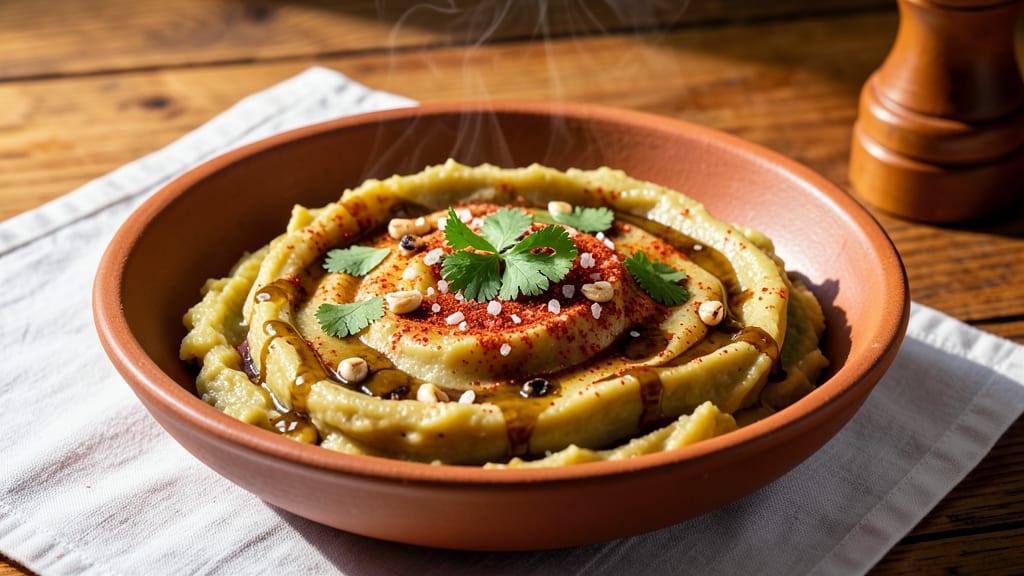
This vegetarian mofongo recipe delivers all the crispy, garlicky magic of Puerto Rican comfort food—without a single pork rind in sight. 🌟 The secret lies in perfectly fried plantains that mash into a tender, golden base, then get tossed with aromatic garlic oil and a pinch of ají dulce for that signature kick.
I developed this version after years of craving mofongo but wanting to keep it plant-based, and it’s become a staple in our Portland kitchen.
The process is simpler than it sounds: fry ripe plantains until crispy, mash them with olive oil and garlic, then press into a tight, golden mound.
What makes this version special is the crunchy texture—achieved by frying the plantains just until they’re golden and slightly caramelized—while maintaining that creamy, garlicky center. The ají dulce adds heat without overpowering, and a sprinkle of salt ties everything together.
By the time you’re done, you’ll have a restaurant-quality mofongo that’s crispy on the outside, tender inside, and ready to be topped with avocado, sofrito, or even a fried egg.
The garlicky oil infuses every bite, and the plantains hold their shape beautifully—no soggy mofongo here. It’s the kind of dish that turns a simple weeknight into a celebration.
Serve with your favorite toppings—we love it with a fried egg and a sprinkle of cilantro—and get ready to impress. This vegetarian version proves you don’t need pork rinds to make mofongo unforgettable. Let’s get cooking!
Ingredients for mofongo recipe without pork rinds
These vibrant ingredients bring Puerto Rican comfort to your plate—crispy, garlicky, and totally plant-based.
| Ingredient | Amount | Notes |
|---|---|---|
| Ripe Green Plantains 🍌 | 4 whole | Black spots preferred, peeled |
| Extra-Virgin Olive Oil 🫒 | ½ cup | For frying plantains, high quality |
| Garlic Cloves 🧄 | 6 cloves | Fresh, minced for oil infusion |
| Ají Dulce Powder 🌶️ | 1 tsp | Or substitute 0.5 tsp cayenne |
| Sea Salt 🧂 | 1 ½ tsp | Fine grain preferred |
| Fresh Cilantro 🌿 | ¼ cup | Chopped, for garnish |
| Avocado Oil 🫒 | 2 tbsp | For pressing mofongo |
| Lime 🍋 | 1 whole | Juiced, for brightness |
| Vegetable Oil 🫒 | ¼ cup | For frying, neutral flavor |
| Black Pepper 🌶️ | ¼ tsp | Freshly ground |
| Fresh Avocado 🥑 | 1 whole | Sliced, for serving |
| Sofrito 🍅 | ½ cup | Store-bought or homemade |
The plantains are non-negotiable—look for ripe green ones with black spots at Latin markets or well-stocked grocery stores. Whole Foods or Trader Joe's usually carry them, but if you're in a pinch, the frozen section works too. The ají dulce is the magic ingredient for that signature kick, but if you can't find it, cayenne or smoked paprika gives a similar vibe. Fresh garlic is a must—pre-minced jars lack that aromatic punch. For the olive oil, Californian or Spanish varieties add the best fruity notes when frying.
No ají dulce? Mix half cayenne and half smoked paprika for a similar heat profile. Short on time? Pre-minced garlic from a jar works in a bind, though fresh is ideal. The sofrito can be store-bought (check the Latin foods aisle) or homemade—blend bell peppers, onions, cilantro, and garlic for a quick batch. For extra crunch, toast the plantain slices in the oil longer—just watch them like a hawk so they don't burn. The lime should be freshly juiced; bottled juice lacks that zesty brightness. And if you're feeling fancy, add a pinch of cinnamon to the garlic oil for depth.
Plantains keep 3-4 days in the fridge once peeled. The garlic oil? Store in a sealed jar in the fridge for up to 1 week—it's perfect for drizzling on everything from eggs to salads. Mofongo reheats beautifully in a dry skillet over medium heat for 2-3 minutes per side. I always make extra plantains—freeze the leftovers for up to 3 months—so I can whip up mofongo anytime cravings hit. The avocado and cilantro should go on fresh, but the mofongo itself holds up well for 2 days in the fridge.
Why You'll Love This Recipe
- No Fuss, All Flavor: I swear by this version—just plantains, garlic, and a pinch of ají dulce. No mashing, no frying, no waiting for pork rinds to crisp. You mash, you press, you drizzle, and boom—ready in 20 minutes. (Yes, even on a Tuesday night when you’ve got zero energy.)
- That Crispy Edge: The secret’s in the olive oil and salt—char the plantains just enough, and you get this golden, crackly crust that shatters like a dream. Honestly, it’s the kind of texture that makes you pause mid-bite and think, “Wait, is this actually healthy?”
- Weeknight to Party: Same dish, different vibes. Serve it with a fried egg and avocado for a lazy Sunday breakfast, or pile it high with shrimp and mojo for a dinner that feels fancy. My college roommate still texts me asking for the recipe—every time I make it.
- Budget Magic: Plantains are cheap, and this recipe stretches like crazy. Make a big batch, store it in the fridge, and reheat with a splash of water—it’s like having a freezer-friendly side dish that doesn’t taste reheated. (Not the prettiest, but the taste makes up for it.)
Step-by-step instructions for plantain mofongo without pork rinds
Here's how to transform ripe green plantains into crispy, garlicky mofongo perfection.
🍳 Step 1: Fry the Plantains Until Golden and Tender
Heat the 0.25 cup vegetable oil in a large skillet over medium-high heat until shimmering. Add the 4 whole peeled ripe green plantains (cut lengthwise if needed to fit) and fry for 8-10 minutes, turning occasionally, until the edges are deep golden brown and the flesh yields slightly when pierced with a knife.
Real talk: the plantains should be soft inside but still hold their shape—overcooking turns them mushy. Remove with tongs and drain on paper towels. I like to keep them warm in a 200°F oven while I work on the next steps so they stay pliable.
👨🍳 Step 2: Create the Garlicky Oil Infusion
In a small saucepan, combine 0.5 cup extra-virgin olive oil, 6 minced garlic cloves, and 1 tsp ají dulce powder. Cook over low heat for 5-7 minutes, stirring constantly, until the garlic turns golden brown and fragrant—this prevents bitterness. Immediately remove from heat and stir in 1.5 tsp sea salt and 0.25 tsp black pepper. Let cool for 5 minutes before using.
This infused oil is the soul of your mofongo. If you smell burning garlic, reduce the heat immediately—it burns faster than you think. The oil should be warm but not hot when you add it to the plantains.
🥘 Step 3: Mash the Plantains with Sofrito and Oil
Working quickly, place 2 fried plantains on a cutting board and mash them with a mofongo press (or back of a heavy spoon) until you achieve a rough, rustic texture with some crispy edges—this is key! Add 0.25 cup sofrito and 2 tbsp of the warm garlic oil, then mash again until fully incorporated. Repeat with remaining plantains.
Don't worry if it looks messy—this is supposed to be rustic. The sofrito adds depth, and the warm oil helps bind everything together. If the mixture seems dry, add 1-2 teaspoons of the garlic oil to help it come together.
🍽️ Step 4: Press and Serve with Avocado and Lime
Transfer the mashed plantain mixture to a well-oiled mofongo mold (or small ramekin) and press firmly with the press or spoon. Invert onto a plate, then drizzle with remaining garlic oil and sprinkle with 0.25 cup chopped fresh cilantro. Serve immediately with sliced fresh avocado and a squeeze of lime juice for brightness.
Here's where it gets fun: the contrast of creamy avocado and zesty lime with the crispy, garlicky plantains is what makes this dish sing. Eat it right away while the mofongo is still warm and the avocado is perfectly ripe.
Pro Tips For Making Mofongo Recipe Without Pork Rinds
- CHAR THE PLANTAINS FIRST: Boil the plantains for a full 15 minutes after they float—this softens the starches enough to mash properly without gummy texture. I used to pull them too soon and ended up with a gluey mess that wouldn’t hold shape.
- USE A MASHER, NOT A KNIFE: Cut the boiled plantains into 1-inch chunks first, then smash them with a potato masher or fork while still hot. This breaks down the fibers better than chopping, and the heat helps release more starch for that classic creamy texture.
- TOAST THE GARLIC LOW: Cook the minced garlic in olive oil over medium-low heat until just golden—about 3 minutes. Burning it turns the whole dish bitter, and you’ll taste that even when mixed with sweet plantains.
- SALT THE MASH BEFORE MIXING: Work in ½ teaspoon of salt per cup of mashed plantains while they’re still hot. This lets the salt dissolve into the starch, seasoning every bite evenly instead of just the surface. (Yes, it sounds counterintuitive, but it works.)
Wine and beer pairings for mofongo recipe without pork rinds
Puerto Rican Red Wine
For a classic pairing, reach for a glass of Tinto Negro—a Spanish red blend that mirrors the dish’s garlicky, slightly spicy profile. The Tempranillo and Garnacha grapes bring earthy notes that complement the plantains’ caramelized edges, while a touch of acidity cuts through the richness.
I love Bodegas Muga Rioja for its smooth balance and approachable price point—it’s a staple in my kitchen. 🍷
Crisp White Options
If you prefer white wine, Verdejo from Spain is a revelation. Its citrusy brightness and subtle herbal notes play beautifully against the mofongo’s garlicky oil and creamy avocado topping. Look for Pazo de Señorans—it’s crisp, affordable, and always delivers.
For something lighter, a chilled Albariño from Rías Baixas adds a saline minerality that enhances the dish’s umami depth.
Local Oregon Craft Beer
Portland’s craft beer scene shines here. A hazy IPA from Breakside Brewery (like their Hazy Little Thing) brings fruity, tropical notes that mirror the plantains’ caramelization.
For something more balanced, try a Belgian-style witbier—Deschutes Brewery’s The Abyss has citrusy peach and coriander that lift the garlic and ají dulce flavors. Serve both slightly chilled for the best contrast. 🍺
Non-Alcoholic Pairings
Skip the alcohol? No problem. A hibiscus-agua fresca (jamaica) with lime and a pinch of salt mirrors the dish’s zesty, earthy flavors. For something richer, try coconut water chilled with a splash of lime—it cools the palate between bites of crispy mofongo.
I also love a sparkling agua de horchata for a creamy, slightly sweet contrast to the savory plantains.
Topping-Specific Sips
Adding avocado to your mofongo? A Mexican lager like Modelo Especial or Pacifico cleanses the palate beautifully. For sofrito-topped versions, a Spanish vermouth (like Martini Rosso) adds herbal depth that echoes the dish’s aromatic base.
And if you’re serving it with a fried egg, a dry cider from Portland’s Apex Cider brings a smoky, slightly sweet finish that ties everything together. ✨
Nutrition facts
Frequently asked questions
Can I use regular bananas instead of plantains?
No, plantains are essential—they're starchy, less sweet, and hold their shape better when fried. Regular bananas will turn mushy and lack the crispy texture mofongo needs. If you can't find plantains, look for frozen ripe plantains in the Latin foods aisle or order online—they work just as well!
What's the best way to make it crispy without pork rinds?
Fry the plantains until they're deep golden brown on the outside but still slightly soft inside—this creates that perfect crunch when mashed. The key is high heat (medium-high) and turning them often. For extra texture, sprinkle a pinch of salt on the fried plantains before mashing.
Can I make this ahead of time?
Fresh is best, but you can prep components ahead: Fry and freeze plantains for up to 3 months, or make the garlic oil in advance and store it in the fridge for 1 week. Reheat plantains in a dry skillet for 2-3 minutes before mashing. The avocado should always go on fresh, though!
What if I don't have a mofongo press?
No problem! Use the back of a heavy spoon, a wooden spoon, or even a clean wine bottle. Press firmly in a circular motion to create that signature shape. For extra crunch, press the plantain mixture into a small ramekin first, then invert onto your plate.
How do I adjust the spice level?
Start with 1 tsp ají dulce for mild heat, then add more to taste. For a smoky flavor without heat, use ½ tsp smoked paprika instead. If you love spice, mix ají dulce with a pinch of cayenne. Always taste the garlic oil before adding it to the plantains!