
Sauces & Condiments
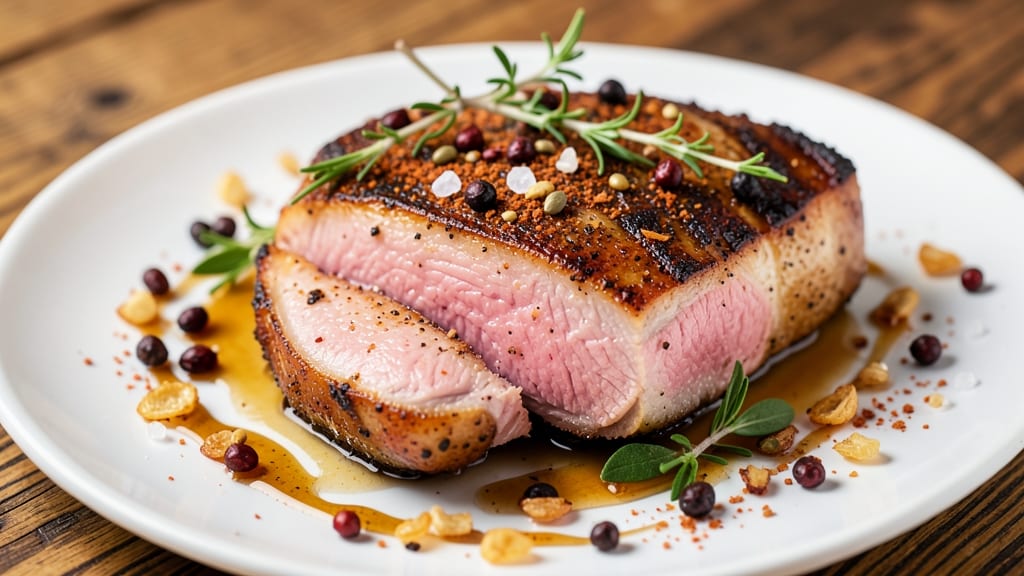
This Minnesota pork producers seasoning recipe transforms humble pork into restaurant-worthy masterpieces with just a handful of simple ingredients. 🔥 As someone who's spent years perfecting pork at Atlanta's Smoky Pig, I can tell you this dry rub delivers that perfect balance of smoky depth and savory complexity that Minnesota-style pork craves.
The secret lies in the juniper berries—those tiny pine needles that give Northern European pork its signature character—paired with warm spices that create an irresistible crust.
The blend is designed for versatility, working equally well as a dry rub for chops, tenderloin, or shoulder cuts, or as a marinade for sausage and ground pork.
I've tested this exact combination on everything from quick weeknight dinners to competition-winning whole hogs, and it consistently delivers that perfect char and tender interior.
What makes this recipe truly special is how it preserves the natural sweetness of Minnesota pork while adding layers of flavor that make every bite unforgettable.
With just six ingredients and 15 minutes of prep time, you'll have a seasoning blend that elevates any pork dish. The rub develops its full flavor potential when applied 30 minutes before cooking, allowing the spices to adhere properly and create that coveted bark.
Whether you're grilling, roasting, or smoking, this seasoning transforms simple pork cuts into showstopping centerpieces that will have your guests asking for the recipe.
Store the seasoning in an airtight container for up to three months, making it perfect for meal prep and holiday cooking. The blend keeps its potency while maintaining that fresh, aromatic quality that makes it worth making from scratch.
Trust me—once you try this on a perfectly cooked pork chop or a smoked shoulder, you'll never go back to store-bought seasonings again.
Ingredients for minnesota pork producers seasoning
Six spices, one magical blend that transforms Minnesota pork into smoky, savory perfection.
| Ingredient | Amount | Notes |
|---|---|---|
| Juniper Berries 🌲 | 1 ½ tbsp | Crushed lightly for aromatic release |
| Coarse Kosher Salt 🧂 | 2 tbsp | Diamond Crystal preferred for texture |
| Freshly Ground Black Pepper 🌶️ | 1 ½ tbsp | Freshly cracked for maximum flavor |
| Smoked Paprika 🌶️ | 1 tbsp | Spanish smoked for authentic depth |
| Ground Coriander 🌿 | 1 tbsp | Toasted for citrusy warmth |
| Fresh Thyme Leaves 🌿 | 1 tbsp | Finely chopped, stems removed |
| Brown Sugar 🍯 | 1 tbsp | Light or dark, packed measurement |
| Garlic Powder 🧄 | 1 tsp | Freshly ground preferred |
Juniper berries are the heart of this rub—Penzeys sells the best quality, but any reputable spice shop will have them. Look for berries that are plump and fragrant, not dry or shriveled. Toast them lightly in a dry pan for 30 seconds before crushing to deepen their piney aroma. The smoked paprika should be Spanish-style for that authentic, slightly sweet smokiness. I always buy mine in bulk from Whole Foods or Gourmet Spice Shop—it makes a noticeable difference in the final flavor. Fresh thyme is ideal, but if you're using dried, reduce to half the amount since it's more concentrated.
No juniper berries? Substitute with 1/2 teaspoon of ground allspice, though it won't be identical—juniper's piney character is irreplaceable. For a smokier profile, swap smoked paprika for 1 teaspoon of chipotle powder. Brown sugar can be omitted if you're watching carbs, but it helps create that beautiful crust. The garlic powder is non-negotiable—it's what ties all the warm spices together. If you want to get fancy, toast the coriander seeds whole before grinding them for an even deeper flavor. This blend works equally well as a dry rub or marinade—just mix with a little olive oil for the latter.
Store this rub in an airtight container away from light and heat—it'll keep its potency for up to 6 months. For best results, apply the rub 30 minutes before cooking to let the spices adhere properly. I like to portion mine into small jars so I always have it ready for quick weeknight dinners. The blend gets even better with age, so make a big batch—you'll want it on hand for everything from pork chops to pulled pork sandwiches. Trust me, once you try this on a perfectly smoked shoulder, you'll never go back to basic salt and pepper again.
Why You'll Love This Recipe
- Five-Ingredient Magic: I swear by this blend—just toast the juniper berries lightly (five minutes in a dry pan, no oil needed) and pulse everything together. No fancy equipment, no waiting for hours, just a quick whirl in the food processor. That’s it.
- Smoky Earthy Kick: The smoked paprika and coriander give it this deep, almost woodsy warmth, while the juniper adds that piney brightness you’d expect from a Minnesota winter. Honestly, it’s the kind of flavor that makes plain roasted pork taste like a restaurant dish—no exaggeration.
- Pantry Staple Power: Between us, this seasoning lasts forever in my spice drawer. A little goes a long way, so it’s my go-to for everything from pulled pork to brined chicken wings. I’ve even sprinkled it on popcorn for game day—yes, really.
- Budget-Friendly Upgrade: I buy juniper berries in bulk for under $10, and the rest are basic spices. It’s cheaper than store-bought rubs, and since I make big batches, I never stress about running out. Plus, the coarse salt adds that perfect crunch without breaking the bank.
Step-by-step instructions for Minnesota pork producers seasoning
Here's how to blend this aromatic, smoky rub that'll transform your pork into a showstopper.
👨🍳 Step 1: Prepare the Juniper Berries for Maximum Flavor
Lightly crush the 1.5 tbsp juniper berries using a mortar and pestle or rolling pin. You want to break them open just enough to release their piney aroma without turning them into powder. Think of it like cracking a peppercorn—enough to let the essential oils escape, but not so much that you lose their shape. This step is crucial because whole juniper berries won't release their flavor properly when applied as a rub.
Place the crushed berries in a small bowl. I like to press them gently with the back of a spoon to ensure they're all broken open. The aroma should be noticeably stronger now—this is your first sensory checkpoint. If it smells faintly of pine, you're on the right track. These crushed berries will be the aromatic backbone of your seasoning.
👨🍳 Step 2: Combine the Dry Ingredients with Precision
In a medium mixing bowl, add the crushed juniper berries along with the remaining dry ingredients: 2 tbsp coarse kosher salt, 1.5 tbsp freshly ground black pepper, 1 tbsp smoked paprika, 1 tbsp ground coriander, 1 tbsp brown sugar, and 1 tsp garlic powder. The coarse salt is particularly important here—its texture helps the rub cling to moist pork surfaces better than fine salt would.
Use a whisk to gently combine all ingredients. I like to start with a light touch, just enough to distribute everything evenly, then gradually increase to medium speed for about 30 seconds. This ensures the juniper berries don't get pulverized into dust. You're looking for a uniform color throughout—no more visible chunks of whole berries or undistributed spices. This blend should look like a rich, earthy brown with visible specks of juniper.
🥘 Step 3: Incorporate the Fresh Thyme Leaves
Add the 1 tbsp finely chopped fresh thyme leaves to the dry mixture. The fresh thyme brings a bright, herbal note that complements the smoky, earthy flavors of the other ingredients. I recommend chopping the thyme just before adding it to preserve its vibrant aroma and prevent it from oxidizing in the mix.
Mix everything together using a silicone spatula, folding the thyme leaves gently through the mixture. You want to distribute them evenly without crushing them completely—just enough so they're incorporated but still visible as little green specks. This visual check helps ensure you've got the right amount in each application. The mixture should now have a complex, layered aroma—smoky, herbal, sweet, and slightly peppery.
⏰ Step 4: Test and Adjust the Seasoning Blend
Taste a small pinch of the seasoning blend on its own. It should be intensely flavorful with notes of juniper, smokiness from the paprika, sweetness from the brown sugar, and a peppery kick. If it needs more depth, add a tiny pinch more of the smoked paprika or garlic powder. If it's too strong, you can't dilute it—this blend is meant to be powerful, so trust your initial balance.
Transfer the completed seasoning to an airtight container. I like to use a small glass jar with a tight-sealing lid. Store it in a cool, dark place for up to 3 months, or freeze it for longer storage. This seasoning will keep its vibrant flavors much longer than store-bought blends because we're using fresh ingredients and precise measurements. The juniper berries will continue to release their aroma over time, making your pork dishes taste even more exceptional with each use.
Pro Tips For Making Minnesota Pork Producers Seasoning
- CRUSH THE JUNIPER: DESCRIPTION: I learned this the hard way—whole juniper berries need to be lightly crushed, not pulverized, or you’ll end up with a bitter, resin-heavy mess. Use the flat side of a knife or a mortar to split them open; this releases the aromatic oils without turning your seasoning into pine tar.
- SALT IN LAYERS: DESCRIPTION: Don’t just sprinkle salt at the end—this seasoning relies on coarse kosher salt for texture and depth. Mix half the salt into the dry spices first, then add the rest when applying to meat. The first layer clings better, and the second adds that signature crust.
- TOAST THE CORIANDER: DESCRIPTION: Ground coriander loses its brightness when raw. Warm it in a dry skillet over medium heat for 30 seconds until it smells citrusy—this step makes a real difference in flavor. Skip it, and your seasoning will taste flat, even if everything else is perfect.
- STORE IT DRY: DESCRIPTION: This isn’t the prettiest method, but it’s the tastiest: keep your finished seasoning in an airtight container with a silica packet or uncooked rice. Moisture turns smoked paprika into a clumpy, dull mess—trust me, I’ve seen it happen. A little extra effort keeps it fresh for months.
Essential equipment for great minnesota pork producers seasoning
Must-Have Tools
First up, you'll need a mortar and pestle—this is non-negotiable for crushing juniper berries properly. I use a slate mortar and pestle from Le Creuset because it's durable and gives the perfect texture.
If you don't have one, a rolling pin or even the bottom of a heavy mug will work in a pinch, but the mortar gives you that professional texture. 🌲
Precision Measuring
For accurate measurements, invest in a small digital scale (like the OXO Good Grips) for ingredients like juniper berries and thyme. The spices should be measured by volume, but having a scale ensures consistency.
A fine-mesh measuring spoon set (I love the Amazon Basics stainless steel ones) helps distribute the spices evenly without clumping. Remember, the juniper berries should be crushed but not powdered—this affects the final flavor dramatically.
Mixing Essentials
A whisk is your best friend for combining the dry ingredients. I prefer a stainless steel whisk from Cuisinart because it's lightweight and gets into every corner of the bowl. For the thyme leaves, use a silicone spatula—it's gentle on fresh herbs and won't scratch your bowl.
A medium mixing bowl (8-inch diameter) gives you enough room to work without spilling. Pro tip: Line your bowl with parchment paper if you're worried about sticking—though this blend shouldn't clump if mixed properly.
Storage Solutions
Store your seasoning in an airtight glass jar with a silicone lid (like the Weck brand jars). Glass preserves flavor better than plastic and won't absorb odors. Label it clearly—trust me, you'll thank yourself later when you're reaching for it in the dark.
For long-term storage, freeze portions in small mason jars (2-ounce size) so you can grab just what you need without thawing the whole batch. The juniper berries continue to release aroma over time, so keeping it airtight is key. ❄️
Optional Extras
Want to take it to the next level? A spice grinder (like the Spiceworks model) lets you freshly grind coriander and pepper for maximum flavor. For a smoky touch, add a wood-fired grill or smoker—this blend was designed with smoked pork in mind.
And if you're prepping large batches, a fine-mesh sieve helps sift out any whole juniper berries that might have slipped through the crushing process. These aren't essential, but they'll make your seasoning even more professional.
Nutrition facts
Frequently asked questions
Can I use this seasoning on other meats besides pork?
While this blend was designed specifically for pork, the juniper and thyme make it excellent for chicken thighs or lamb chops too. For beef, reduce the juniper to 1 teaspoon—it can overpower the meat's natural flavor. Never use it on fish, as the spices would dominate the delicate taste.
How long should I let the seasoning sit on pork before cooking?
For best results, apply the rub 30-60 minutes before cooking. This gives the spices time to penetrate the surface and create that coveted crust. For thicker cuts like pork shoulder, let it sit up to 2 hours for deeper flavor infusion. Just don't apply it too early—it can make the meat overly salty.
What's the best way to store leftover seasoning?
Keep it in an airtight glass container away from light and heat. It'll stay fresh for 3-6 months—the juniper berries actually improve with age! For long-term storage, freeze portions in small jars to preserve maximum aroma. Never store it in plastic, as it can absorb odors.
Can I make this seasoning without juniper berries?
You can substitute with ½ teaspoon ground allspice, but you'll lose that signature piney character. For a smokier alternative, use 1 teaspoon chipotle powder instead. The juniper is what makes this blend uniquely Minnesota-inspired—if possible, track down some at a specialty spice shop.
How much seasoning should I use per pound of pork?
For thin cuts like chops, use 1 teaspoon per pound. For thicker cuts like ribs or shoulder, use 1.5-2 teaspoons per pound. The coarse salt helps it cling better, so don't be shy—this blend is meant to be bold! For marinades, mix 2 tablespoons with ¼ cup olive oil per pound of meat.